Taiwo Hassan Ogogo: 10 things you may not know about late Nollywood actor
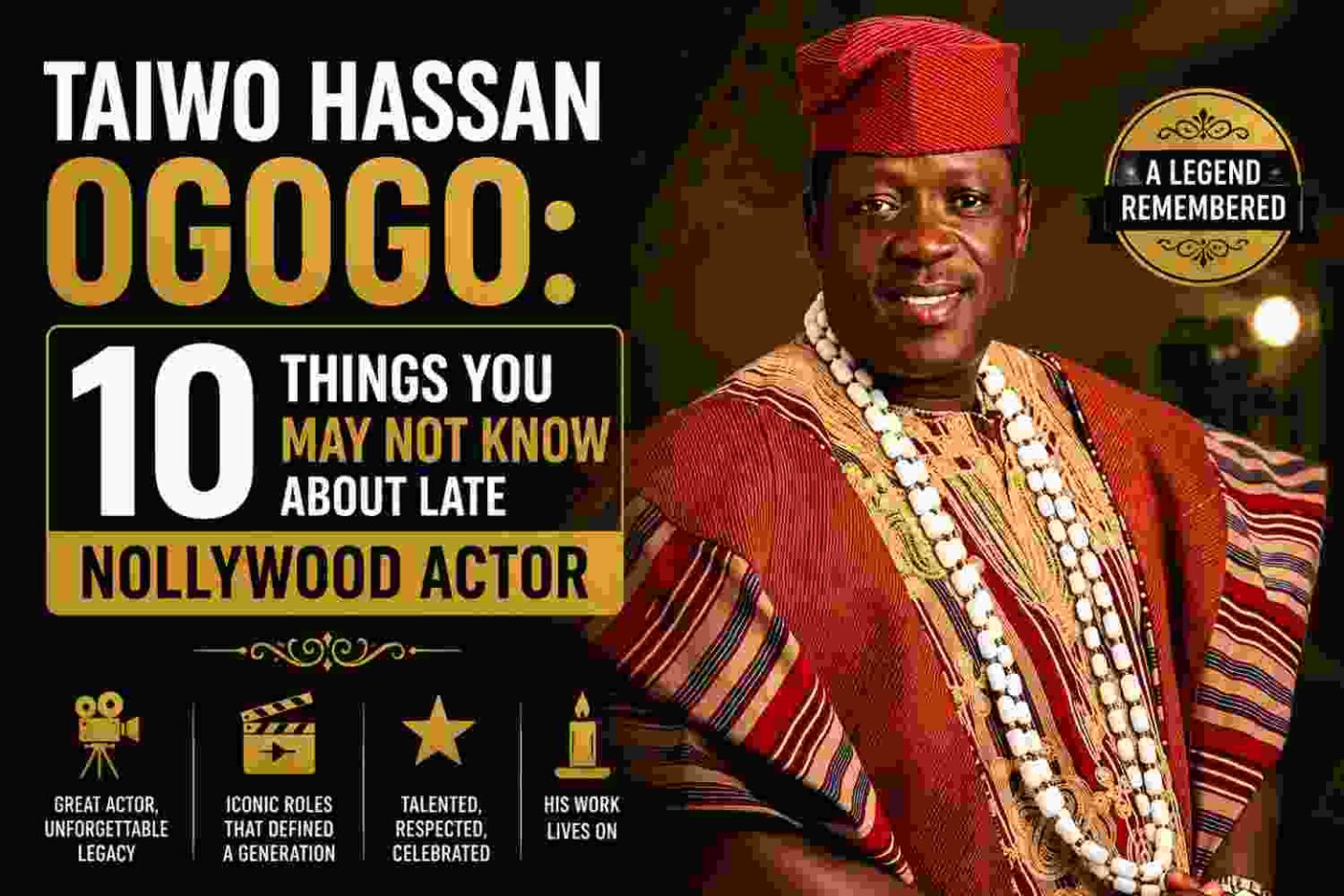
Veteran Nollywood actor Taiwo Hassan, often known as Ogogo, died on Sunday at the age of 66 from cancer.
His daughter, Kira Taiwo, confirmed his death on a live broadcast, breaking down in sobs and saying, “My daddy is dead.”
Stay updated: Set GistReel as a favorite source on Google to catch our stories first.
The confirmation came five days after the family rejected an earlier allegation of his death as untrue.
Here are 10 things you should know about the late actor. Read his full biography here
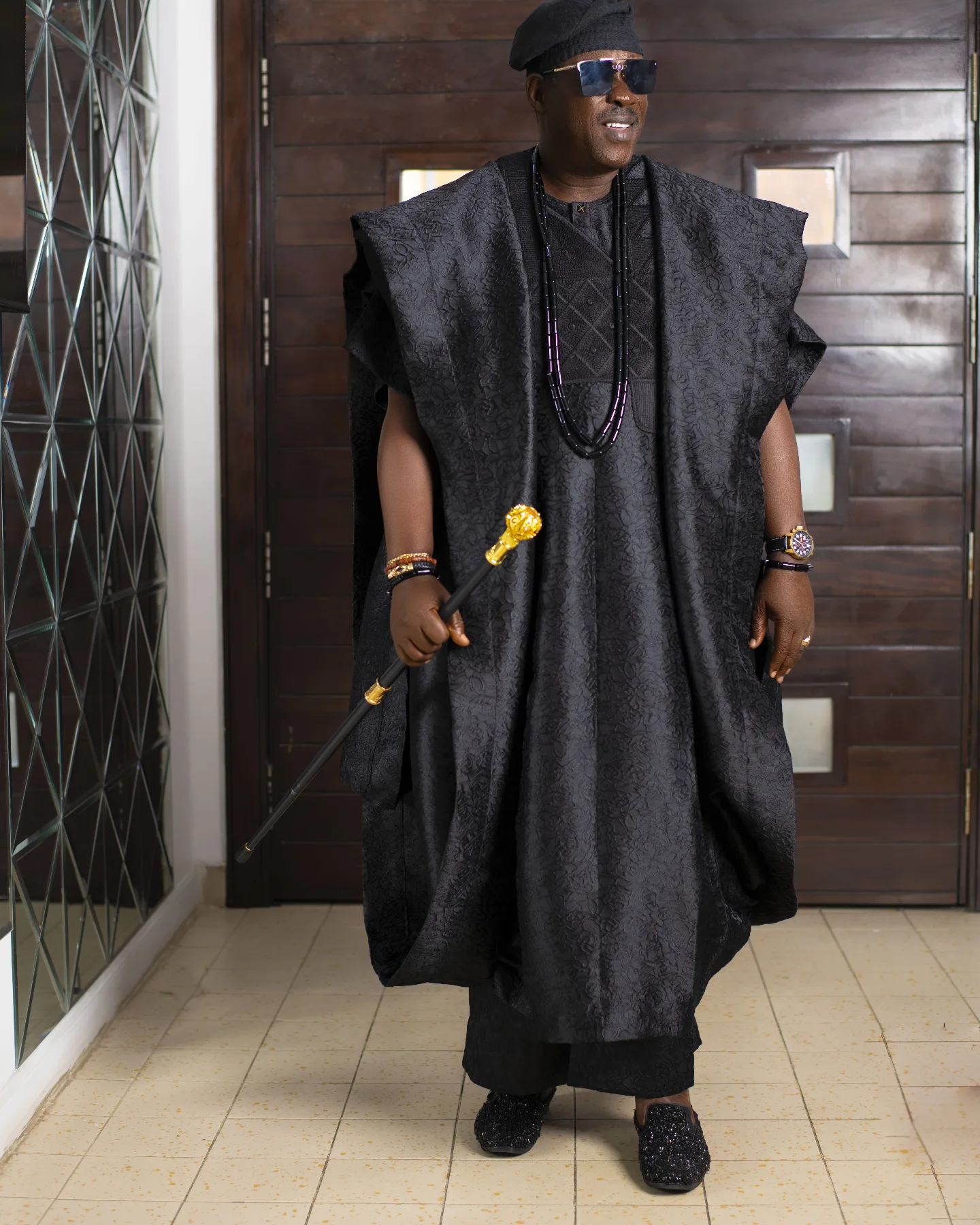
1. He was born in Ogun State.
Taiwo Hassan was born on October 31, 1959, in Ilaro, Ogun State.




He spent his early years in the town before relocating to Lagos, where he continued his education, learned a trade, and eventually established an acting career.
2. Ogogo gained greater popularity than his real name.
Although his real name was Taiwo Hassan, many Nigerians just called him Ogogo.
The name became inextricably linked to his cinematic persona and accompanied him throughout his career.
For many Yoruba film fans, the word Ogogo evoked memories of family dramas, traditional legends, and moral problems.
3. He worked as a car mechanic.
Before becoming a full-time actor, Hassan studied and worked as an automobile mechanic.
He apparently worked for the Lagos State Water Corporation for around 13 years.
His path demonstrated that his success in Nollywood did not occur suddenly. He worked for the government while also acting for several years before turning to cinema as his primary profession.
4. He started performing in 1981.
Ogogo began his acting career in 1981, while still employed as a mechanic.
He learned through actual theater experience and eventually became a part of the burgeoning Yoruba cinema industry.
His career lasted more than four decades, making him one of the longest-serving actors of his period.
5. He quit his government post in 1994.
After years of juggling performing and employment at the water corporation, Hassan resigned from his government position in 1994.
The decision allowed him to concentrate solely on performing.
It also came at a critical time in Nollywood, when home videos were gaining popularity across Nigeria.
6. Ogogo was also a producer, director, and screenwriter.
His job behind the camera allowed him to contribute at many phases of film production.
He also shaped stories about Yoruba culture, family life, leadership, tradition, and social responsibility.
7. He performed in various memorable productions.
Throughout his career, the actor appeared in several Yoruba and English-language films.
Among his major productions are Owo Blow, Agbelebu, Omo Ghetto, Omin, Tenant of the House, Bank Alert, and Aníkúlápó.
In Aníkúlápó, he portrayed Alaafin Ademuyiwa alongside Kunle Remi, Bimbo Ademoye, Sola Sobowale, Adebayo Salami, and Yinka Quadri.
8. ‘Aníkúlápó’ introduced him to a younger audience.
Ogogo’s appearance in Kunle Afolayan’s Aníkúlápó exposed his work to a younger and larger audience.
The Netflix production is one of the most talked-about Nigerian films of 2022.
His performance landed him a nomination for Best Supporting Actor at the 2023 Africa Magic Viewers’ Choice Awards. According to The Guardian, the film has gotten 16 nominations.
9. He is from a family with a history of twins.
Hassan once said that his mother had given birth to four pairs of twins, and he was the only one who survived.
The actor also made strong statements about fatherhood and parental responsibility.
He believed that men could not forever avoid their responsibility to their offspring.
10. His dying days raised widespread anxiety.
Kira and her sister, Haleemah, revealed just days before his death that their father was suffering from stage four cancer.
They asked hospitals, professionals, and anybody with information about potential treatment options to assist the family.
The sisters clarified that their request was for medical assistance rather than financial gifts.
Concerns over Hassan’s condition prompted other Nollywood actors to hold a special prayer session for him.
He died on Sunday, August 23, 2026, leaving behind a career that influenced current Yoruba cinema.