The History of the FIFA World Cup Trophy: From Jules Rimet’s Stolen Cup to a Modern Icon
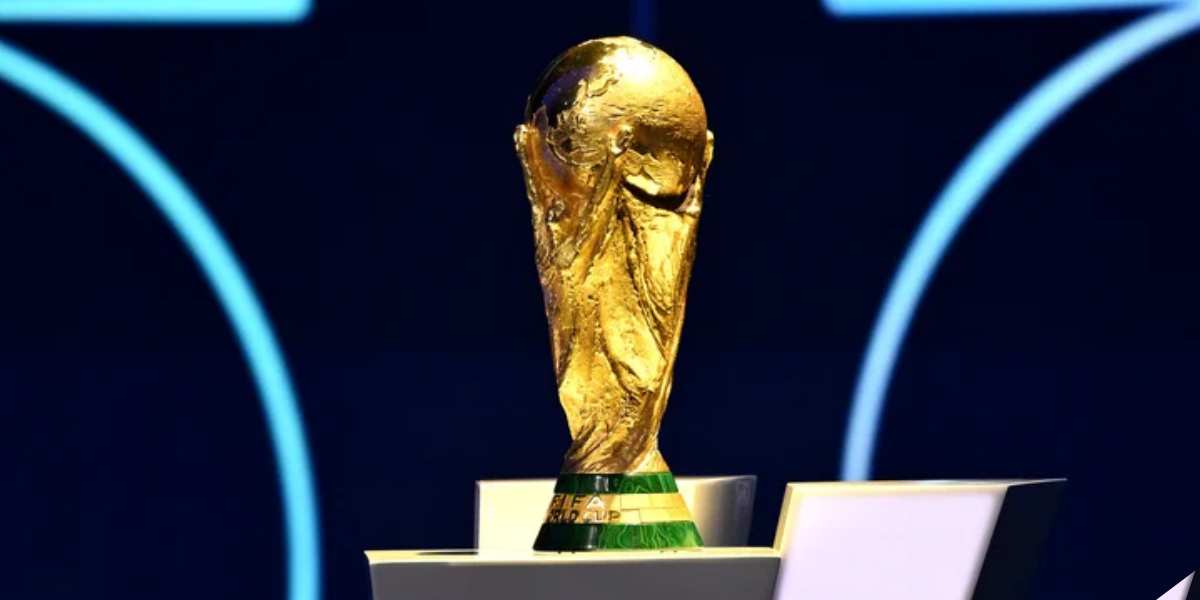
 There are few objects in sport that can turn grown men into children. The FIFA World Cup trophy is one of them. Every four years, footballers who have spent their lives chasing glory reach for the same golden prize, while millions watch, knowing that the image of a captain lifting it above his head can become one of the defining photographs of a generation.
Yet the trophy has a history almost as dramatic as the tournament itself. It has travelled between continents, been hidden from the Nazis, been stolen twice, rescued by a dog and, eventually, disappeared for good. The object that modern champions lift is not the same trophy that Bobby Moore raised at Wembley in 1966, but its story is inseparable from the cup that came before it.
Stay updated: Set GistReel as a favorite source on Google to catch our stories first.
The first World Cup and the Jules Rimet Trophy
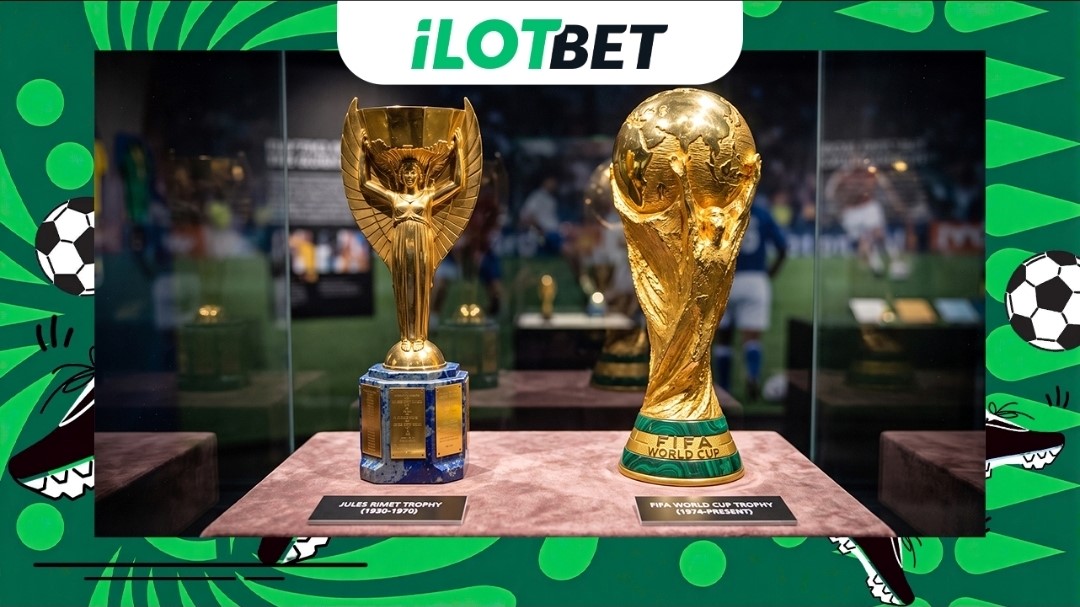
When FIFA staged the inaugural World Cup in Uruguay in 1930, the tournament needed a prize worthy of its ambitions. The organisation’s president, Jules Rimet, was one of the driving forces behind the creation of the competition, and the original trophy was initially known as the Victory trophy before becoming the Jules Rimet Trophy in his honour.
Designed by French sculptor Abel Lafleur, the trophy depicted Nike, the Greek goddess of victory, standing on a base. It was a very different object from the sleek golden globe familiar today, but it immediately acquired an importance that went beyond its material value.



Uruguay became the first nation to lift it after beating Argentina in the 1930 final. Four years later, Italy claimed it, beginning the trophy’s journey through the early history of international football.
But as Europe descended into war, the little golden trophy became more than sporting silverware. It became an object worth protecting.
A trophy hidden from the Nazis
Italy won the World Cup again in 1938, and the trophy eventually found its way back into a Europe consumed by the Second World War. When the Nazis occupied Italy, the trophy was in the hands of FIFA official and Italian football administrator Ottorino Barassi.
Barassi understood that the trophy could be seized or destroyed. He therefore reportedly removed it from a bank safe and hid it inside a shoebox under his bed. There it remained during the war.
It was an extraordinary episode in the trophy’s history. The World Cup itself had disappeared from the calendar, with tournaments cancelled in 1942 and 1946, but the prize survived. The trophy that represented football’s international ambitions had been reduced to something that needed to be concealed from the machinery of war.
When the World Cup returned in 1950, the trophy returned with it.
Brazil begin their love affair with the cup
The Jules Rimet Trophy passed through the hands of several champions before Brazil began what would become the most successful relationship between a nation and the World Cup.
Brazil won their first title in 1958 in Sweden, with the 17-year-old Pelé becoming the tournament’s great revelation. They won again in Chile in 1962 before returning to the summit in Mexico in 1970.
That third triumph was historically significant. Under the original rules, the first country to win the World Cup three times would be allowed to keep the Jules Rimet Trophy permanently.
Brazil had done it.
When captain Carlos Alberto lifted the trophy after Brazil defeated Italy 4-1 in the 1970 final, the Jules Rimet Trophy effectively became Brazilian property. It was a fitting conclusion to the first chapter of the cup’s history.
But the story was not over. In fact, its strangest chapters were still to come.
The theft that made Pickles famous
Four years before Brazil claimed the trophy forever, football’s most famous piece of silverware had already experienced its first brush with criminality.
In March 1966, just months before England hosted the World Cup, the Jules Rimet Trophy was placed on public display at an exhibition at Westminster Central Hall in London. Security was supposed to protect one of the most valuable sporting objects in existence.
It did not.
The trophy was stolen.
The theft triggered a national search and generated enormous embarrassment for the organisers. There were fears that England might have to stage its World Cup without the actual trophy.
Then came one of the strangest rescues in sporting history.
A week after the theft, a man named David Corbett was walking his dog, Pickles, in south London when the black-and-white collie began sniffing around a hedge. Beneath it was a parcel wrapped in newspaper.
Inside was the missing Jules Rimet Trophy.
Pickles became an overnight celebrity. The dog had accomplished what the police had failed to do: find the World Cup.
The episode has since become part of football folklore, but the theft also exposed an uncomfortable truth. The trophy was so valuable and so recognisable that it could not simply be treated like another piece of sporting equipment.
The Football Association took precautions. A replica was secretly commissioned, providing a substitute for public appearances while the original was kept secure.
And, as it turned out, that caution was justified.
Brazil’s trophy disappears forever
Brazil’s third World Cup victory in 1970 meant that the Jules Rimet Trophy no longer needed to travel from champion to champion. It was placed on display at the Brazilian Football Confederation’s headquarters in Rio de Janeiro.
For almost a decade, it remained there.
Then, on 19 December 1983, the trophy was stolen again.
This time there was no Pickles waiting beneath a hedge.
The thieves broke into the CBF headquarters and took the original trophy. Despite an investigation and efforts to recover it, the Jules Rimet Trophy was never found. The prevailing belief is that it was melted down for its gold, although its ultimate fate has never been conclusively established.
And so the original World Cup trophy passed into football mythology.
It had survived a world war. It had been stolen and recovered by a dog. It had been lifted by some of the greatest players of the 20th century. Then, after 53 years of existence, it vanished.
But FIFA had already prepared for a new era.
Enter Silvio Gazzaniga’s masterpiece
Brazil’s permanent possession of the Jules Rimet Trophy created a practical problem: FIFA needed a new prize for the 1974 World Cup.
The organisation received 53 designs from artists in seven countries before selecting the work of Italian sculptor Silvio Gazzaniga.
Gazzaniga’s design was radically different from the old trophy. Rather than depicting a classical figure, it showed two stylised human forms rising upwards in triumph and supporting a globe.
It was an image that seemed tailor-made for the expanding ambitions of the World Cup. The players represented humanity; the globe represented the world they were attempting to conquer.
The trophy was produced in 18-carat gold. It stands 36.8cm tall, weighs 6.175kg and has a base incorporating two bands of malachite.
West Germany became the first team to lift it in 1974, defeating the Netherlands in the final in Munich. The modern World Cup trophy had arrived.
Why nobody can keep it anymore
There is another important difference between the modern trophy and the Jules Rimet Cup.
The current trophy cannot be won outright.
Unlike the old arrangement, in which Brazil earned permanent possession after winning three World Cups, FIFA retains ownership of the modern trophy. Since 2006, the original is presented to the champions during the official ceremony and then retrieved by FIFA, while the winning nation receives an exact replica for its own celebrations and display.
That change is more than a matter of security. It transformed the trophy from something that could eventually belong to one nation into a permanent symbol of the World Cup itself.
The names of the champions are engraved on the underside of its base, creating a growing roll of honour beneath the globe. Each new winner adds another chapter to the object’s story without taking the trophy away from the competition.
More than gold
The physical trophy is surprisingly modest in size considering what it represents. It is not the largest prize in sport, nor the heaviest. Yet its psychological weight is enormous.
Think of the images it has produced: Franz Beckenbauer holding it in 1974, Diego Maradona embracing it in 1986, Zinedine Zidane celebrating France’s triumph in 1998, Iker Casillas lifting it in 2010, Lionel Messi finally holding it aloft in 2022.
Each photograph is different. The trophy is the constant.
That is the remarkable thing about Gazzaniga’s design. Its globe means the trophy does not belong aesthetically to Europe, South America, Africa, Asia or any particular football culture. It belongs to the whole game.
And that is why the trophy has become more than an award. It is a visual shorthand for the highest achievement international football can offer.