Naira to Dollar exchange rate today, Wednesday, July 29, 2026
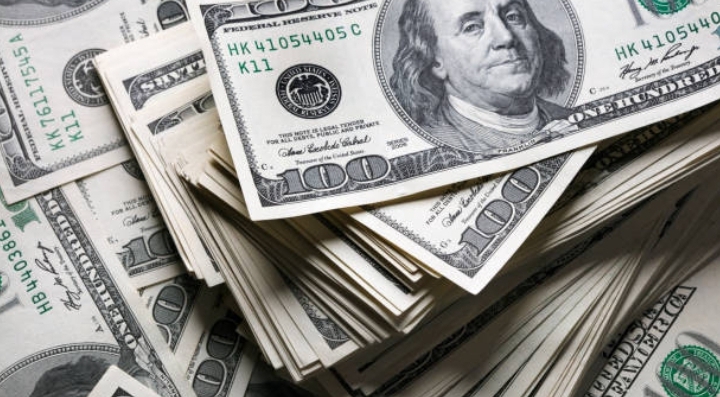
The Nigerian Naira opened trading on Wednesday, July 29, 2026, at an average official exchange rate of ₦1,364.54 per US Dollar, maintaining relative stability against the United States dollar in both the Nigerian Foreign Exchange Market (NFEM) and the parallel market.
The local currency continued to trade within a narrow range as market participants monitored developments in the foreign exchange market.
Stay updated: Set GistReel as a favorite source on Google to catch our stories first.
Traders also remained optimistic that ongoing interventions by the Central Bank of Nigeria (CBN) would help sustain recent gains in exchange rate stability.
Official market records average rate of ₦1,364.54/$
Data from the Nigerian Foreign Exchange Market (NFEM) showed the Naira trading at an average rate of ₦1,364.54 per US Dollar during Wednesday’s early trading session.
In the official market, the Dollar opened at around ₦1,367.00 before easing to approximately ₦1,364.50 in morning transactions.




The movement reflected continued stability in the formal foreign exchange window, where the CBN has maintained efforts to improve liquidity and reduce excessive volatility.
Financial analysts noted that the official market has recorded fewer sharp fluctuations in recent weeks, with improved foreign exchange supply helping to support the local currency.
Parallel market exchange rate
In the parallel market, also known as the black market, Bureau De Change operators and street traders quoted the Dollar at around ₦1,410 for buying and approximately ₦1,425 for selling.
Exchange rates in the informal market continued to differ across locations, depending on transaction size, customer demand, available Dollar supply, and prevailing market conditions.
Despite the difference between both markets, the gap between the official and parallel market rates has remained considerably narrower than in previous months.
CBN policies continue to support market stability
Foreign exchange dealers attributed the improved stability to sustained liquidity injections by the Central Bank of Nigeria and the implementation of tighter monetary policies following recent Monetary Policy Committee (MPC) meetings.
The apex bank’s reforms, including measures aimed at improving transparency in the foreign exchange market and increasing Dollar availability, have continued to influence market confidence.
Market participants believe that consistent policy implementation could further reduce pressure on the Naira if foreign exchange inflows remain strong.
Investors monitor market developments
Importers, exporters, investors, manufacturers, and other foreign exchange users are closely watching global market developments and Nigeria’s external reserves for signals that could influence the direction of the Naira.
Analysts also expect trading activity throughout the day to provide a clearer indication of market sentiment, particularly as businesses continue to demand foreign currency for international transactions.