Naira to Dollar exchange rate today, Thursday, July 30, 2026
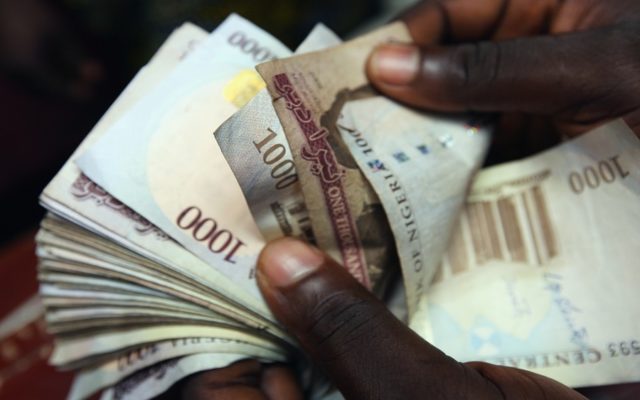
The Nigerian naira traded at an official exchange rate of ₦1,358.63 against the United States Dollar in the Nigerian Foreign Exchange Market (NFEM) on Thursday, July 30, 2026, as the local currency continued to show signs of stability across the country’s foreign exchange market.
Data from the official market showed that spot transactions opened at approximately ₦1,365.69 per dollar before trading within a range of ₦1,356.61 and ₦1,361.25 during the early hours of the session.
Stay updated: Set GistReel as a favorite source on Google to catch our stories first.
The movement reflected relatively low volatility, indicating a balanced market driven by improved foreign exchange supply and steady demand.
Black market rate holds firm
In the parallel market, popularly known as the black market, the US dollar exchanged at about ₦1,400.00, maintaining a level close to recent trading sessions.
Bureau de Change (BDC) operators in major commercial hubs, including Lagos and Abuja, reported stable liquidity with no significant pressure on demand or supply.




Dealers said the market remained calm as buyers and sellers continued to transact within established price ranges.
Analysts point to improved market confidence
The close alignment between the official and parallel market rates continues to reflect growing confidence in Nigeria’s foreign exchange market.
Analysts believe the narrower gap between both markets is a positive sign, suggesting that recent reforms have improved price discovery and reduced opportunities for speculative trading.
They attributed the relative stability to the Central Bank of Nigeria’s sustained monetary policy measures, stronger liquidity management, improved transparency in the foreign exchange market, and healthy external reserves.
Import demand remains a key driver
Despite the stable outlook, traders and corporate buyers remain cautious as demand for foreign exchange continues to be influenced by import activities, international business transactions, school fees, medical payments, and other foreign obligations.
Market participants are expected to keep a close watch on future policy decisions by the Central Bank of Nigeria, global economic developments, and foreign exchange inflows, all of which could influence the direction of the naira in the coming weeks.