Naira to Dollar exchange rate today, Monday, July 27, 2026
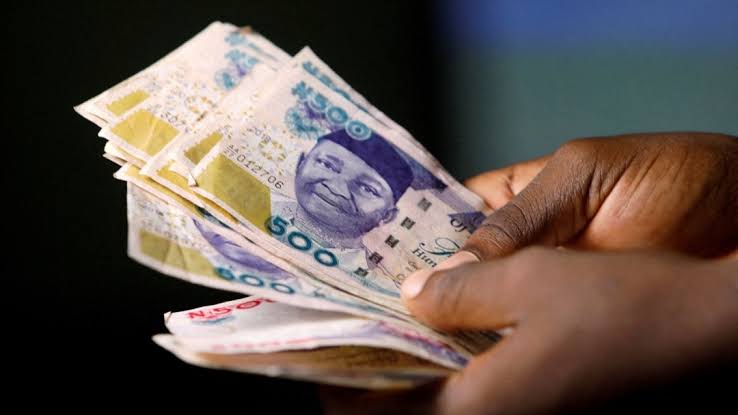
The Nigerian naira traded at ₦1,362.09 per US dollar at the official Nigerian Foreign Exchange Market (NFEM), while the dollar sold for about ₦1,375 in the parallel market as trading opened on Monday, July 27, 2026, reflecting continued stability across both markets.
Latest figures released by the Central Bank of Nigeria (CBN) showed that the naira closed at ₦1,362.09/$1 in the official market on Friday, July 24, the latest trading session available.
The performance suggests the local currency has maintained a relatively steady position despite ongoing global and domestic economic pressures.
Official market records stable trading
CBN data indicated that the highest exchange rate recorded during the session was ₦1,365.00/$1, while the lowest rate stood at ₦1,359.00/$1.
The market eventually settled with a closing rate of ₦1,361.00/$1, highlighting limited fluctuations throughout the trading day.




The narrow movement in exchange rates reflects sustained stability in the official foreign exchange market, where authorities have continued efforts to improve transparency and liquidity.
In the parallel market, popularly known as the black market, currency dealers quoted the US dollar at around ₦1,350 for buying and approximately ₦1,375 for selling on Monday morning.
The gap between the official and parallel market rates remained relatively small, continuing the gradual convergence witnessed in recent months.
Analysts say this trend contrasts with the much wider disparities that existed in previous years, when exchange rate differences often created significant arbitrage opportunities.
CBN reforms continue to support the naira
The Central Bank of Nigeria has sustained a series of foreign exchange reforms designed to improve dollar liquidity, attract investor confidence and enhance stability in the country’s foreign exchange market.
Market observers believe these measures have contributed to reducing volatility and strengthening confidence in the naira, although demand for foreign exchange remains influenced by import requirements, external market conditions and capital inflows.
Adding to the positive outlook, the Monetary Policy Committee (MPC) last week voted to retain the Monetary Policy Rate (MPR) at 26.5 per cent.
The committee cited persistent global economic uncertainties, inflation concerns and the need to preserve macroeconomic stability as reasons for maintaining the benchmark interest rate.
Meanwhile, exchange rates in the parallel market may differ across states and Bureau De Change operators, as prices are largely determined by local demand, foreign currency supply and transaction volumes.