Good news, bad news as Nigeria’s inflation drops to 15.43% but food prices jump to 20.31%
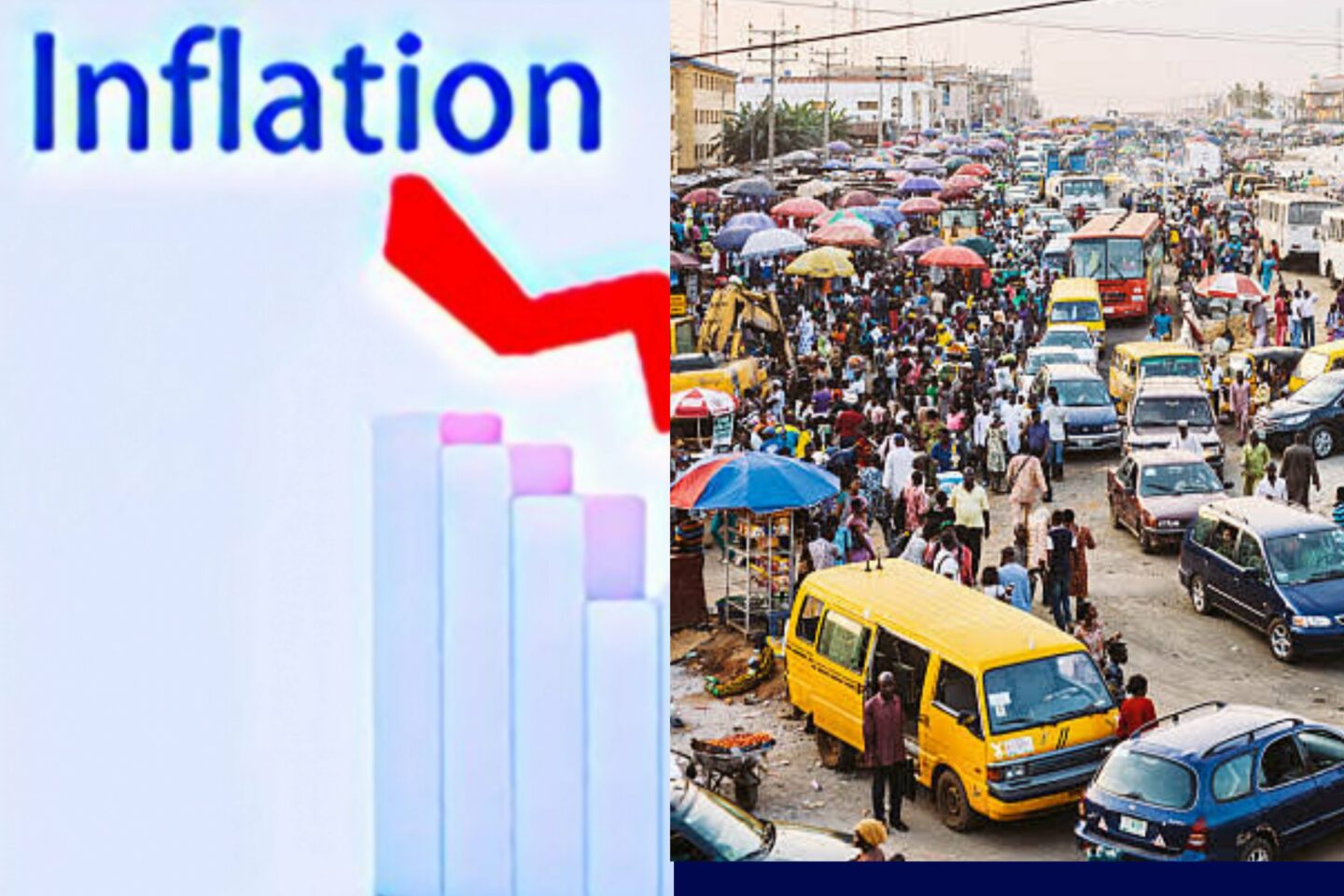
Nigeria’s headline inflation rate has dropped to 15.43 per cent, offering some relief to households and businesses even as rising food prices continue to put pressure on consumers.
The latest Consumer Price Index released by the National Bureau of Statistics (NBS) showed that inflation fell by 48 basis points from 15.91 per cent in June to 15.43 per cent in July 2026.
Stay updated: Set GistReel as a favorite source on Google to catch our stories first.
The decline suggests that the pace at which prices are rising is slowing, although the cost of essential food items remains a major concern for Nigerians.
Food inflation jumps despite overall decline
While headline inflation moderated, food inflation moved in the opposite direction, rising sharply to 20.31 per cent in July from 17.52 per cent in June.
The NBS data showed that prices of commodities including rice, garri, tomatoes, plantain, beef, onions, corn and yam contributed to the increase.




Core inflation also recorded a significant improvement, falling by 94 basis points from 15.92 per cent in June to 14.97 per cent in July.
Analysts said the continued decline in headline and core inflation reflected improving macroeconomic stability, including relative stability in the foreign exchange market.
Analysts warn of continued food price pressure
SCM Capital analysts said inflation could continue to moderate in August if crude oil prices and the exchange rate remain stable.
However, they warned that rising fertiliser costs and possible flood-related disruptions could affect agricultural production and put further pressure on food prices.
Arthur Steven Asset Management similarly noted that persistent inefficiencies in food production and distribution, seasonal factors and transportation costs could continue to push consumer prices higher.
The latest figures therefore present a mixed picture for Nigerians, with overall inflation easing while food prices remain a significant challenge for households.