Russia blocks voice calls on WhatsApp, Telegram over security concerns
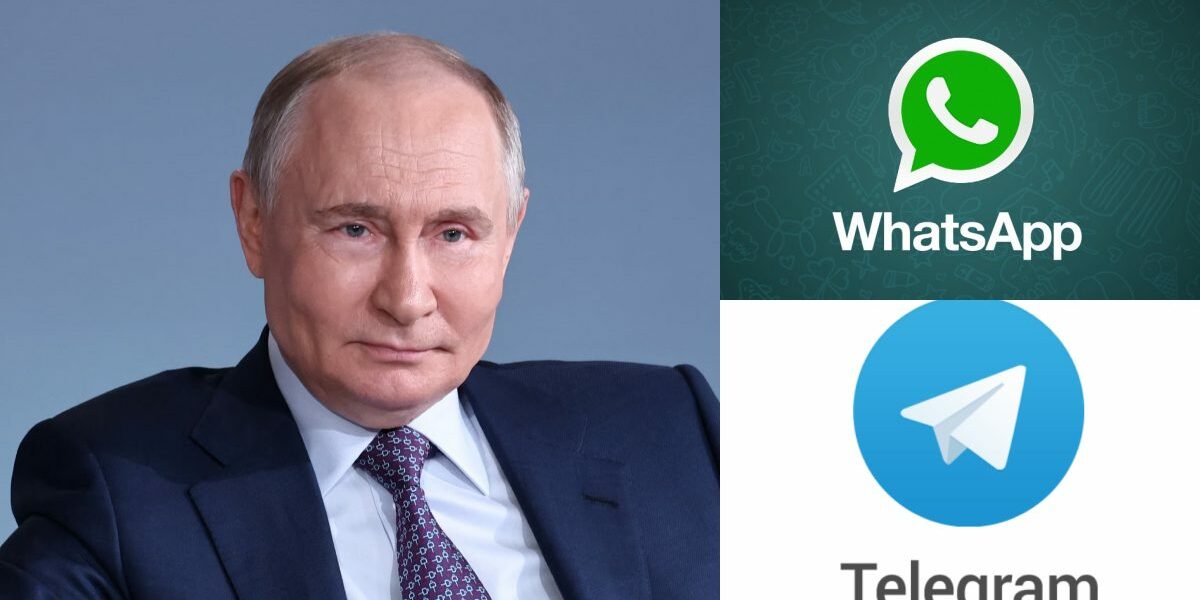
Russia has moved to curb voice calls on WhatsApp and Telegram, accusing the foreign-owned platforms of refusing to share user data with law enforcement in cases involving fraud and terrorism.
The country’s communications regulator, Roskomnadzor, said the partial restrictions were aimed at countering criminal activity, with other features of the apps left untouched. Access to calls, officials said, would be restored once the platforms complied with Russian legislation.
The move marks the latest escalation in Moscow’s long-running standoff with global tech companies, a dispute that has intensified since Russia’s full-scale invasion of Ukraine in February 2022. Critics argue the Kremlin is using such measures to tighten control over the internet and push “digital sovereignty” by promoting state-backed and homegrown services.
President Vladimir Putin has already authorised the development of a government-integrated messaging app to reduce dependence on foreign platforms.
Meta, the parent company of WhatsApp, defended its refusal to hand over data, stressing that the platform is private, end-to-end encrypted, and resistant to government surveillance. Telegram said it actively removes millions of harmful posts daily, including calls for violence and fraud-related content.




Reports indicate that Telegram voice calls have been largely non-functional since 11 August, while WhatsApp calls produce intermittent audio and metallic noises, rendering them unusable.
Anton Gorelkin, deputy head of the State Duma’s IT committee, said the companies would need to establish legal entities in Russia and work directly with regulators and law enforcement before restrictions could be lifted.
Meta was declared an extremist organisation in Russia in 2022, though WhatsApp remained operational until now despite receiving fines for hosting banned content.