Naira to dollar exchange rate today, Thursday, October 1, 2026
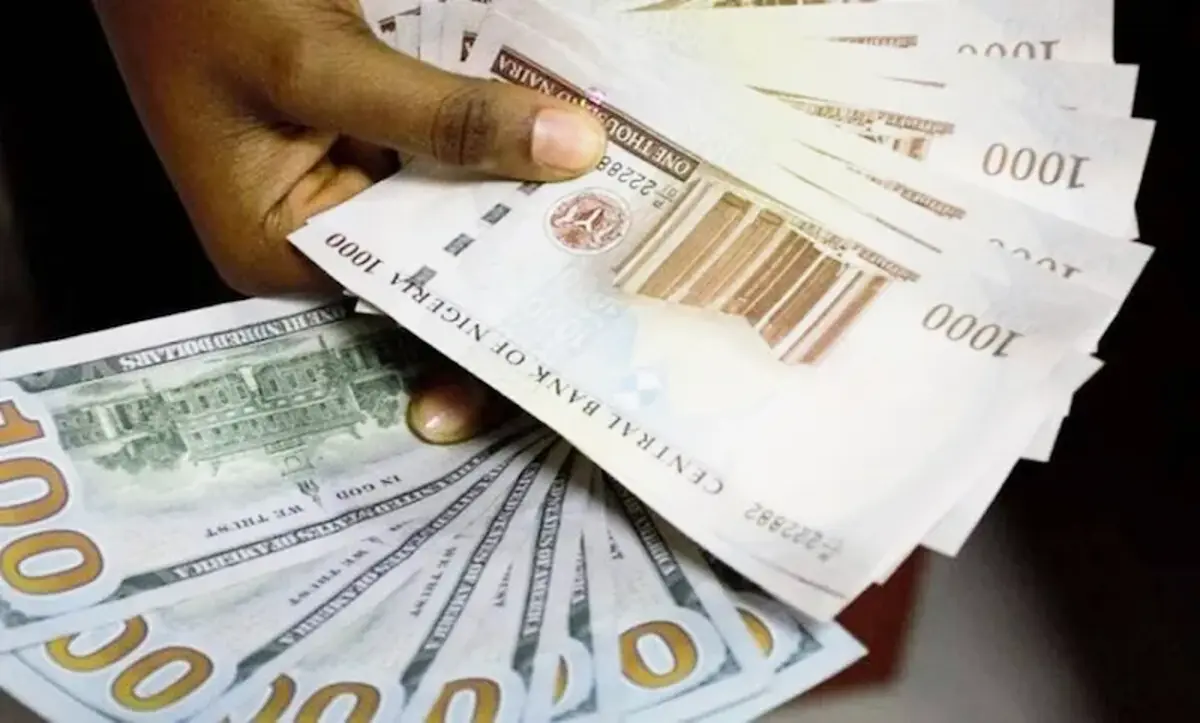
The Nigerian naira opened trading on Thursday, October 1, 2026, at about ₦1,327.68 to the US dollar, according to the latest available USD/NGN reference rate for the day.
The rate represents the latest indication for the official market, while fresh trading data from the Central Bank of Nigeria (CBN) was still being awaited as of the early hours of Thursday.
Stay updated: Set GistReel as a favorite source on Google to catch our stories first.
On Wednesday, September 30, CBN data showed the naira closing at ₦1,329.16/$1, compared with ₦1,330.47/$1 recorded on Tuesday. This represented an improvement of about ₦1.31 per dollar.
Dollar rate in the parallel market
In the parallel market, available quotes on Wednesday placed the dollar at about ₦1,375 for buying and ₦1,385 for selling, although actual rates may vary depending on location, dealer and transaction size.
Based on the ₦1,327.68 official indication and the ₦1,385 parallel-market selling rate, the gap between both markets is approximately ₦57.32 per dollar.



This means $100 would be worth about ₦132,768 at the ₦1,327.68 reference rate, while $100 at the ₦1,385 parallel selling rate would amount to about ₦138,500.
Similarly, $1,000 would be equivalent to approximately ₦1.328 million at the official indication and ₦1.385 million at the parallel-market selling rate.
Thursday dollar-to-naira rates
Market — Dollar rate
Official/reference rate — ₦1,327.68/$1
Previous CBN closing rate — ₦1,329.16/$1
Parallel market buy — ₦1,375/$1
Parallel market sell — ₦1,385/$1
Official-to-parallel selling gap — ₦57.32
The naira’s performance comes amid relatively stable foreign-exchange conditions.
Reuters reported last week that the naira was trading around ₦1,328 per dollar in intraday official-market trading, while the street rate was around ₦1,380/$1, with market participants pointing to central-bank liquidity support as one factor behind the stability.
Rates offered by banks, Bureau de Change operators and other dealers may differ from the published reference and parallel-market figures because of market location, transaction size, liquidity and individual dealer margins.