Why Nigeria may have no case against DR Congo at FIFA
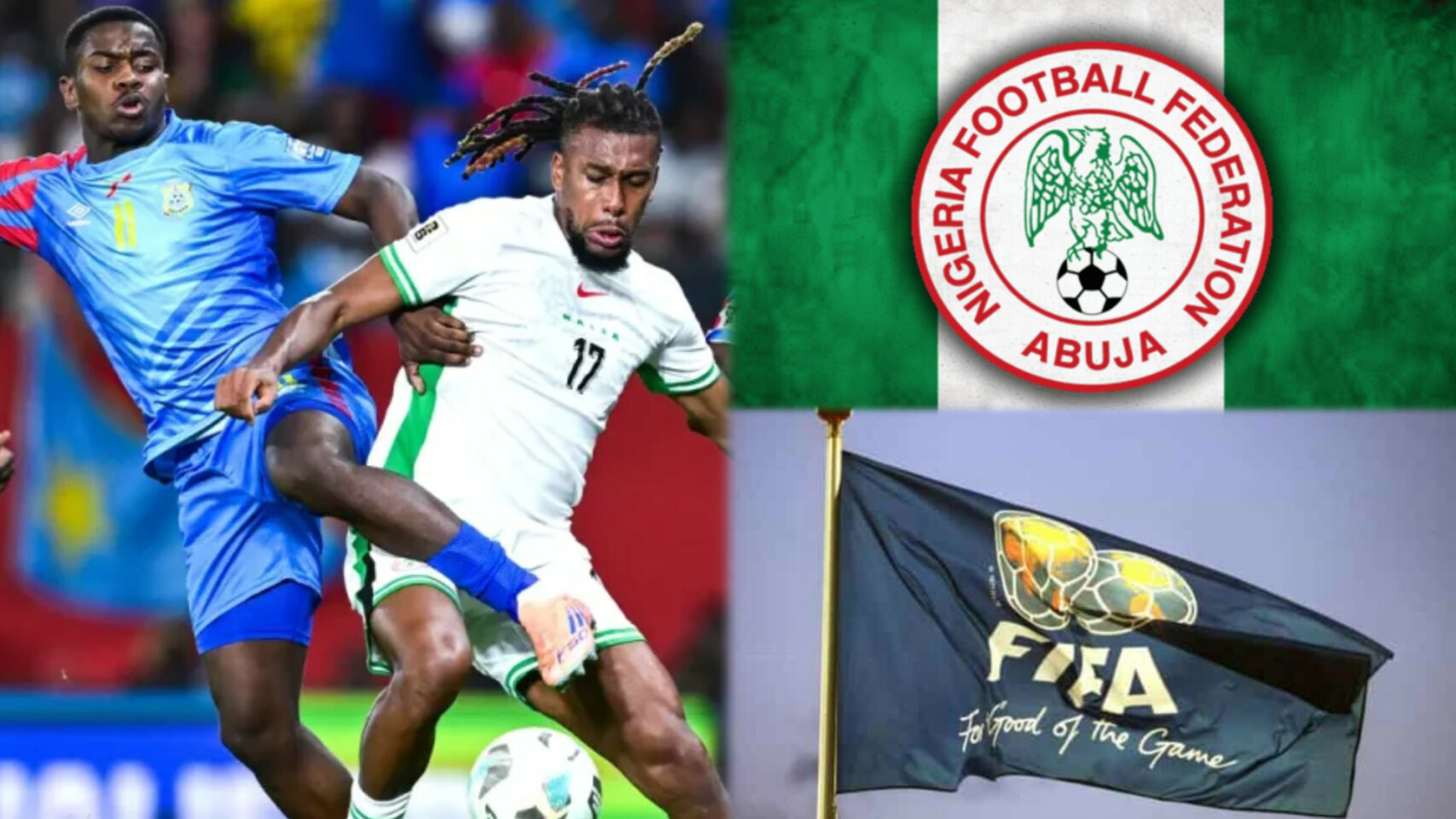
Nigeria’s attempt to revive its 2026 FIFA World Cup qualification hopes by challenging the eligibility of Democratic Republic of Congo (DR Congo) players faces some major legal obstacle rooted in FIFA’s regulatory framework.
An examination of FIFA Regulations Governing the Application of the Statutes (RGAS), specifically, Articles 5-8, it shows that international eligibility is governed strictly by FIFA rules, not by how individual countries interpret or enforce their domestic citizenship laws.
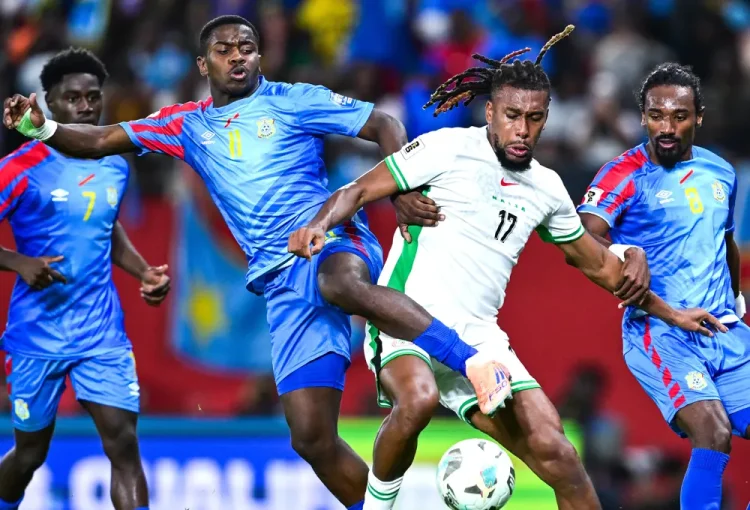
The Nigeria Football Federation (NFF) has petitioned FIFA following the Super Eagles’ playoff defeat to DR Congo, arguing that some Congolese players were ineligible because they allegedly held dual citizenship in violation of Congolese national law.
The federation claims that certain players retained European nationalities and failed to renounce them as required under DR Congo’s constitution, and that FIFA may have been misled when approving the players for the match.
FIFA nationality rules override domestic citizenship laws
FIFA’s rules draw a clear distinction between national law and sporting eligibility.



Under Article 5 of the FIFA Statutes, a player is eligible to represent a national team if he holds the nationality of that country.
The Regulations Governing the Application of the FIFA Statutes recognise a valid national passport as sufficient proof of nationality.
FIFA does not require national associations to prove compliance with domestic citizenship laws once nationality has been formally conferred.
Dual citizenship is recognised under FIFA statutes
FIFA statutes explicitly acknowledge that players may hold more than one nationality.
Articles 6 to 8 regulate a player’s sporting choice between associations rather than the legality of multiple citizenships under national law.
As a result, dual nationality alone does not breach FIFA regulations, even where domestic law restricts or prohibits it.
FIFA does not police national constitutions
In practice, FIFA does not enforce national constitutions or citizenship codes.
Once a player presents a valid passport issued by the relevant state authority and the national association submits the required documentation, FIFA treats nationality as established unless there is evidence of fraud or falsification.
Disputes over whether citizenship was granted in line with domestic law fall under the jurisdiction of the issuing country, not FIFA.
High burden of proof for Nigeria’s petition
This significantly raises the bar for the NFF. To succeed, Nigeria would need to demonstrate that the players did not hold Congolese nationality, that their passports were forged or improperly obtained, or that they were already cap-tied to another association under FIFA rules.
Allegations based purely on domestic legal interpretation are unlikely to meet FIFA’s evidentiary standards.
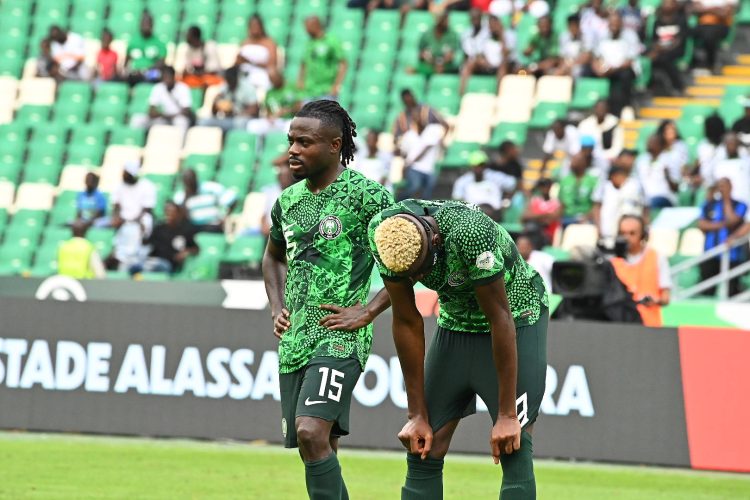
No high hopes – prior FIFA clearance weakens the case
The NFF has acknowledged that FIFA cleared the players before the playoff final.
Under FIFA practice, match results are rarely overturned once eligibility has been approved and the fixture completed, unless a clear and material breach of FIFA regulations is proven.
Claims that FIFA was misled must be backed by concrete evidence of deception, not disagreement over legal interpretation.
Age-related claims face similar hurdles
Any age eligibility concerns are subject to the same framework. FIFA relies on official documents submitted before competition.
Without proof of falsification or manipulation, retrospective sanctions are improbable.
Why the playoff result is likely to stand
Taken together, FIFA’s statutes and established practice indicate that DR Congo’s position remains secure, provided the players held valid Congolese passports and were registered correctly.
FIFA’s rules prioritise documentary nationality and sporting eligibility over constitutional debates.
For Nigeria, the decisive factor remains proof of a direct FIFA law violation.
Based on the available facts, the regulations leave limited scope for intervention, making it far more likely that the playoff outcome will be upheld and that Nigeria’s World Cup fate was settled on the pitch rather than in Zurich.