Why exported cement is cheaper than the one I sell in Nigeria – Dangote
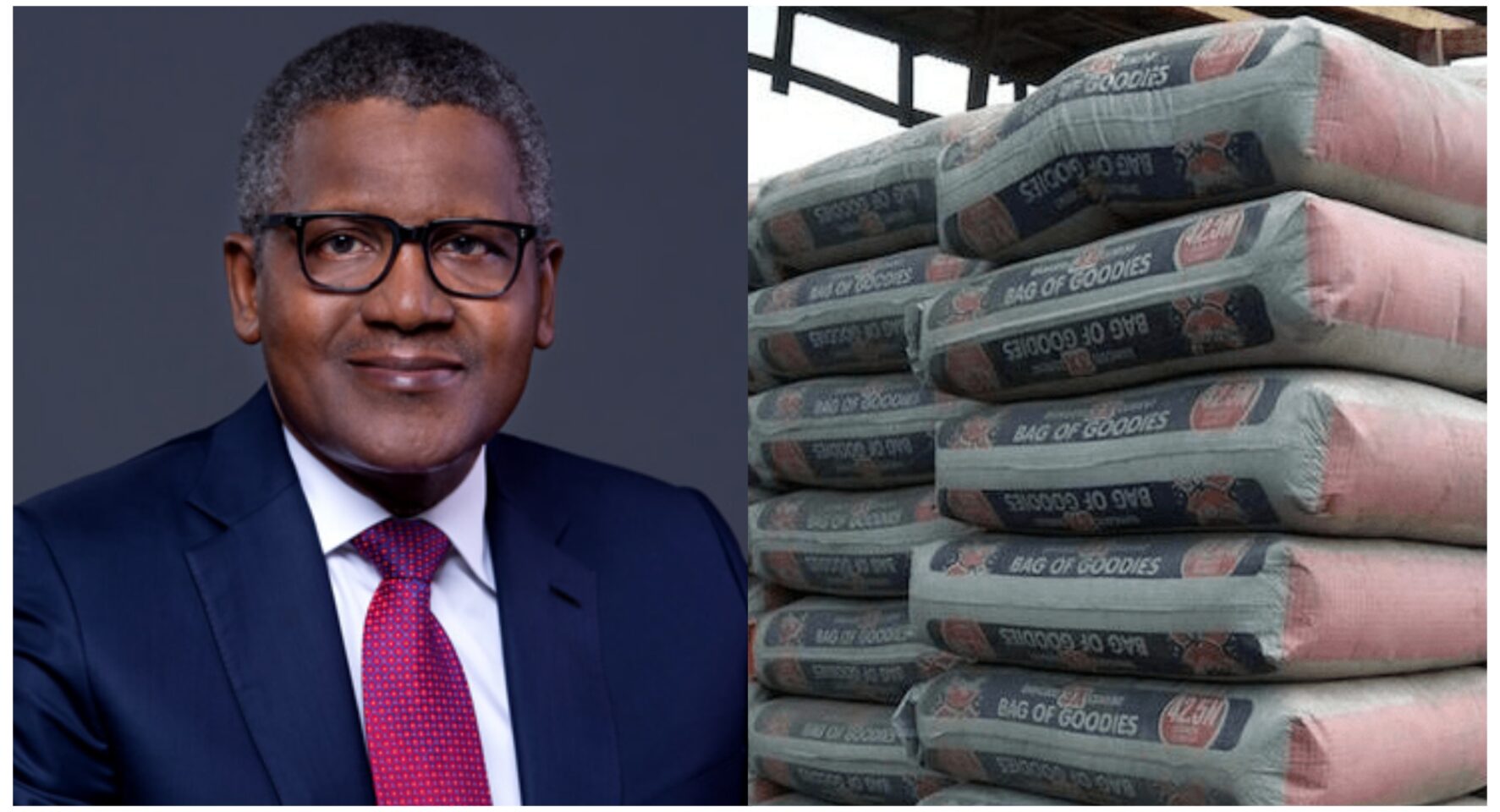
The President of Dangote Group, Alhaji Aliko Dangote, has blamed Nigeria’s high taxes and regulatory burden for the elevated cost of locally produced cement.
In a report by Business Insider Africa, Dangote highlighted how fiscal policies inflate domestic prices, noting that cement exported from Nigeria often sells for less than what Nigerians pay at home.
Exported Cement Benefits from Tax Exemptions
Dangote explained that the price gap exists because cement exports are exempt from multiple taxes and levies that apply in Nigeria.
He said the savings from not paying income tax, education and health levies, VAT, and withholding tax significantly reduce production costs for exported cement.
“These exemptions allow Nigerian cement to compete effectively with international producers from countries such as Turkey, Russia, and China,” Dangote noted.




“When you look at my invoice, the cement I export is cheaper than the one I’m selling domestically, because that’s how exports work.
“In export, I’m saving a lot of money, I’m not paying 30% income tax, I’m not paying 2% education, I’m not paying 1% health, I’m not paying 7.5% VAT, and I’m not paying 10% withholding tax,” he added.
Domestic Consumers Bear the Burden
Dangote emphasised that as a result of the current system, domestic consumers end up shouldering the burden of structural inefficiencies.
He added that local manufacturing alone cannot fully resolve high pricing for Nigerians.
Currently, prices of cement in Nigeria range between ₦10,200 and ₦10,500, depending on location.