Who is Mojtaba Khamenei, Iran’s new supreme leader?
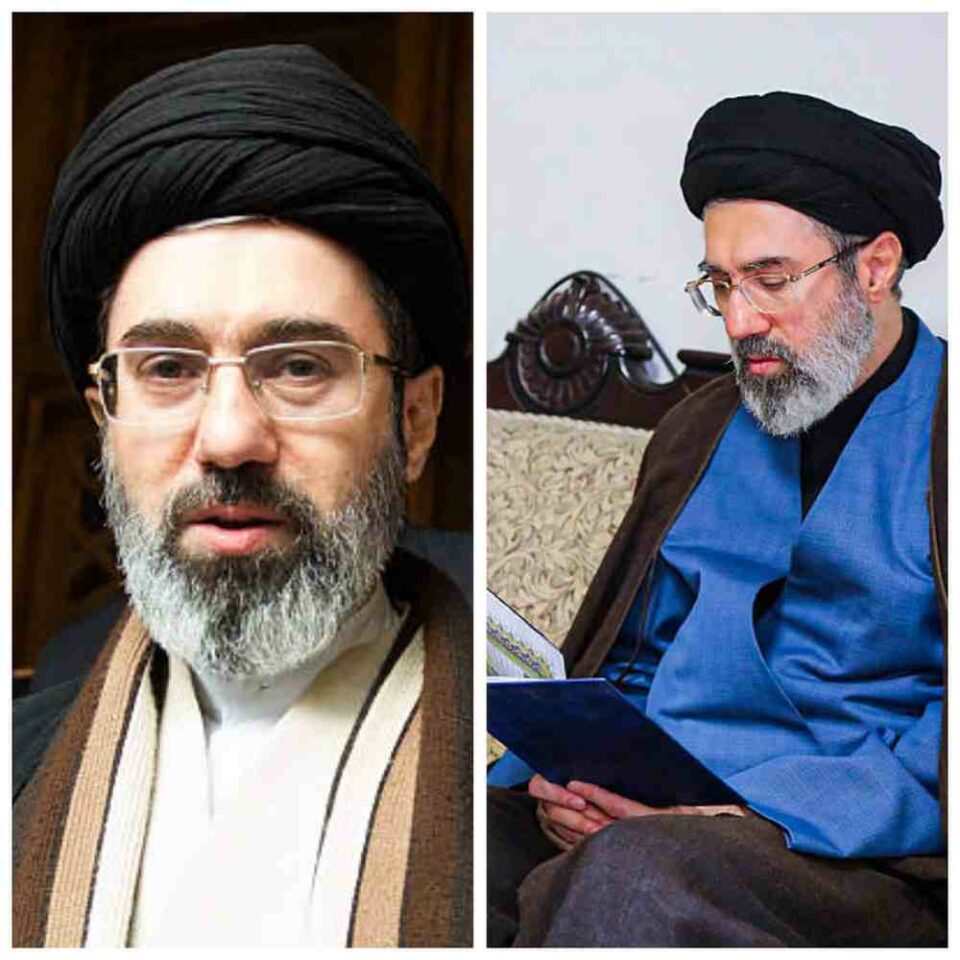
Mojtaba Khamenei, the son of Iran’s Ayatollah Ali Khamenei, who was killed in US-Israeli airstrikes, has been named as his the new Iran Supreme Leader.
Unlike his father, the 56-year-old has maintained a quiet profile. He has never held a government office, given public speeches, or participated in interviews, and only a few images and recordings of him have been published.
But for years, there have been suspicions that he had significant power behind the scenes in Iran. According to the AP news agency, US diplomatic cables leaked by WikiLeaks in the late 2000s identified him as “the power behind the robes” and widely recognised as a “capable and forceful” figure in the system.
However, his nomination may still be contentious. The Islamic Republic was established in 1979 when the monarchy was deposed, and its ideology is based on the premise that the ultimate leader should be chosen based on his religious standing and proven leadership, rather than through hereditary succession.
During his tenure, Ali Khamenei spoke generally only about the Islamic Republic’s future leadership.



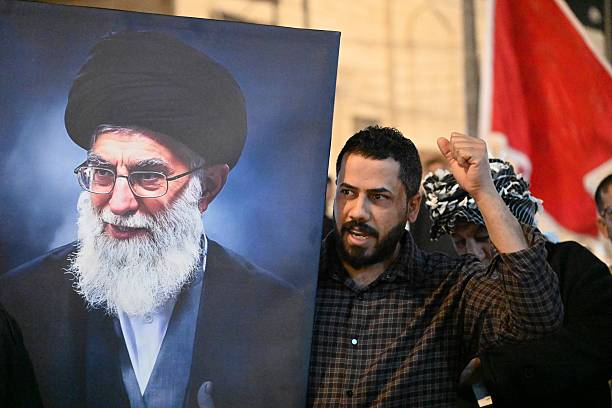
One member of Iran’s Assembly of Experts, the clerical body that selects the supreme leader, stated two years ago that Ali Khamenei rejected his son’s candidature for future leadership. However, he had never officially addressed such speculation.
So, who is Mojtaba Khamenei?
Mojtaba, the second of Khamenei’s six children, was born on September 8, 1969, in the northeastern city of Mashhad. He completed his secondary school at Tehran’s religious Alavi School. According to Iranian media, Mojtaba joined the military at the age of 17 for brief stints during the Iran-Iraq War.
The eight-year deadly struggle heightened the regime’s suspicion of the United States and the West, which supported Iraq.
Mojtaba travelled to Qom, a holy city and key center of Shia theology, in 1999 to further his religious studies. It is worth noting that he did not wear clerical clothes until this point, and it is unclear why he chose to attend a seminary at the age of 30, as this is more common with younger people.
Mojtaba remains a middle-ranking priest, which may impede his rise to the position of supreme leader. Mojtaba Khamenei has recently been referred to as “Ayatollah” by various media outlets and officials close to Iranian power centers.
Some observers see the transition as an attempt to elevate his religious reputation and position him as a trustworthy leader. In the seminary system, bearing the title of “Ayatollah” and teaching advanced classes are viewed as signs of a person’s academic level and knowledge, and are considered one of the conditions and prerequisites for picking a future leader. But there is already a precedent. Ali Khamenei was swiftly upgraded to “Ayatollah” after becoming the second supreme leader in 1989.
Accusations of Political Interference
Mojtaba’s name initially rose to prominence during the 2005 presidential election, when Mahmoud Ahmadinejad, a populist hardliner, won. In an open letter to Khamenei, reformist candidate Mehdi Karroubi accused Mojtaba of intervening with the election through forces of the Islamic Revolutionary Guard Corps (IRGC) and the Basij militia, who transferred money to religious groups to help Ahmadinejad win.
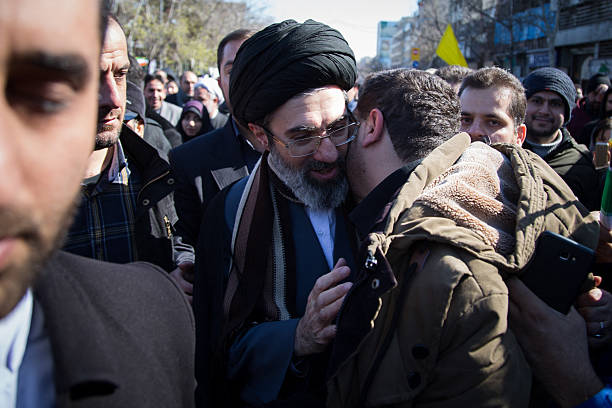
Four years later, Mojtaba faced the same accusation. The re-election of Ahmadinejad sparked nationwide protests known as the Green Movement. Some demonstrators chanted slogans opposing Mojtaba becoming Iran’s supreme leader after his father.
Mostafa Tajzadeh, then-deputy interior minister, characterised the outcome as an “electoral coup”. He was imprisoned for seven years, which he explained as “the direct wish of Mojtaba Khamenei.”
Two reformist candidates, Mir-Hossein Mousavi and Mehdi Karoubi, were placed under house arrest following the 2009 election. Iranian sources told BBC News Persian that Mojtaba met with Mousavi in February 2012 and persuaded him to end his protest.
As Iran’s newly elected supreme leader, many expect Mojtaba to continue his father’s conservative policies. Some fear that a man who has lost his father, mother, and wife in US-Israeli airstrikes will be difficult to give in to Western pressure.
However, he must also ensure the Islamic Republic’s existence and persuade the public that he is the best person to lead the country out of political and economic catastrophe.
His leadership record is virtually unproven, and the impression that the republic is becoming a hereditary regime may exacerbate public resentment. Mojtaba is now a marked man. Israel’s security minister stated last week that whoever is chosen as Ayatollah Ali Khamenei’s successor will be “an unequivocal target for elimination”.