What Surprises Nigerians Most About Financial Emergencies When They First Arrive in the US
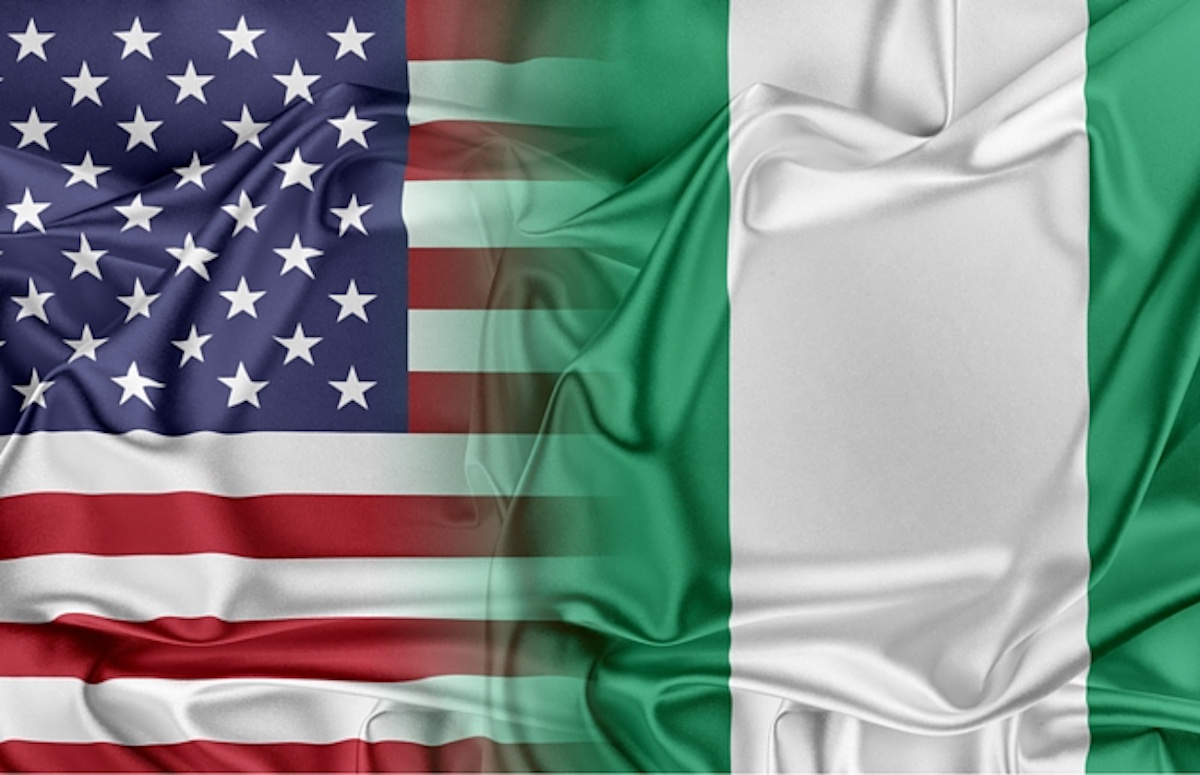
Moving from Nigeria to the United States means stepping into a completely different financial ecosystem. The surprises hit fast – and they often come with price tags that feel completely unreasonable.
Back home, plenty of expenses are negotiable, cash-based, or cushioned by family networks. Here, the system runs on credit scores, insurance deductibles, and instant payments. Many newcomers discover this the hard way when an unexpected bill arrives, and there’s no grace period.
The Healthcare Shock: When “Free” Isn’t Free
Nigerian immigrants quickly learn that having health insurance doesn’t mean free healthcare. The concept of co-pays, deductibles, and out-of-network charges catches people off guard.
Take Tunde, a software engineer who relocated to Houston last year. Three weeks into his new job, he woke up with severe stomach pain and rushed to an urgent care clinic. His insurance card was brand new – he assumed everything would be covered.
The receptionist informed him of a $75 same-day co-pay, due immediately. Tunde didn’t have enough cash on hand, and his Nigerian debit card wouldn’t process. He had to quickly explore US emergency money options to cover the expense before receiving treatment.




That moment taught him what thousands of Nigerian newcomers learn: American healthcare demands upfront payment, even when covered by insurance. The billing statements that arrive weeks later add another layer of confusion and stress.
The Credit Score Mystery
In Nigeria, financial trust operates differently. References matter. Character matters. A handshake can seal a loan between friends or community members.
The US credit system feels impersonal and punishing by comparison. Newcomers discover their solid financial history back home means absolutely nothing here. Landlords reject applications. Car dealerships offer terrible interest rates. Even utility companies demand hefty deposits.
Building credit from zero while managing everyday expenses creates real pressure. Some immigrants resort to secured credit cards or become authorized users on relatives’ accounts just to start establishing a score.
Sudden Out-of-Pocket Expenses Nobody Warns You About
The surprise costs pile up faster than expected. School supplies for children run into hundreds of dollars, not the few notebooks and uniforms from home. Winter clothing becomes a necessity in northern states, requiring a completely new wardrobe investment.
Car ownership feels mandatory in most American cities, unlike Lagos, where public transport and okadas provide alternatives. Between down payments, insurance premiums, registration fees, and maintenance, transportation expenses can deviate from budgets immediately.
Apartment security deposits equal two or three months’ rent in many cities. Add the first month’s rent plus broker fees, and move-in costs can demand $5,000 or more upfront.
The “Cash Is King” Fallacy
Nigerian culture embraces cash transactions. Splitting bills with friends, paying for services, buying from street vendors – cash handles everything smoothly back home.
American society runs on cards and digital payments. Many small businesses don’t accept cash anymore. Landlords prefer electronic transfers. Some restaurants operate entirely cashless.
This shift forces newcomers to rapidly adopt banking apps, Venmo, Zelle, and other payment platforms. The learning curve adds stress during an already overwhelming adjustment period.
According to research from the Migration Policy Institute, West African immigrants face unique financial integration challenges compared to other groups. The disconnect between home country financial practices and US systems creates significant early struggles.
Emergency Fund Reality Check
Building savings while sending remittances home becomes a nearly impossible balancing act. Many Nigerian immigrants support family members back home, often contributing hundreds of dollars monthly.
American financial advisors recommend keeping three to six months of expenses in emergency savings. For someone managing dual financial obligations across continents, that goal feels laughable.
Yet emergencies don’t wait for financial stability. Car breakdowns happen. Medical issues arise. Rent increases hit without warning. The lack of a cushion turns minor setbacks into major crises.
When Payday Doesn’t Match Bills
Biweekly pay schedules throw off budgeting for people accustomed to monthly salary payments. Bills arrive on fixed dates, but paychecks land every two weeks – sometimes three times in a month, sometimes twice.
This misalignment causes payment timing issues, especially during the first few months. Late fees stack up. Overdraft charges hit bank accounts. The rhythm feels completely wrong compared to the predictable monthly cycle back home.
Financial literacy organizations like the Center for Financial Services Innovation emphasize how payment frequency mismatches create stress for immigrant communities trying to manage American billing systems.
Finding Balance Without Losing Connection
Adapting to US financial reality doesn’t mean abandoning cultural values around family support and community. Smart adjustment means learning new systems while maintaining important commitments.
Start building an emergency cushion, even if it’s just $50 monthly. Research employer benefits thoroughly – many include financial counseling or emergency assistance programs. Connect with Nigerian community organizations that understand the dual financial pressures immigrants face.
You have to understand these surprises before they hit to make the transition smoother. American financial culture operates differently, but knowledge and preparation help newcomers avoid the worst shocks while building stability in a new home.