What Nigerians Get Wrong About Weight Loss Medications
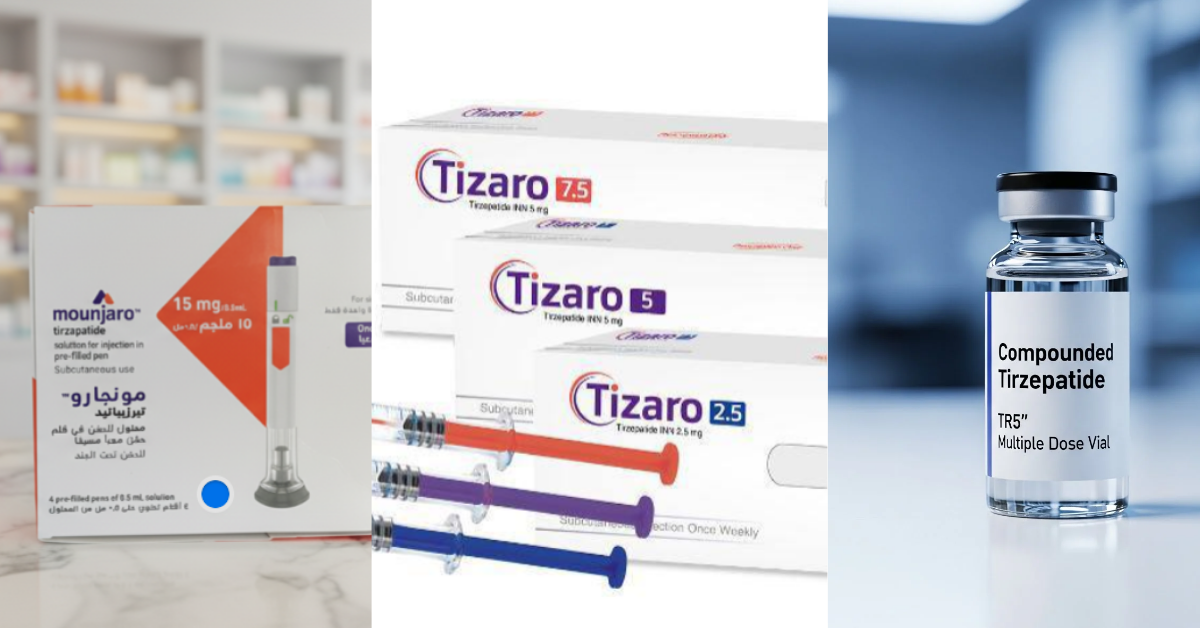
Interest in weight loss medications in Nigeria has grown over the years. Names like Mounjaro, Tizaro, and other tirzepatide brands are now common in weight loss conversations.
But alongside that interest, misinformation is spreading faster than facts. It’s common to hear people label the medications as “cheating.” Instagram vendors promise overnight results. Others warn that a single injection could ruin your kidneys.
Stay updated: Set GistReel as a favorite source on Google to catch our stories first.
According to HueBeautyGlam, Nigeria’s most trusted weight loss brand, much of what Nigerians believe about these medications is either outdated, exaggerated, or simply wrong, and the confusion is costing people both their money and their health.
This article breaks down the most common misconceptions with medically grounded context, so you can make informed decisions about your health.
Myth 1: Using Weight Loss Medications Is Cheating
The belief that weight loss must involve suffering through hunger strike and intense gym workouts has shaped how many Nigerians view medical weight loss.




That mindset misunderstands how these medications actually work. Clinically approved options like tirzepatide do not melt fat overnight. What they do is regulate appetite hormones, helping your body feel satisfied with less food and reducing the constant cravings that sabotage most diets.
Despite that, patients still need to prioritise balanced eating, adequate protein intake, daily movement, quality sleep, and proper hydration. The medication does not replace this work. It makes the effort finally pay off, especially for people who have tried for years with little to show for it.
Myth 2: Weight Loss Medications Are Dangerous
The fear is understandable. Social media tends to frame every side effect as catastrophic, and stories of bad reactions travel faster than stories of successful treatment.
Ann Mbene, founder of HueBeautyGlam explains that, “side effects exist, as with any medication, but most are mild to moderate and manageable when the dosage is titrated under medical supervision.”
The most commonly reported side effects of tirzepatide like Mounjaro and Tizao include nausea, reduced appetite, mild gastrointestinal discomfort, and fatigue during the early weeks of treatment. For a fuller breakdown, see Mounjaro side effects and Tirzepatide side effects.
Mbene also stresses that treatments should never be taken without professional supervision, particularly because these medications are designed to be introduced to the body in gradual doses.
She has seen cases where patients start on Mounjaro 10mg without their body first being eased in through the introductory 2.5mg dose. This ignorant shortcut, according to her, often triggers avoidable side effects and setbacks.
Myth 3: You Will Gain All the Weight Back
This is one of the most discouraging myths, and it keeps many Nigerians from trying medically supervised options at all. The truth is more nuanced.
Weight regain after stopping medications is not caused by the medication itself. It is caused by stopping abruptly without a maintenance plan, or reverting to the eating patterns that caused the weight gain in the first place.
A proper maintenance plan looks like gradual dose tapering, a sustainable nutrition plan, strength training to preserve lean muscle, and ongoing monitoring by a qualified provider.
Ann Mbene herself lost 25kg in four months on Mounjaro.

After reaching her goal weight, she now micro-doses on compounded tirzepatide as part of her long-term maintenance plan, an approach she says has kept her results stable.
Myth 4: Any Mounjaro or Tizaro Seller in Nigeria Is Fine
No, it is not!
According to HueBeautyGlam, a trusted weight loss clinic in Lagos, many unlicensed vendors operate without the in-depth product knowledge required, leading to issues such as wrong dosages, broken cold chains, expired products, fake pens with inactive ingredient, or worse, undeclared toxic substances.
NAFDAC has also repeatedly warned about counterfeit weight loss products and unauthorised slimming supplements sold in beauty salons, spas, and across social media.
Founder Ann Mbene argues that the price of Mounjaro in Nigeria should be one of the first things buyers consider before making a purchase.
If the price sits dramatically below the established market range (₦600,000 to ₦950,000), the product is almost certainly not authentic.
Legitimate sourcing involves import costs, customs duties, temperature-controlled storage, and proper medical oversight, none of which allow for heavily discounted pricing.
Myth 5: Weight Loss Medications Are Only for Women
In Nigerian conversations, weight loss medications are often treated as a women’s topic. The men in the room either joke about it or dismiss it entirely.
Ann Mbene pushes back on this cultural narrative. Tirzepatide-based medications such as Mounjaro and Tizaro, she explains, work on the same metabolic pathways regardless of gender.
Additionally, men typically carry higher visceral fat, the deep abdominal fat linked to cardiovascular disease, high blood pressure, and metabolic disorders. Hence, for many Nigerian men, weight loss medications can play a role in reducing cardiovascular risk.
What Medications Can Help With Weight Loss?
Mounjaro, Tizaro, and Ozempic are the three medications Ann Mbene recommends as the current gold standard for medically supervised weight loss in Nigeria.
Mounjaro is the brand name for tirzepatide. It is a dual-action weekly injection targeting both GLP-1 and GIP hormones, which helps regulate appetite, slow digestion, and improve insulin response. Dosing starts at 2.5 mg and titrates gradually up to 15 mg.
Tizaro is also a tirzepatide injection and works through the same dual-hormone mechanism as Mounjaro. Mbene describes Tizaro as the affordable tirzepatide with Mounjaro results. Tizaro dosage strengths are from 2.5 mg to 15 mg.
Ozempic is the brand name for semaglutide. It is a once-weekly injection that targets only the GLP-1 hormone, unlike tirzepatide’s dual action. It is well-studied for both blood sugar management and weight reduction.
All three are prescription medications. None of them should be started without a proper medical consultation, a full health history review, and a structured titration plan.
Who Should Not Use Weight Loss Drugs?
Weight loss medications like Mounjaro, Tizaro, and Ozempic are not suitable for everyone. You should not use them if you:
- Have a personal or family history of medullary thyroid carcinoma or MEN 2
- Have a history of pancreatitis, severe kidney issues, or certain gallbladder conditions
- Are pregnant or breastfeeding
- Are on conflicting medications that have not been reviewed by your doctor
Only start injecting a weight loss medication after a prescription from a trusted clinic like HueBeautyGlam. These consultations often review your full medical history to confirm whether you are a candidate.
Quick Verification Checklist Before Buying Medications for Weight Loss
Before paying for any weight loss medication in Nigeria, confirm:
- Visible batch number and expiry date on the Kwikpen or Tizaro Injection.
- Temperature-controlled storage between 2°C and 8°C
- Mandatory consultation required before any sale
- A physical, verifiable business address
These are the standards Ann Mbene has built HueBeautyGlam around, and they should be the minimum bar for anyone selling weight loss medications in Nigeria. The clinic allows walk-in verification and consultation at House 7, Christo Court, Dpkay Estate, Orchid Road, Lekki 2, Lagos. also allows.
Conclusion
The problem with weight loss medications in Nigeria is not the medications themselves. It is the misinformation that surrounds them and the unsafe access routes too many Nigerians still rely on.
Weight loss medications like Mounjaro, Tizaro, and other tirzepatide options can be safe and effective when used under medical supervision and sourced from verified pharmacies and weight loss clinics like HueBeautyGlam. Before buying, take time to verify sourcing, ask questions, and speak with a qualified doctor. If physical verification brings peace of mind, visit the HueBeautyGlam Lekki store.
Results vary by patient, dosage should be professionally guided, and no medication replaces a sustainable lifestyle. But with the right support and the right information, medically supervised weight loss can be a genuine turning point for Nigerians serious about their long-term health.