“We would’ve killed Iran’s Supreme leader if given opportunity” – Israel
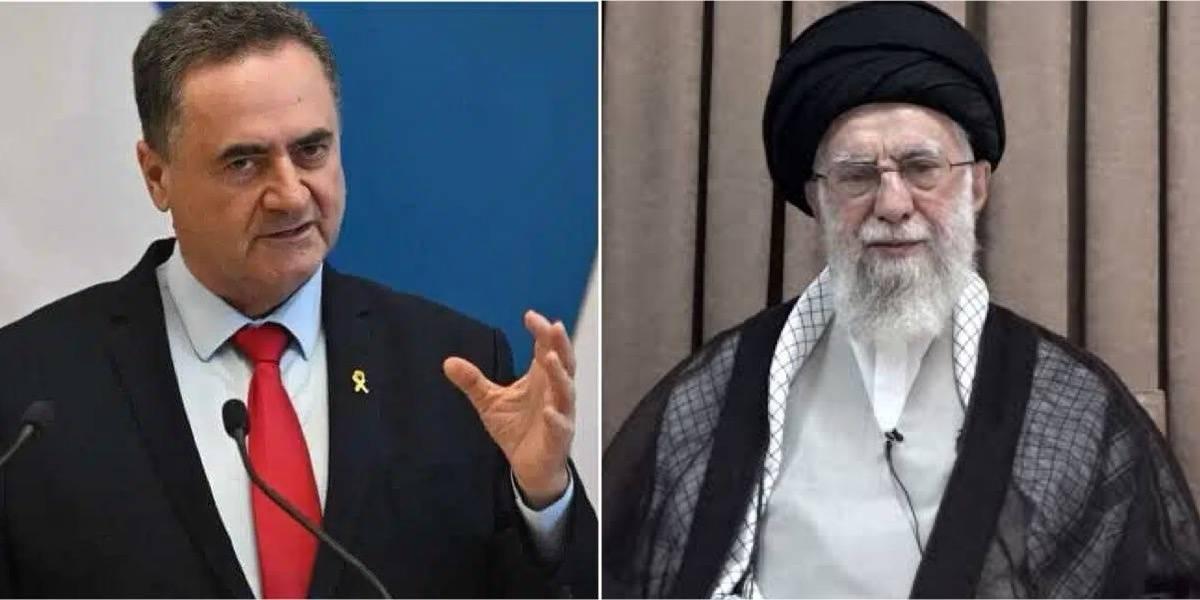
Israel’s Defence Minister, Israel Katz, has said that they would have assassinated Iran’s Supreme Leader, Ayatollah Ali Khamenei, during the recent war if the opportunity had presented itself.
Speaking to Israel’s public radio, Kan, on Thursday evening, Katz said; “If he had been in our sights, we would have taken him out.”
He added that Israeli forces made significant efforts to locate Khamenei during the conflict.
“Khamenei understood the situation and went very deep underground. He even broke off contact with his military commanders, so in the end, it wasn’t realistic,” Katz disclosed.
The Defence Minister also spoke to Channel 13, where he confirmed that assassination attempts on Iranian leadership would cease following the recently brokered ceasefire.




“There’s a difference between before the ceasefire and after the ceasefire,” Katz explained.
During the height of the war, Katz had declared that Khamenei “can no longer be allowed to exist,” a statement made shortly after reports surfaced that the United States had vetoed Israeli plans to assassinate the Iranian leader.
Katz, however, warned Khamenei to stay hidden.
“He should learn from the late Nasrallah, who stayed deep in the bunker for a long time,” he said, referring to Hezbollah’s former leader Hassan Nasrallah, who was killed by an Israeli airstrike in Beirut in September 2024.
The Supreme Leader’s movements are notoriously secretive, and he has not left Iran since assuming power.
Meanwhile, Katz asserted that Israel continues to maintain aerial superiority over Iran and stands ready to launch further strikes if necessary.
“We won’t allow Iran to develop nuclear weapons or threaten us with long-range missiles,” he stated.
Katz admitted in an interview with Channel 12 that Israel does not know the exact locations of all Iran’s enriched uranium stockpiles but claimed the country’s uranium enrichment infrastructure had been destroyed by Israeli airstrikes.
“The material itself was not the main target. What we neutralised were Iran’s enrichment capabilities,” he explained.
The extent of the damage to Iran’s nuclear programme remains a subject of debate.
A leaked US intelligence assessment suggested the strikes had set Iran’s nuclear progress back by a few months, while Katz and other officials have argued it could take years for Iran to rebuild.
The 12-day war between Israel and Iran, which began on June 13 after Israel launched strikes aimed at halting Iran’s alleged nuclear weapons development, ended with a ceasefire on June 24.