“We won’t accept your deportee deal like Rwanda, South Sudan” – FG to Trump
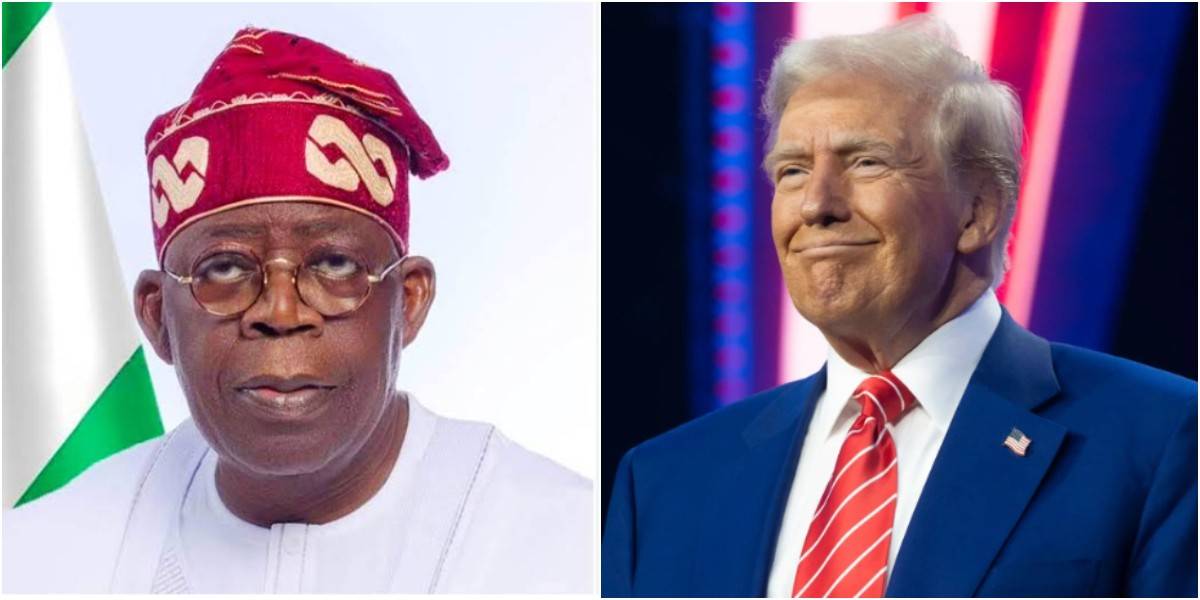
The Federal Government (FG) has reaffirmed its refusal to accept deportees from the United States under President Donald Trump’s revived “third-country deportation” policy, insisting the plan is unsuitable for Nigeria’s security and economic realities.
Speaking with Saturday PUNCH, the Ministry of Foreign Affairs spokesperson, Kimiebi Ebienfa, said Nigeria’s stance remains unchanged despite recent decisions by Rwanda, Eswatini, and South Sudan to accept deportees from the US.
“Even if other African countries are accepting deportees from the US, Nigeria will not accept them. We are a sovereign country and take decisions only after fully analysing the implications to our national security,” Ebienfa stated.
The policy, reinstated following a US Supreme Court ruling on June 23, 2025, allows Washington to send deportees to countries other than their own when their home nations refuse to take them back.
In some cases, the US has paid host countries to incarcerate or resettle these individuals.



Foreign Affairs Minister, Yusuf Tuggar, disclosed in July that the Trump administration had been pressuring African nations to accept Venezuelans—some recently released from US prisons—under this arrangement.
He described the proposal as “unacceptable,” warning that it would unfairly shift America’s burden onto countries already facing internal challenges.
“It will be difficult for countries like Nigeria to accept Venezuelan prisoners. We already have 230 million people and enough problems of our own,” Tuggar said.
In contrast, South Sudan, Eswatini, and Rwanda have agreed to receive deportees, often from non-African countries.
Rwanda, for instance, struck a deal to take in up to 250 migrants, with its government retaining the right to approve each case and pledging to provide accommodation, healthcare, and job training.
Ebienfa stressed that Nigeria is currently dealing with pressing domestic issues and would not take on “additional baggage.”
He also highlighted the country’s ongoing strategic projects such as the Nigeria-Morocco gas pipeline and development of rare earth minerals that require focused attention.
Former Nigerian diplomats have backed the government’s decision. Retired Ambassador Ogbole Amedu-Ode questioned the logic behind sending non-Nigerian deportees to Nigeria, calling the move “without merit” and praising the government’s firm response.
Another former envoy, Rasheed Akinkuolie, noted that while Nigeria would accept its own nationals, it could not admit people of unknown identity or background, especially if they pose security risks.
He recalled cases where foreigners illegally entered Nigeria and engaged in criminal activities, leading to their deportation or prosecution.
“What the US is doing may serve its national interest, but Nigeria’s priority is to protect its sovereignty and security,” Akinkuolie said.
The US has warned countries that refuse cooperation with deportations of possible visa sanctions under Section 243(d) of its Immigration and Nationality Act.
Recent visa policy changes have already limited most Nigerian visitors to single-entry, three-month permits.
For now, Federal government says Nigeria will not follow Rwanda, Eswatini, or South Sudan in accepting deportees under the US scheme.