VAR expanded as World Cup adopts new rules
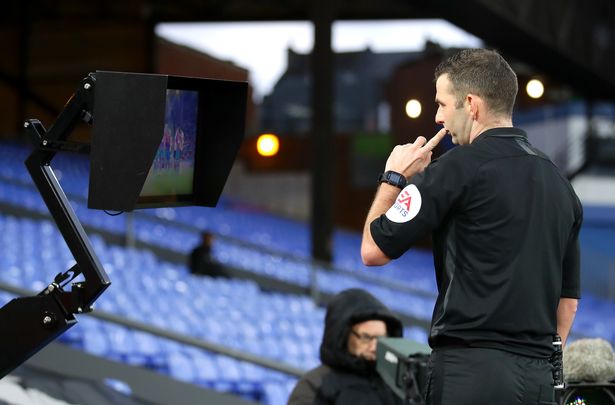
Video assistant referee (VAR) powers will be expanded and stricter time controls introduced at this summer’s World Cup after law-makers approved a series of changes aimed at improving accuracy and reducing time-wasting.
The International Football Association Board (Ifab) confirmed the measures following its annual general meeting at Hensol Castle in Wales.
The new laws will come into force on 1 June and apply globally from the 2026-27 season.
VAR scope widens
Under the updated protocol, VAR will be permitted to review corners and incorrectly awarded second yellow cards.
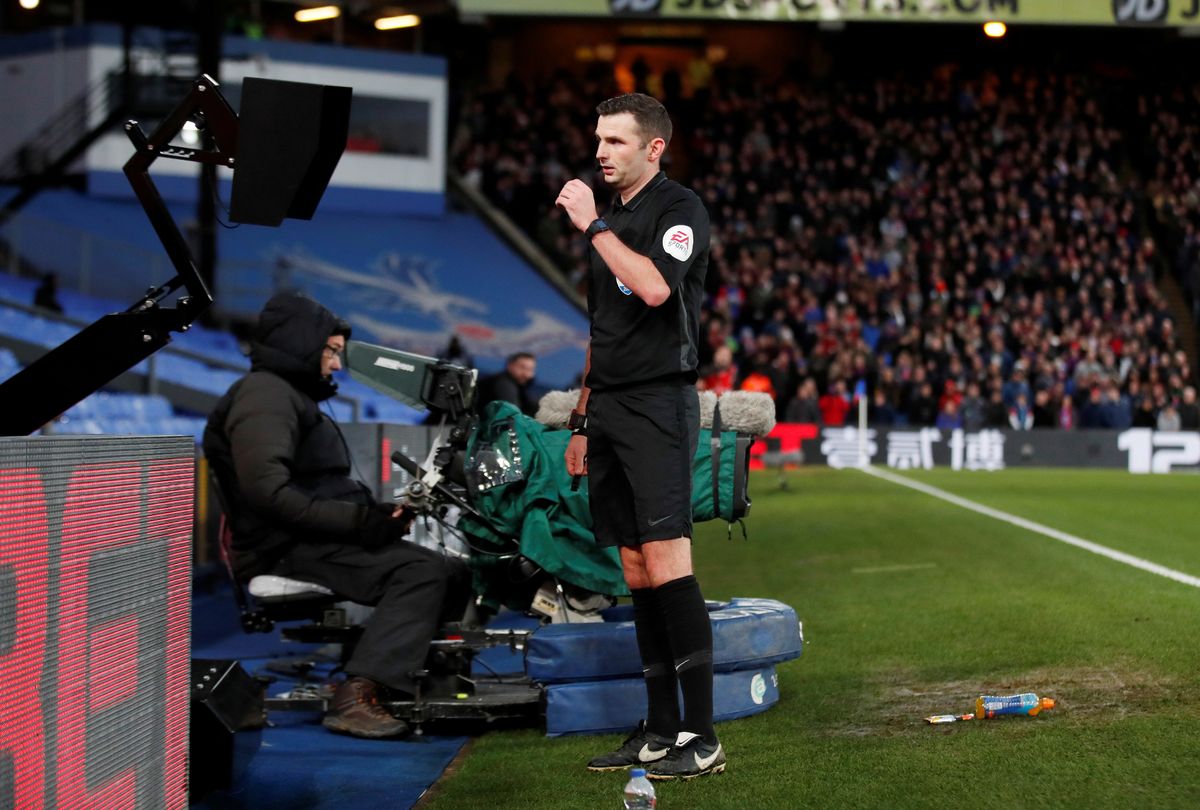


The technology will also be able to intervene where a caution has clearly been shown to the wrong team.
World governing body FIFA strongly backed expanding VAR’s remit, arguing it should be used when it can quickly correct “clearly wrong” decisions.
Support for reviewing second yellow cards grew after recent high-profile incidents.
In one case, a player was dismissed for a second booking following minimal contact, with officials later admitting the decision was incorrect but beyond VAR’s scope under current rules.
However, leagues remain divided over reviewing corners. While FIFA wants the measure in place at the World Cup, domestic competitions can opt out.
The Premier League is not expected to adopt the change, and there is reported resistance within UEFA. Italy’s Serie A is likely to implement it.
Countdown measures introduced
Ifab has also targeted what it termed “tempo disruption” with countdown clocks for goal-kicks, throw-ins and substitutions. Failure to restart play within the allotted time will result in a turnover of possession.
Substituted players must leave the field within 10 seconds or their team will temporarily play with one fewer player.
Injured outfield players will now be required to remain off the pitch for one minute, subject to specific exemptions. Goalkeepers are excluded from the new injury rule.
Offside and conduct trials
Former Arsenal manager Arsene Wenger’s proposal to amend the offside law, requiring clear daylight between attacker and defender, will be trialled in the Canadian Premier League. Results will be reviewed later this year.
Ifab will also consult on measures to prevent players covering their mouths during confrontations, amid concerns over misconduct.
Collectively, the reforms represent one of the most significant adjustments to football’s laws in recent years, with governing bodies seeking to balance accuracy, flow and integrity ahead of the 2026 World Cup cycle.