US lawmakers propose bill to sanction Kwankwaso, Miyetti Allah over alleged Christian persecution
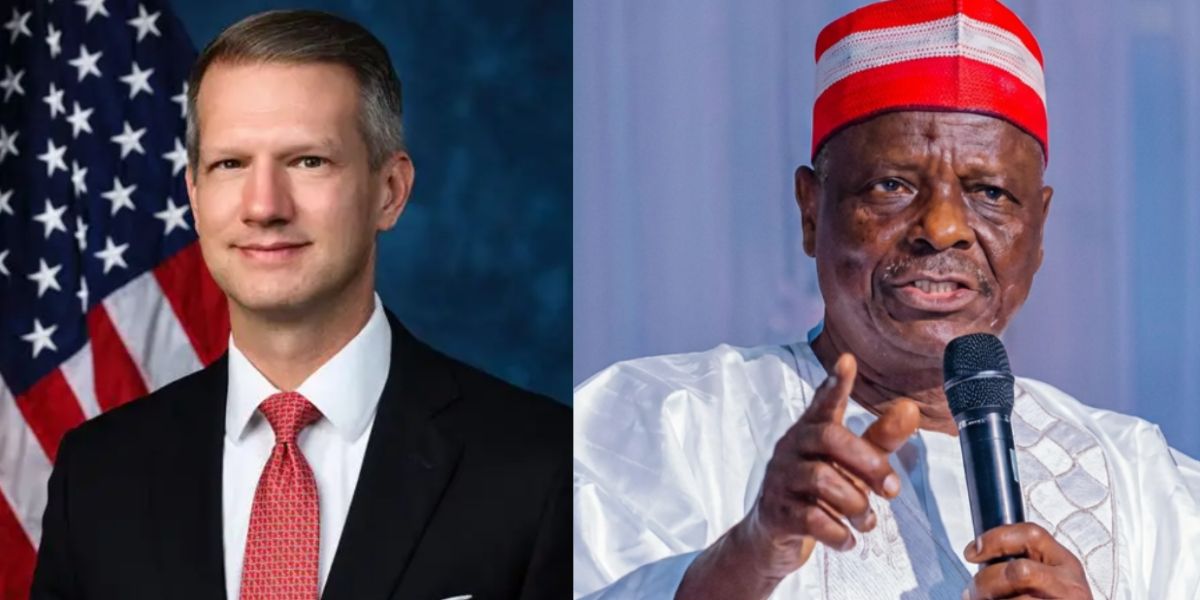
Five United States lawmakers have introduced a bill targeting former Kano State Governor Rabiu Kwankwaso, the Miyetti Allah Cattle Breeders Association (MACBAN), and two other individuals over alleged violations of religious freedom in Nigeria, including the persecution of Christians.
Titled the Nigeria Religious Freedom and Accountability Act of 2026, the bill was proposed by Chris Smith, Riley Moore, Brian Mast, Mario Diaz-Balart, and Bill Huizenga.
The legislation seeks to impose visa restrictions, asset freezes, and sanctions on alleged perpetrators while requiring the U.S. Secretary of State to submit regular reports to Congress on Nigeria’s adherence to international religious freedom obligations.
“The Department of State and the Department of the Treasury should impose targeted sanctions, including visa bans and asset freezes under the Global Magnitsky Human Rights Accountability Act, on individuals or entities responsible for severe religious freedom violations, or report to Congress the reasons such sanctions have not been imposed, including—
(A) Fulani-ethnic nomad militias in Nigeria;
(B) Rabiu Musa Kwankwaso, former Kano State Governor;
(C) Miyetti Allah Cattle Breeders Association of Nigeria (MACBAN); and
(D) Miyetti Allah Kautal Hore,” the bill reads.




Lawmakers cited reports estimating that between 50,000 and 125,000 Christians have been killed in Nigeria from 2009 to 2025, with over 19,000 churches destroyed.
They highlighted specific attacks, including the Yelwata killings and Christmas Eve massacres of 2023 and 2024, noting that more than 9,500 people died in these incidents and over half a million were displaced.
The legislation also calls for U.S.–Nigeria cooperation on humanitarian assistance through trusted civil society and faith-based organizations in the Middle Belt.
International partners such as France, Hungary, and the United Kingdom would also be engaged to promote religious freedom and peace.
Future U.S.–Nigeria relations may hinge on Nigeria’s response to the proposed measures, with lawmakers stressing that addressing religious persecution is key to stability in the region and stronger ties with Washington.