UK Visa Fees Surge From April 2026: Full Breakdown of New Costs Nigerians Must Pay for Travel, Study, Work and Citizenship”
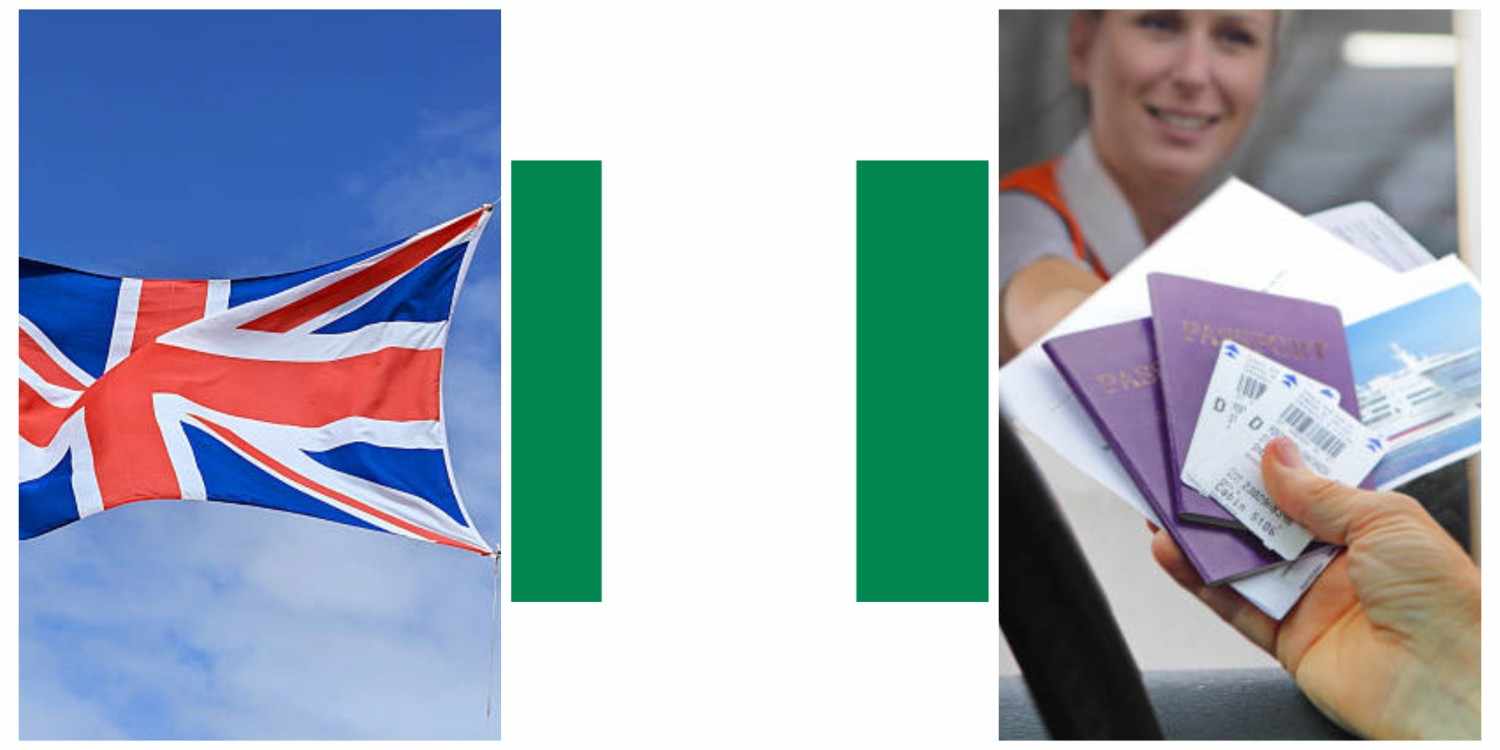
The United Kingdom has announced a new increase in visa, travel authorisation, and citizenship application fees, which will take effect on April 8, 2026. This policy shift is expected to significantly increase the financial burden on Nigerians and other international applicants seeking entry, education, employment, or permanent residency in the UK.
The changes, revealed by the UK Home Office, are part of broader immigration funding reforms aimed at transitioning the system to a more self-sustaining model.
According to several international and Nigerian media reports, the revised cost structure applies to practically all migration channels, including visiting visas, student permits, skilled worker visas, settlement pathways, and British citizenship applications.
Analysts remark that Nigerians continue to be among the most impacted populations due to the constantly high demand for UK education and career possibilities.
The increases in most categories range between 6% and 7%, continuing the pattern of increased immigration costs that began in recent years.




Updated UK Visa Fees Nigerians Will Pay From April 2026

The following is a condensed breakdown of important revised charges impacting applicants outside the UK.
Visitor Visas
- Standard visit visa (up to 6 months): £135 (up from £127)
- Long-term visit visas (2, 5, and 10 years): Increased proportionally across categories
Student and Education Routes
- Student visa: £558 (previously £524)
- Graduate/post-study work visa: £937 (previously £880)
Work Visas
- Skilled Worker visa (up to 3 years): £819
- Skilled Worker visa (over 3 years): £1,618
Health and Care worker visas also see moderate increases
Settlement and Residency
Indefinite Leave to Remain (ILR): Expected increase above earlier £3,000 benchmark levels.
Immigration-related premium services are basically unaltered.
Citizenship Applications
British citizenship and naturalisation costs continue to rise, confirming the UK’s cost-recovery immigration structure.
Industry observers emphasise that visa application fees are only a portion of migration charges, as applicants must also pay the Immigration Health Surcharge and meet greater proof of funds standards, raising the overall cost of relocation.
Why the UK Is Increasing Immigration Fees
The UK government claims that increasing fees lessens reliance on taxpayer funds by shifting operating expenses to applicants and sponsoring organisations.
The Home Office claims that the strategy promotes border control, digital migration systems, and administrative processing improvements.
However, migration experts warn that recurrent fee increases may impact destination preferences among foreign students and skilled professionals, particularly those from African nations where currency exchange pressures already exacerbate application costs.
Implications for Nigerians
For Nigerian candidates, the timing of submissions may now have financial implications. Immigration advisers urge filing applications as soon as possible before the implementation dates, since exchange rate fluctuation between the naira and the pound sterling can amplify even minor fee increases.
Education analysts also expect universities that recruit extensively from Nigeria to adapt their advice for prospective students as affordability becomes a more important consideration in international mobility decisions.
Conclusion
The UK’s new move is consistent with a broader international trend of tightening immigration rules and raising application fees in major study and employment destinations.
Policymakers are increasingly viewing migration systems as revenue-generating public services rather than subsidised government programs.