Planning a Travel Europe? These Are The Apps Everyone Is Downloading

These travel europe apps, which range from trains and translation to booking accommodations and splitting costs, can make travelling around Europe much easier.
From booking trains and navigating a new city to translating menus, dividing bills, and completing digital border formalities, apps have become an increasingly important aspect of how people travel, particularly in Europe.
The best ones save time, reduce tension, and make things go more easily when relocating between nations.
Here’s our list of the best apps to download before your next travel Europe.
Apps to Download when Planning Travel Europe
1. Travel to Europe
If you’re planning a travel Europe that includes the EU’s new Entry/Exit System (EES), this is the app to have. It assists travellers in completing a portion of the process before arrival by guiding them through passport scanning, face capture, and pre-trip information.




No border app is going to make immigration enjoyable, but this one can make it more efficient.
Download the EU’s official Travel to Europe app and don’t confuse it with ETIAS, the European Travel Information and Authorisation System, which is set to launch in late 2026.
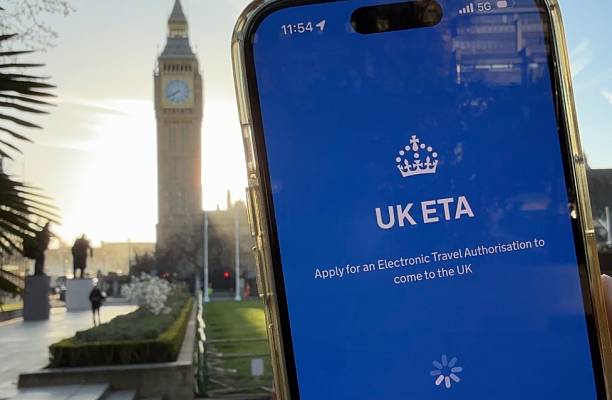
2. UK ETA
Going to the UK and need an electronic travel authorisation (ETA)? This is the official application for it. It allows travellers to complete the necessary identity and passport checks in one location, which is far easier than fumbling through websites or attempting to figure it out too close to departure. It isn’t glamorous, but it does the job well.
3. Wanderlog
This is a wonderful option for tourists who prefer to have their entire trip set out plainly. You may plan out each day, rearrange stops, and keep bookings, notes, and routes all in one location.
It is especially handy for multi-city excursions or group travel, where a little planning can save a lot of back-and-forth later.
Before you depart, take a screenshot or export your daily itinerary to ensure that a weak signal does not disturb your journey.
4. TripIt
If your email becomes disorganised the moment you start arranging a trip, TripIt can assist in restoring some order. When you forward your confirmations, they are combined into a single itinerary that includes flights, hotels, train tickets, and reservations.
It’s easy, practical, and extremely beneficial when you need information quickly while on the go.
Set up a travel folder in your inbox and forward confirmations there as soon as they arrive.
5. PackPoint
Packing for Europe is rarely as simple as it appears, especially when the trip includes multiple locations, varying weather, and a couple of long train travels.
PackPoint assists by generating a list based on your destination, vacation duration, and activities. It takes the guesswork out of packing and helps you avoid carrying half your wardrobe just in case.
If you just have cabin baggage, turn on the laundry option.
6. Skyscanner
This is still one of the best tools for locating flights across Europe, especially if your travel dates are flexible and your budget is limited. Skyscanner allows you to compare routes quickly and easily, as well as search for hotels and car rental options. It’s the type of app that can save you money before your trip ever starts.
Look for one-way flights separately, as mixed low-cost combos can sometimes beat a conventional return pricing.
7. Flightly
For frequent flyers, Flighty is a slick iPhone software designed to track flights rather than book them. Its design is straightforward, with quick warnings, live tracking, and early notification when your arriving aircraft is already late.
The program can track inbound flights up to 25 hours before departure, and its updated Airport Intelligence tools include live airport boards that explain the likely causes of delays.
Flighty is best used as a flight-monitoring companion, but keep your airline’s app as well just in case.
8. Booking.com
This remains one of the most reliable apps for locating a place to stay, whether it’s a city hotel, flat, or guesthouse. Travellers keep returning because the filters are effective, confirmations are obvious, and communications with properties are integrated, making the total experience seamless and simple.
Sort by review score, then read the most recent negative reviews before booking.
9. Expedia
This app is ideal for travellers who prefer to have all of their travel details in one location. Flights, hotels, auto rentals, excursions, and packages are all integrated into the same app, making it especially beneficial for longer journeys.
It’s also worth considering if you want to compare combined deals before booking anything individually.
Compare package costs here, even if you don’t book through Expedia, because bundles can occasionally be less expensive.
10. Hostelworld
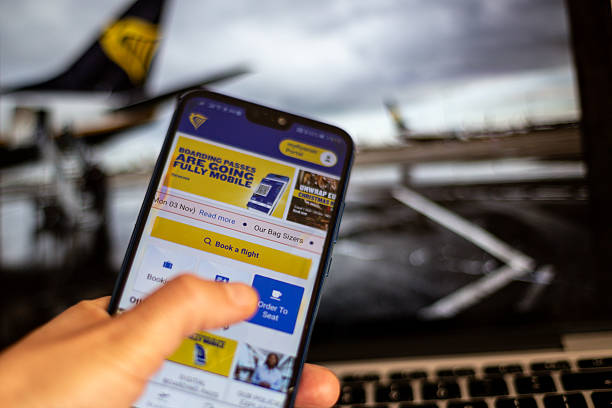
For backpackers, solo travellers, and anyone on a tighter budget, Hostelworld still deserves a slot. It boasts a vast selection of hostels and millions of ratings, making it ideal for determining the vibe before committing.
Some places appear nice in photographs, but the review section frequently discloses what the stay is truly like.
Use it to see whether a hostel is right for you, even if you book elsewhere.
11. Omio
This tool is extremely useful for getting from one European city to another without opening too many tabs. It compares trains, buses, flights, and ferries in a single search, making cross-border planning considerably simpler.
If you’re still unsure whether to take the train, coach, or fly, here is an excellent place to start.
Compare on Omio first, then double-check the operator’s website for pricey train lines.
12. Rail Europe
Rail Europe is a good alternative for visitors who want to travel across multiple countries by train. Instead of booking with each national rail company, you may search and book everything in one spot, which is especially beneficial for international travel.
Rail passes, mobile tickets, and extensive route coverage all combine to make difficult journeys feel more manageable.
For multi-country journeys, use Train Europe, but for domestic trips, check local train applications.
13. Rome2Rio
This software focuses on making sense of the travel rather than booking it. Enter your starting location and destination, and it will show you a variety of different routes, including trains and buses, ferries, airlines, taxis, and driving.
It is perfect for the initial planning stage, when you are still finding out how to get anywhere at all.
Use it early in the planning process rather than at the final booking step.
14. FlixBus
Looking for simple and inexpensive ways to travel between cities and across the country? Flixbus is the application for you.
It may not be the most glamorous alternative, but it is frequently practical, inexpensive, and available when rail fares appear overly optimistic.
Digital tickets and a simple booking process make it simple to use, particularly for travellers who prefer to save money over travel in luxury.
If rail fares unexpectedly rise, check FlixBus immediately. Other options include BlaBlaCar and ALSA Bus.
15. Google Maps
Google Maps is still the quiet workhorse of most travels. It handles directions, saved places, public transport, walking routes, and local recommendations, which is why so many travellers default to it.
It may not seem exciting, but standing in a new city looking for your hotel, tram stop, or dinner spot rarely disappoints.
Before visiting, download offline city maps to save data and avoid stress.
16. Citymapper
Citymapper can be extremely useful in larger European cities. It is especially effective in areas where public transportation is the primary mode of transportation, and it divides routes into simple steps that anyone can follow.
When metro lines, buses, and trams merge, this software makes the journey much more bearable.
Use it in major cities, then return to Google Maps outside of the urban core.
17. Google Translate
Google Translate is one of those programs that comes in handy time and time again while travelling. It is useful for menus, signage, train announcements, short conversations, and all of the minor linguistic moments that occur when travelling.
Camera translation and offline packs are particularly beneficial, and Google has also added Gemini-powered live translation with headphones to iPhones, making real-time speech translation more useful for tourists on the go.
Before leaving home, download the language packs, and if you have an iPhone, utilise the live-translate headphones feature for announcements or quick discussions.
18. DeepL
This is a good choice if you want translations that sound more genuine. It is particularly good for communications, slightly more complex content, and situations where tone is important. Google Translate is often faster at the moment, although many travellers prefer DeepL for smoother, less robotic phrasing.
For quick camera jobs, use Google Translate; for more complex text, use DeepL.
19. Wise
Wise is an extremely handy software for tourists switching currencies, particularly on extended trips throughout Europe. It makes it easier to track balances, exchange rates, and spending, reducing the stress associated with travel money. Multi-currency accounts and digital cards are especially useful when travelling to multiple countries with different payment systems.
Set a rate alert if you know you’ll need to transfer money soon.
20. Revolut
This is another alternative for European travel, especially for those who use it at home. It consolidates spending tools, swaps, cards, and budgeting features into a single clean interface, making day-to-day travel expenditures easier to manage. It is particularly beneficial for travellers who enjoy keeping a close check on where their money is going.
Carry a backup card in case of a cheque or temporary freeze.

21. Splitwise
Stuck trying to divide the expenses at the conclusion of the trip? Try it splitwise. When one person pays for lunch, another rents an apartment, and another purchases museum tickets, it’s easy to lose track of who owes what. But this software keeps track of everything for you, saving you time and a surprising amount of mild group-trip strain.
Start the group before the vacation begins to avoid rebuilding fees later.
22. GetYourGuide
This app is especially beneficial if you’re already on the ground and need to arrange something quickly, such as a museum appointment, guided tour, or last-minute activity.
The app is straightforward to navigate, mobile tickets are simple to use, and it serves as a useful backup plan if your initial plans sell out or break apart.
Use it to uncover quick alternatives if your initial strategy fails.
23. TripAdvisor
TripAdvisor may be considered a veteran in the digital travel age, but it still provides significant value for day-to-day decisions such as where to eat, what to see, and whether a destination is worth the time.
Its main advantage is familiarity. Most travellers are already familiar with how it works, and when you’re standing in a new neighbourhood searching for a quick answer, that convenience is important.
24. GuruWalk
GuruWalk is a valuable addition for tourists looking for free walking tours, particularly as a low-pressure method to settle into a new city. You may search by destination, compare excursions, and reserve a spot without paying up front. It’s a simple approach to establish your bearings, grasp the fundamentals, and begin exploring with more confidence.
Frequently Asked Questions
Which European travel applications accept several currencies?
The premier multi-currency app ‘Revolut’ was the eighth most downloaded software in Europe in 2025. It provides competitive interbank rates for spending in more than 150 currencies.
What apps offer language translation for European languages?
We recommend utilising Google Translate, DeepL Translator, Microsoft Translator, iTranslate, and SayHi Translate for language translation in Europe.
Which European travel applications are free?
Google Maps and Maps are two must-have free travel apps. I, Google Translate, Rome2Rio, Omio, Wise, and Revolut, among others.