Tragic boat capsize off Libya leaves dozens of Nigerians feared dead
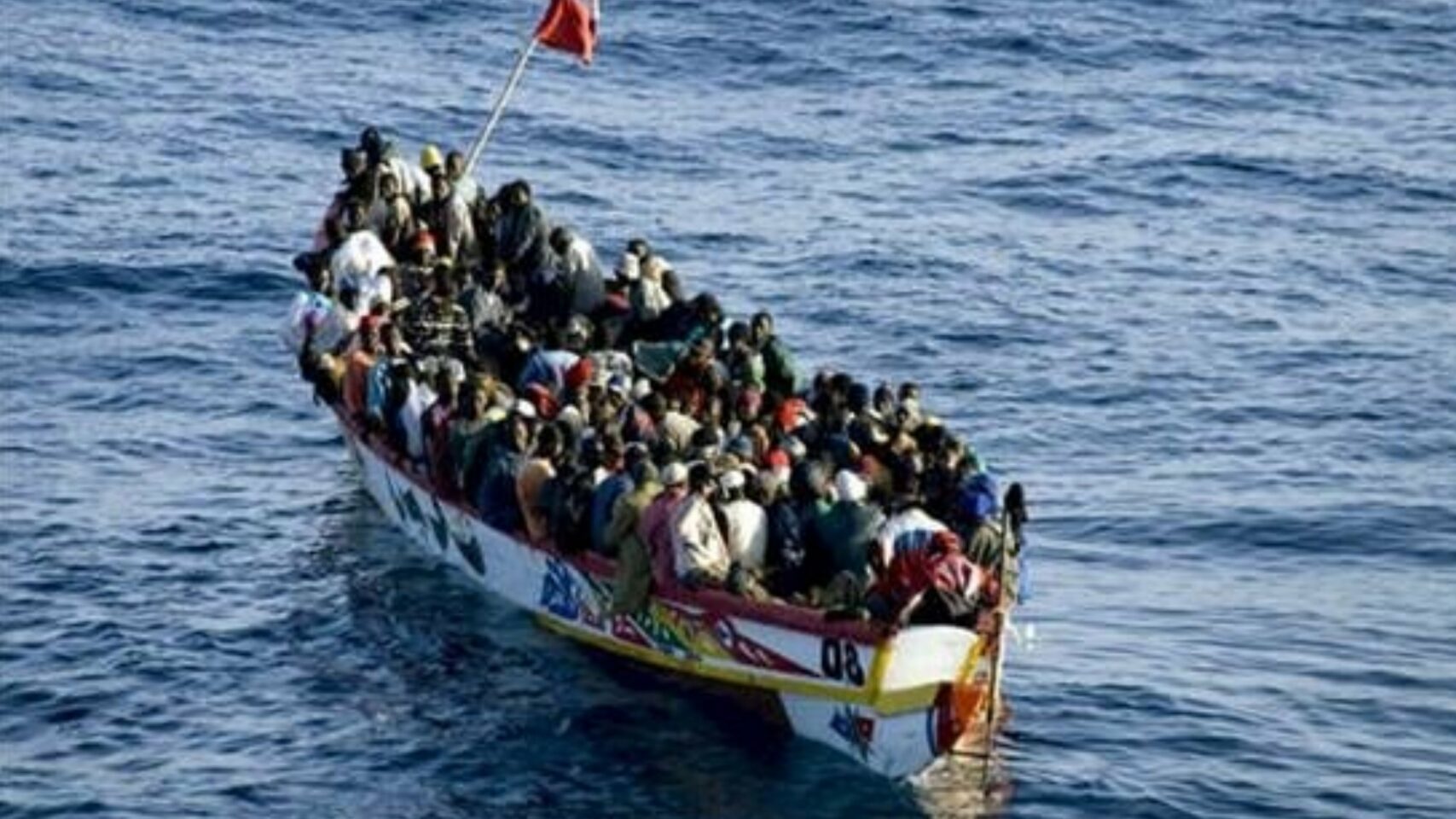
The International Organisation for Migration (IOM) has confirmed that 53 migrants, including several Nigerians, are feared dead after a rubber boat carrying 55 passengers capsized off the Libyan coast.
Only two Nigerian women survived the incident, which occurred north of Zuwara on February 6.
Deadly capsize off Libya’s coast
According to IOM, the survivors recounted heartbreaking personal losses. One woman lost her husband in the disaster, while the other said she tragically lost two of her children.
Both were provided with emergency medical care immediately after being rescued, in collaboration with relevant Libyan authorities.
The vessel, carrying migrants from various African countries, departed Al-Zawiya around 11 p.m. on February 5.




Nigerian survivors share heartbreaking losses
About six hours later, it reportedly took on water and overturned, resulting in the deadly accident.
This incident highlights the ongoing risks faced by Nigerians and other Africans attempting to migrate via the Central Mediterranean route.
Data from IOM indicates that migration along this route remains highly dangerous.
In January alone, at least 375 migrants were reported dead or missing following multiple shipwrecks attributed to extreme weather conditions.
In total, more than 1,300 people went missing on the Central Mediterranean route in 2025, with the latest tragedy bringing the number of deaths or missing migrants in 2026 to at least 484.
IOM also warned that smuggling and trafficking networks continue to exploit migrants by pushing them onto unsafe, overcrowded vessels, exposing them to severe dangers and human rights violations.
The organisation emphasised the urgent need for safer, legal migration channels to prevent further loss of life.
The agency called for stronger international cooperation to protect migrants and curb the illegal networks that facilitate these hazardous crossings.
Authorities have urged the global community to implement protection-focused measures and expand safe migration pathways to prevent future tragedies along the Central Mediterranean route.