Tinubu bans raw shea nut export for six months
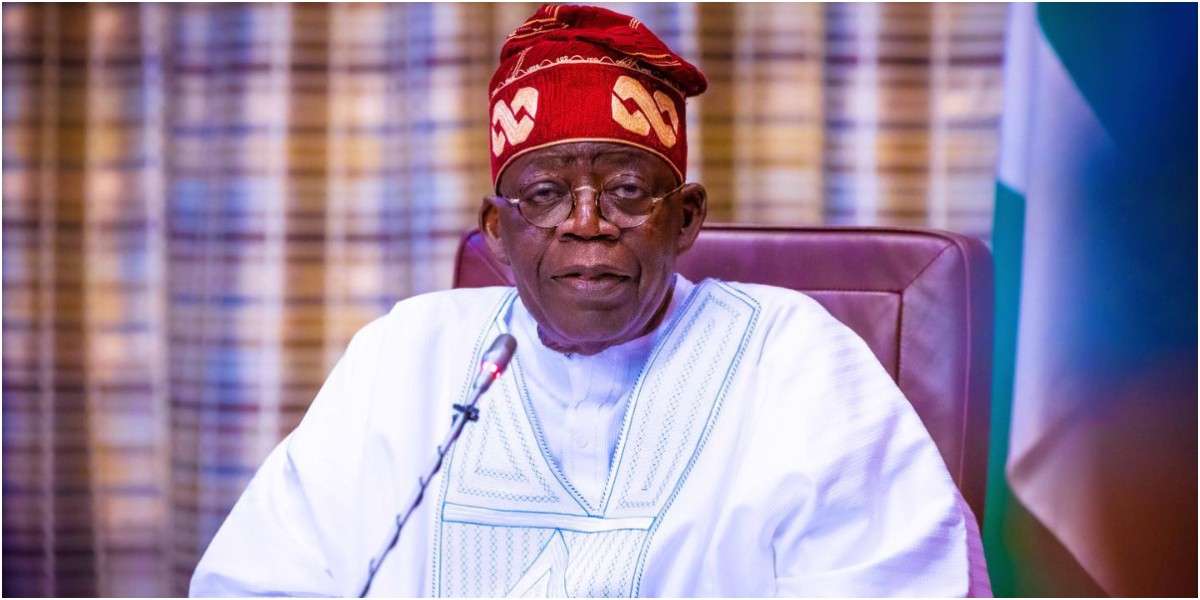
President Bola Ahmed Tinubu has imposed a six-month ban on the export of raw shea nuts as part of efforts to boost local processing and increase Nigeria’s share in the global shea market.
The decision, announced on Tuesday, takes effect immediately and will be reviewed after the six-month period.
The move is expected to protect the domestic shea value chain, drive industrialisation, and generate about $300 million in annual revenue in the short term.
Vice President Kashim Shettima, who conveyed the directive during a multi-stakeholder meeting at the Presidential Villa in Abuja, said the policy is designed to encourage value addition rather than stifle trade.
“This is not an anti-trade policy but a pro-value addition policy aimed at securing raw materials for our processing factories, creating jobs, boosting rural income, and empowering our people,” Shettima said.




He noted that Nigeria produces nearly 40 percent of the world’s shea products but controls only about one percent of the $6.5 billion global market, which he described as “unacceptable.”
“Our target is to earn around $300 million annually in the short term, and by 2027, we project a ten-fold increase,” the Vice President added.
Shettima further explained that the policy was agreed upon by both the Federal Government and sub-national stakeholders, stressing its importance to Nigeria’s economic transformation agenda.
He revealed that discussions are ongoing with Brazil to secure access for Nigerian shea butter and oil in its market within the next three months.
Highlighting the gender impact of the ban, Shettima pointed out that the shea industry sustains millions of women across Nigeria.
“By protecting the shea industry, we are protecting livelihoods, dignity, and opportunities for women,” he said. “We are not closing doors; we are opening better ones. Today, we plant the seeds of an industry that will yield fruit for decades to come for our women, for our economy, and for Nigeria’s place in global trade.”
Minister of Agriculture and Food Security, Senator Abubakar Kyari, also underscored the benefits of the decision.
Kyari said the country has the potential to produce up to 900,000 metric tonnes annually and dominate the global shea economy if investments in processing and value addition are prioritized.