The Balance Between Chance and Skill in High-Risk Games
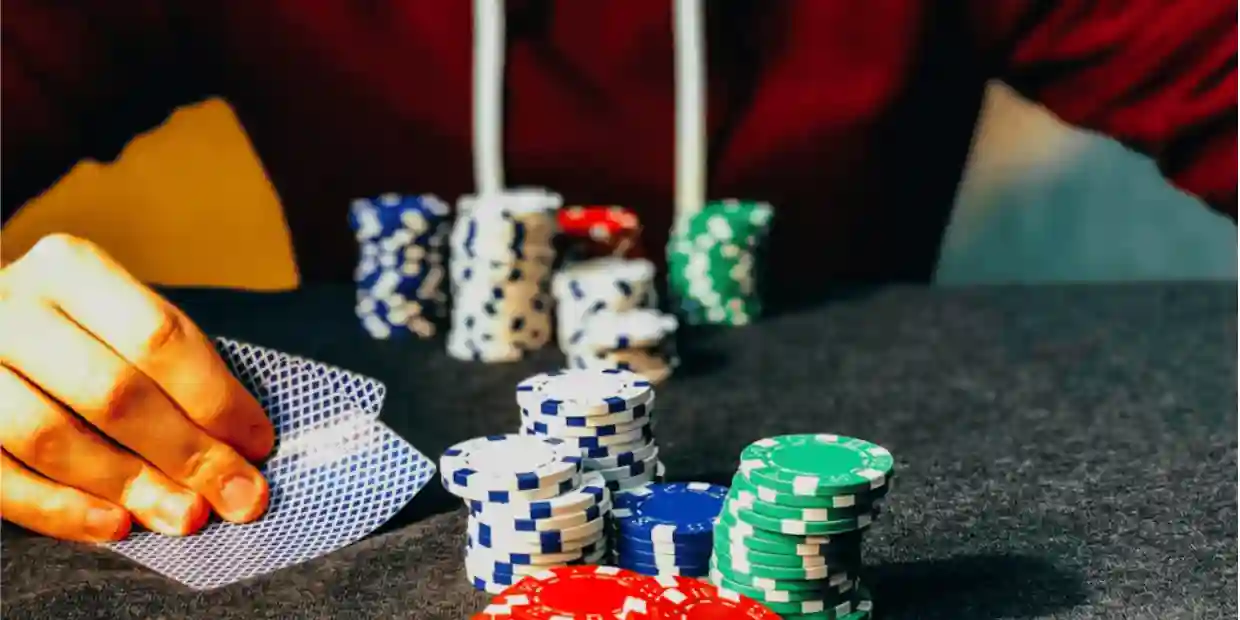
Gambling is an activity that many people around the world enjoy. It can be exciting, social, and sometimes rewarding. But when we look closely at sports betting, we see that two main factors play a big role: luck and strategy. Understanding these two ideas can help people make better decisions and enjoy gambling in a safer way.
Luck is a big part of most gambling activities. In many games, the outcome is completely random. For example, when you spin a roulette wheel or play a slot machine, there is nothing you can do to control the result. The numbers, symbols, or outcomes are decided by chance. This means that anyone can win or lose, no matter how experienced they are.
Because luck is so important, it is impossible to predict results with certainty. Some people believe they have a “lucky streak” or a “winning system,” but in reality, each game is usually independent. This means past results do not affect future outcomes. Just because you lost several times in a row does not mean you are more likely to win next time.
On the other hand, strategy can also play a role in certain types of gambling. Games like poker and blackjack involve decision-making. In these games, players can use knowledge, observation, and planning to improve their chances. For example, in poker, understanding your opponents and knowing when to bet or fold can make a big difference.
However, even in games with strategy, luck still matters. You can make the best possible decision and still lose because of an unlucky outcome. This is why gambling can feel unpredictable and sometimes frustrating.




A common mistake people make is believing they can control luck. They may follow certain patterns, rituals, or systems, thinking it will increase their chances of winning. While strategies can help in some games, they cannot remove the element of chance. It is important to accept that losing is always a possibility.
Another important idea is risk. Every time you place a bet, you are taking a risk. The size of the risk depends on how much money you are betting and the odds of winning. Higher risks can bring bigger rewards, but they also increase the chance of losing.
Managing risk is a key part of responsible gambling. One simple way to do this is by setting a budget. Decide how much money you are willing to spend before you start, and do not go beyond that amount. This helps prevent serious financial problems.
Time management is also important. It is easy to lose track of time when you are focused on a game. Setting a time limit can help you stay in control and keep gambling as a fun activity rather than a habit.
Emotions can strongly affect gambling behavior. When people win, they may feel excited and confident. When they lose, they may feel frustrated or upset. These emotions can lead to poor decisions, such as betting more money than planned.
Taking breaks can help you stay calm and think clearly. If you feel stressed or emotional, it is better to stop playing and come back later. Gambling should be enjoyable, not a source of stress.
Another factor to consider is the environment. Online gambling platforms and casinos are designed to keep people playing. Bright lights, sounds, and rewards can make the experience more engaging. While this can be fun, it can also make it harder to stop.
Being aware of these influences can help you stay in control. Always remind yourself that gambling is a form of entertainment, not a way to earn money. Keeping this mindset can reduce the risk of developing unhealthy habits.
It is also helpful to understand the concept of the “house edge.” This is the advantage that the casino or platform has over players. It ensures that, over time, the house will make a profit. This is why it is difficult to win consistently in gambling.
Some players try to reduce the house edge by choosing games with better odds or using strategies. While this can slightly improve their chances, it does not guarantee success. The house edge is always present in some form.
Social influence can also play a role in gambling. Friends or online communities may encourage certain behaviors, such as placing bigger bets or trying new games. While sharing experiences can be fun, it is important to make your own decisions and stick to your limits.
For some people, gambling can become a serious problem. When it stops being fun and starts causing harm, it is important to take action. Recognizing the signs early can make a big difference.
In conclusion, gambling is a mix of luck and strategy. While some games allow for skill and planning, chance is always involved. Understanding this balance can help you approach gambling in a smarter and safer way. By setting limits, managing emotions, and staying aware of risks, you can enjoy gambling as a form of entertainment without letting it take control of your life.