Texas lightning raises concerns ahead of US World Cup games
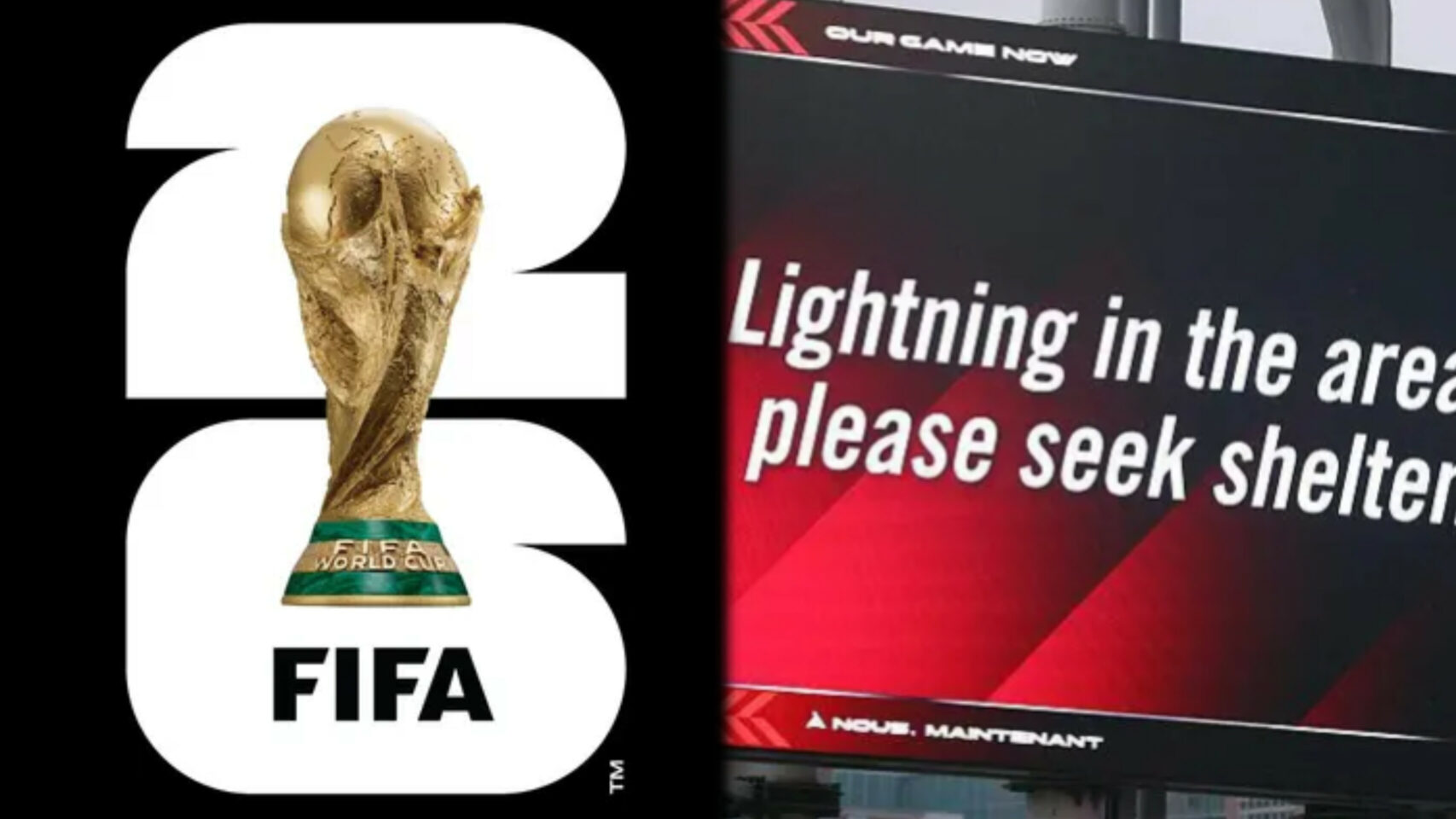
A lengthy weather-related stoppage during Saudi Arabia’s World Cup warm-up match against Puerto Rico has raised fresh concerns about the potential impact of thunderstorms on matches at the 2026 FIFA World Cup in the United States.
The international friendly at Q2 Stadium in Austin, Texas, was suspended in the 21st minute after lightning strikes were detected near the venue, forcing players off the pitch and spectators to seek shelter.
The match remained halted for almost two hours before play eventually resumed, with Saudi Arabia going on to secure a 3-0 victory.
Weather threat emerges before tournament kickoff
The incident comes just days before the start of the World Cup, which will be jointly hosted by the United States, Canada and Mexico from June 11.
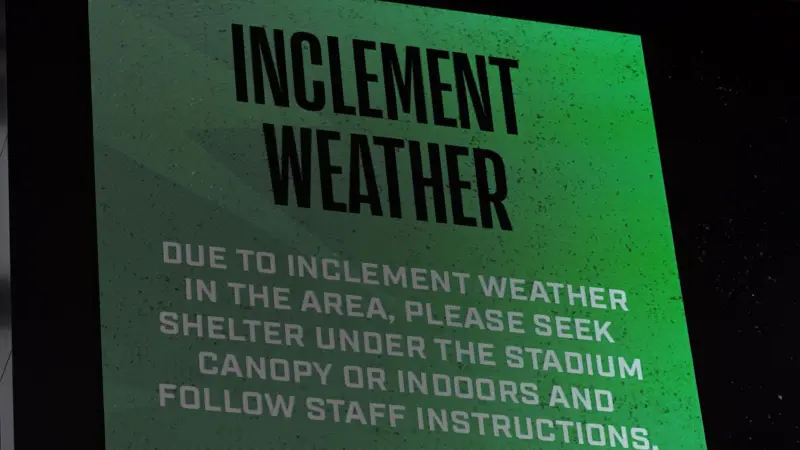
Several host cities in the United States are currently entering the peak of their thunderstorm season, increasing the possibility of weather-related disruptions during the tournament.




Under competition safety regulations, any lightning strike detected within eight miles of a stadium results in an immediate suspension of play. A mandatory 30-minute countdown is then activated, but the timer resets whenever another lightning strike occurs within the designated radius.
The repeated lightning activity in Austin led to the prolonged delay, highlighting a challenge organisers could face during the month-long competition.
Texas among key World Cup host locations
Although Austin’s Q2 Stadium is not scheduled to host World Cup matches, Texas will play a major role in the tournament.
Houston is set to stage seven matches, while Dallas will host nine games, including England’s group-stage clash against Croatia.
Both venues feature retractable roofs, which could help reduce disruptions caused by storms, although organisers will still be required to follow lightning safety protocols.
Weather concerns are not new to football events in the United States. During last year’s Club World Cup, several matches experienced lengthy delays due to seasonal thunderstorms. Chelsea’s last-16 clash against Benfica in Charlotte was among the most affected, lasting more than four hours after repeated weather interruptions.
In addition to storms, experts have warned that extreme heat could also pose challenges during the World Cup, with forecasts suggesting temperatures at several host venues may reach potentially dangerous levels.
The Saudi Arabia-Puerto Rico friendly has now provided an early reminder of the weather-related issues that could influence matches once the tournament gets underway.