Sharpeville Massacre: The History, Impact & Sacrifice
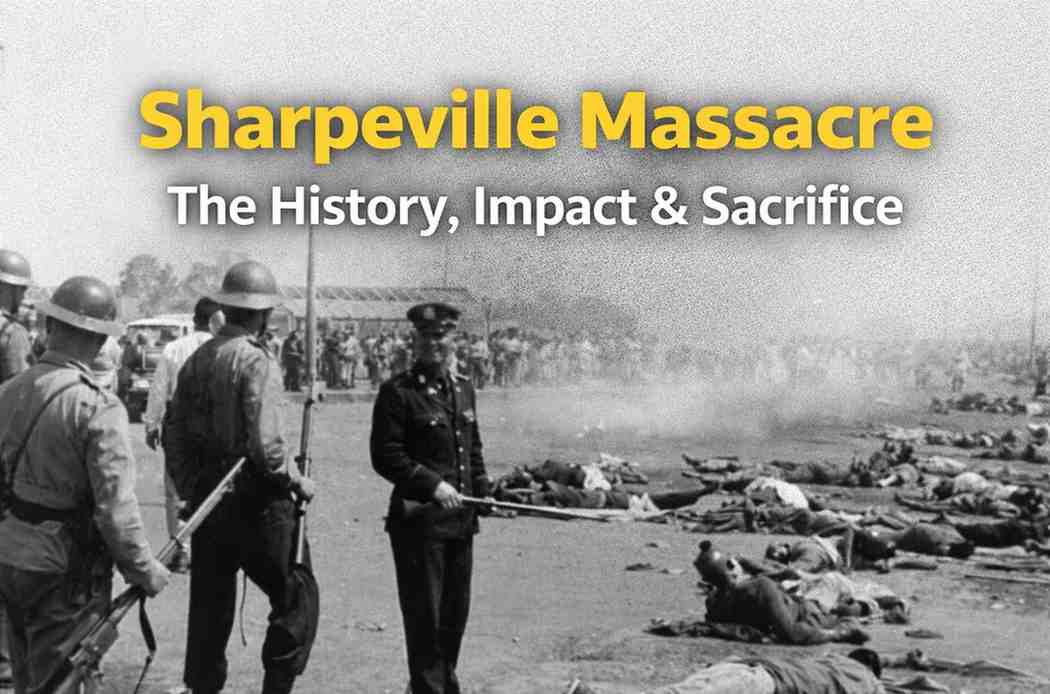
The Sharpeville massacre compelled the international community to confront apartheid’s cruelty in a way that could not be ignored.
Everything You Should Know About Sharpeville Massacre
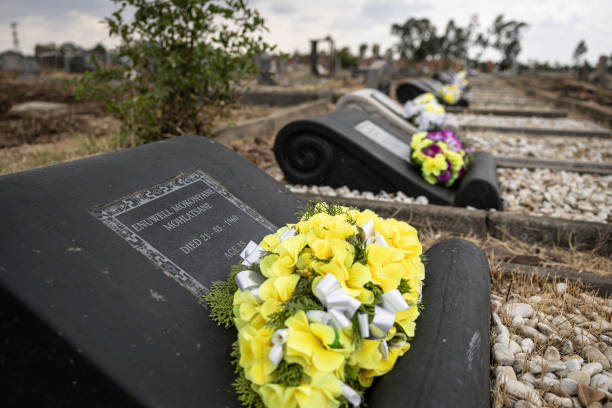
On March 21, 1960, police in the community of Sharpeville opened fire on an unarmed gathering protesting apartheid pass laws. 69 persons were killed, however, reports indicate that the death toll was greater. Several more people were injured.
The protesters were shot in the back as they fled. The youngest was 12 years old. His full name was James Buti Bessie. What happened that day was more than just a national disaster. It outraged the entire world’s conscience.
The Sharpeville massacre compelled the international community to confront the brutality of apartheid in a way that could no longer be ignored. Soon after the disaster, the United Nations Security Council passed a resolution denouncing the violence and urging South Africa’s government to renounce its racially discriminatory laws.
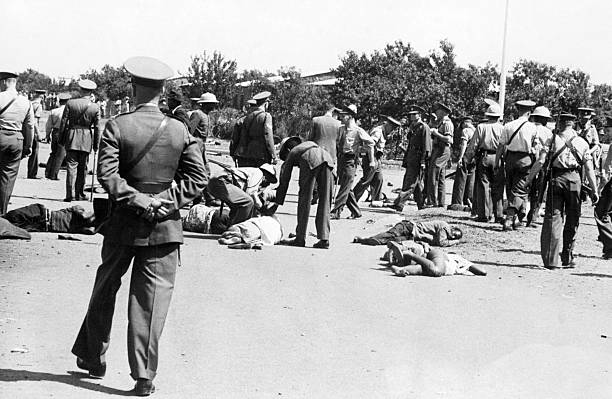
Investors withdrew from South Africa, and global opposition to apartheid gained pace. Out of that moment of sadness and fury grew something lasting: a global movement against racism and racial discrimination.




On December 21, 1965, the United Nations adopted the International Convention to Eliminate All Forms of Racial Discrimination (ICERD). Today, the Convention is one of the world’s most extensively ratified human rights treaties, with 182 State Parties.
Six years after the Sharpeville massacre, the United Nations declared March 21 as International Day for the Elimination of Racial Discrimination in commemoration of those killed.
More than six decades later, Sharpeville’s impact continues to live on and confront us.
The massacre exposed not just apartheid’s barbarism, but also how racial inequality was profoundly rooted in legislation, institutions, and everyday life. In 2026, 32 years after apartheid was abolished, racism and xenophobia remain persistent realities in the country, region, and around the world.
They can appear in explicit acts of hatred or in quieter and more insidious forms. However, whether blatant or subtle, their impact is enormous. And, as global trends have demonstrated, hard-won advances in democracy, equality, and discrimination can be reversed at an astonishing rate, altering lives and undermining human rights in both immediate and long-term ways.
South Africa, despite its extraordinary democratic journey, is still dealing with these issues. In a setting of high inequality and ongoing socioeconomic hardships, social cohesion has deteriorated, exacerbating the misery felt by vulnerable populations.
Women in rural regions struggle to obtain essential services, children seek safe modes of transportation, and migrants and refugees confront hostility when seeking basic healthcare and education. These experiences remind us that the fight against racial discrimination did not end with the demise of apartheid.
It endures wherever and whenever people are denied dignity because of who they are, where they came from, or how they appear.
Globally, the battle against racism received a fresh impetus in 2001 with the adoption of the Durban Declaration and Programme of Action (DDPA), which turns 25 this year. This is the most comprehensive global framework for addressing racism, racial discrimination, xenophobia, and related intolerance.
The Durban Declaration acknowledges the historical roots of racism, which include slavery, colonialism, and institutional injustice. It urges states to confront these legacies honestly, to achieve justice for victims, and to enhance laws and institutions that promote equality and dignity.
The DDPA is based on a simple but powerful principle: victims’ voices and experiences must influence the response. This means that eradicating racism entails more than just legislative and legal reform.
It is about acknowledging the humanity of those who continue to suffer the repercussions. The declaration also assigns responsibility not only to governments, but to society as a whole.
Education is one of the most powerful instruments we have. It must do more than just teach tolerance; it must prepare future generations to detect discrimination, question injustice, and stand up against it.
Governments must also take significant actions to address structural and institutional racism, which impedes economic progress and sustainable development.
Civic bravery is just as important. Racism frequently lives in quiet. Racism develops when prejudice is not challenged or exclusion becomes normalised. Each of us plays a part in breaking the quiet, whether in our neighbourhoods, workplaces, or public life, and sometimes even at the dinner table.
Sharpeville’s history tells us that terrible truths are frequently the catalyst for progress. It serves as a reminder to be cautious about abuses of power wherever they occur. It tells us that speaking out for what is right in a nonviolent and conviction-driven manner may shape a nation.
The slaughter sparked global opposition to apartheid and helped generate the international pressure that eventually led to its demise. However, recollection is not enough.
On this International Day for the Elimination of Racial Discrimination, we celebrate those who perished in Sharpeville not only by remembering their sacrifice, but also by renewing the commitment they helped inspire: a world where dignity is not dictated by race, ethnicity, or identity.
Although progress has been made, the promise of equality remains unfulfilled. Sharpeville serves both a warning and a call to action. It serves as a reminder that injustice may take root anywhere, and that opposing it takes our collective vigilance, unity, and courage. Thus, the promise of equality remains unfulfilled.
From the bloodbath in Sharpeville to the vows made in Durban to combat racism worldwide, the international community has repeatedly stated that such injustice must never be allowed to take root again. However, promises are only meaningful if they are followed by action.
The persistence of discrimination today necessitates that these pledges be reaffirmed not merely in words, but also via laws that safeguard, institutions that are accountable for maintaining equality, and the daily decisions we make as individuals and societies.
It is up to all of us to carry the flame of justice that the world so desperately needs, ensuring that Sharpeville’s legacy continues to lead our collective conscience.
Racial discrimination will not go away on its own; it must be addressed, confronted, and eliminated. It needs architects, individuals who are prepared to stand up and speak out when injustice is in the way.