Shadrack Sibiya Biography: Early Life, Career, Controversy, Wife, Net Worth
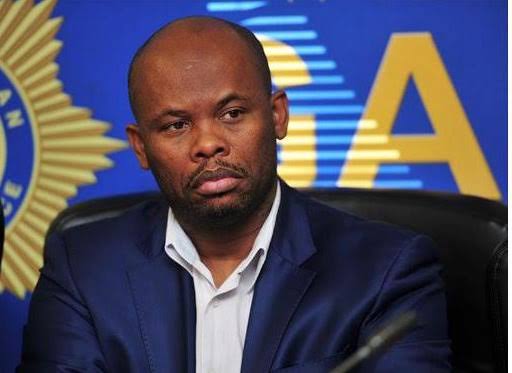
Shadrack Sibiya is a South African police officer born in Johannesburg in 1967. He is married to Helen Sibiya, his second wife. Sibiya is currently suspended from his position as Deputy National Commissioner – Crime Detection in the South African Police Service (SAPS) due to his association with drug cartel lords such as Vusimusi Matlala and Katiso “KT” Molefe. As one of five Deputy National Commissioners, he oversees detectives.
He rose through the SAPS command structure to a senior rank and commanded the Gauteng Hawks. In 2025, Sibiya became involved as a central figure in a high-profile dispute involving allegations of interference in sensitive police investigations, parliamentary testimony, searches of his home, and the suspension of senior officials. His situation has been the subject of court proceedings and numerous state investigations.
Shadrack Sibiya Biography
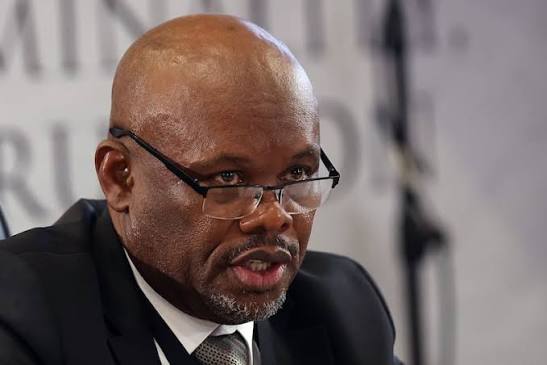
Shadrack Sibiya was born on July 15, 1967, in Johannesburg, South Africa, and raised in a household that valued education, hard work, and community involvement. Shadrack Sibiya’s education began in Johannesburg, where he attended both basic and secondary school.
He then pursued a career in law enforcement, enrolling in the South African Police Service (SAPS) Academy. His initial training centred on criminal justice, law enforcement strategies, and crime prevention. Sibiya’s education went beyond the school, as he received a diploma in criminal justice from the University of South Africa (UNISA) and obtained numerous criminology and forensic investigation certificates.
These certifications equipped him with the information and abilities he needed to thrive in his law enforcement profession and ascend to leadership positions within the SAPS. Sibiya’s commitment to education and professional development has played an important role in his career advancement.


Career
He started his police career in his early twenties as a student constable at the Hammanskraal Academy. Over nearly four decades, he worked in different divisions, including the detective branch in Knysna, before progressing to national investigative organisations.
Sibiya progressed through the ranks to become a senior investigator in the Directorate for Priority Crime Investigation (Hawks), where he oversaw the Gauteng provincial branch and the Commercial Crimes unit as a Brigadier.
He was fired from the SAPS in 2015 after being accused of illegal rendition of Zimbabwean nationals while working for the Hawks, but the Labour Court later ruled that his dismissal was procedurally and substantively unfair and ordered his reinstatement.
Following the ruling, Sibiya joined the City of Johannesburg as the Director of Group Forensic and Investigation Services (GFIS), where he oversaw anti-corruption investigations in local government.
In 2023, he returned to national policing and was promoted to Lieutenant-General after being appointed Deputy National Commissioner for Crime Detection. In that role, he controlled aspects of the national crime-fighting architecture and collaborated with specialist units, task forces, and intelligence.
Controversy
The National Police Commissioner, Fannie Masemola, placed Sibiya on special leave (later described as suspension) in July 2025 after allegations surfaced that he interfered with the handling of a set of politically sensitive dockets held by the Political Killings Task Team, a police unit established to investigate political assassinations, and that Sibiya attempted to redirect the team’s case dockets to his office.
Sibiya disputed elements of his suspension in court, but in September 2025, his Pretoria High Court bid to return to work was denied, with the court declining to reverse the decision to place him on leave while investigations were ongoing.
Sibiya became a focus of public controversy after KwaZulu-Natal police head Lieutenant-General Nhlanhla Mkhwanazi and others made explosive public allegations about the disbandment by Sibiya and Police Minister Senzo Mchunu without the knowledge of the National Commissioner.
Mkhwanazi publicly accused senior figures like Sibiya, Mchunu, and others of obstructing or undermining investigations; his allegations implicated an array of senior officials and prompted executive, parliamentary, and prosecutorial responses.
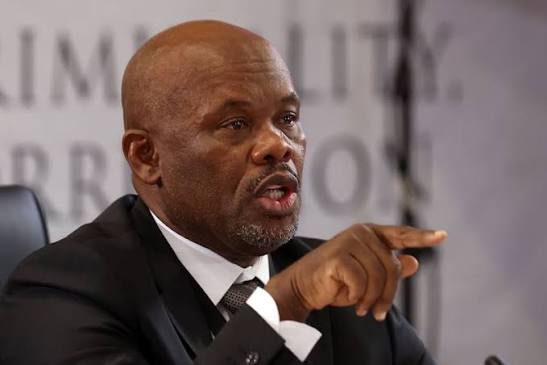
When Sibiya appeared before the Ad Hoc Parliamentary Committee in October 2025 to speak regarding his involvement and decisions in the disbandment, he denied being a “rogue” officer and refuted allegations that he conspired with criminals or unlawfully redirected dockets.
He denied friendships or inappropriate interactions with specific criminal suspects while acknowledging that he knew several people in the policing community. The parliamentary committee has continued to monitor the situation and has requested additional information and proof from the parties involved.
In October 2025, law enforcement agencies, including the National Intervention Unit, the Special Task Force, and Crime Intelligence sections, raided Sibiya’s Centurion home and seized electronic devices for forensic analysis as part of ongoing investigations into Sibiya.
Meanwhile, he described the raid as a politically motivated attack on him and said it was part of an intimidation campaign against him before his parliamentary appearance.
Sibiya was related to several sensitive investigations, including those into politically motivated assassinations and the high-profile murder of public personalities such as Senzo Meyiwa, due to his senior investigative police function with the detective teams under his command.
Sibiya’s predicament has exacerbated political tensions in South Africa’s security sector.
The allegations against him and other senior officials prompted calls for independent investigations; they played a role in President Cyril Ramaphosa’s decision to place Mchunu on special leave and establish the Madlanga Commission to investigate claims of collusion between state officials and organised crime, as well as to suspend senior political figures pending the outcome of the investigations. Opposition parties and civic organisations have called for transparency and rapid action to restore public trust in policing institutions.
Sibiya has been involved in civil litigation with the SAPS about the legality of his suspension and the administrative actions taken against him. Several investigations – internal disciplinary, criminal, and legislative – have continued in tandem, with additional court proceedings expected as evidence is evaluated and prosecution decisions are considered.
He claims that the friction between him and Mkhwanazi stems from the National Commissioner position that needs to be filled. Witness F informed the Madlanga commission in February 2025 that Sibiya employed him as a courier to collect cash from Katiso Molefe and Vusimuzi Matlala. Matlala allegedly gave the suspended Deputy Police Commissioner 20 Impalas.
Shadrack Sibiya Wife
Shadrack Sibiya is married with children, yet their identities and personal information are kept confidential.
Shadrack Sibiya Net Worth
Shadrack Sibiya’s net worth is expected to range from $1.2 million to $4.5 million by 2025. His fortune is mostly derived from his long tenure with the South African Police Service (SAPS) and different senior positions within the institution.