Only 17 left: 239 First-class lecturers quit UNILAG over poor pay
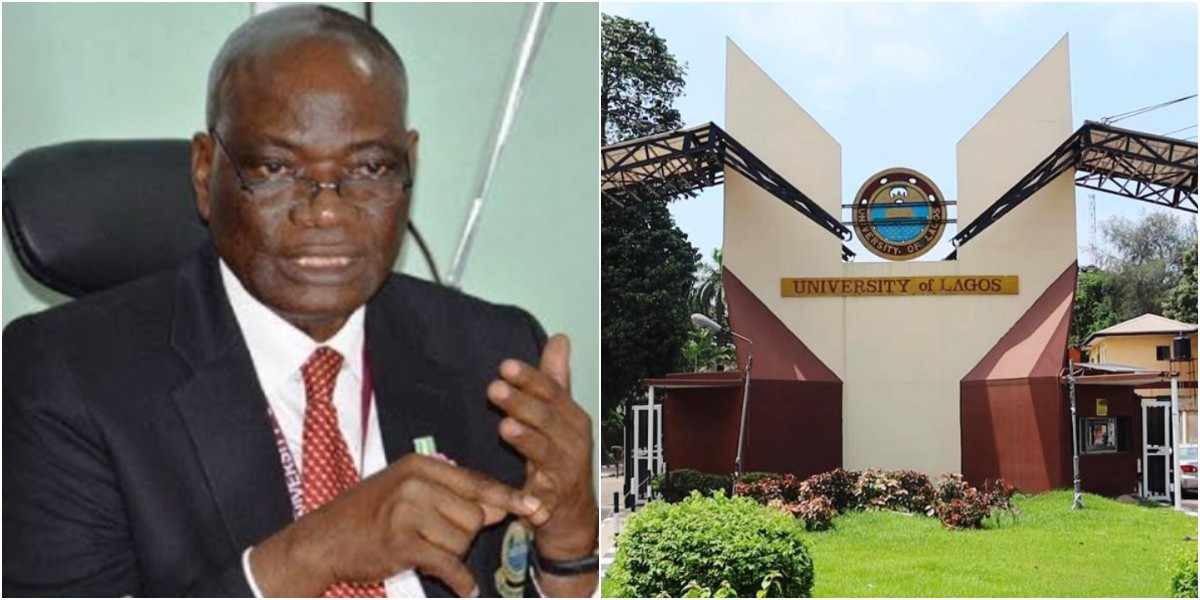
Over 239 first-class graduates employed as lecturers at the University of Lagos (UNILAG) have reportedly left the institution within seven years due to poor pay and harsh working conditions.
This was revealed by the immediate past Vice-Chancellor of UNILAG, Prof. Oluwatoyin Ogundipe, on Tuesday while delivering a lecture at The PUNCH Forum held in Lagos.
According to him, between 2015 and 2022, UNILAG hired 256 first-class graduates as lecturers, but by October 2023, only 17 of them remained.
“At UNILAG, we decided that those with first-class honours should be employed. What is remaining is not up to 10 per cent. All of them have gone. One day, I asked the man in charge to give me this information,” Ogundipe said.
The former VC blamed the mass exit on low salaries, lack of motivation, and poor infrastructure.




He warned that if the trend continues, Nigerian universities risk facing two major crises in the next decade: female dominance in academia and a decline in the quality of postgraduate students.
“In 2015, 86 were employed; in 2016, 82; during my time, that is, 2017 to 2022, 88 were employed. As of October 2023, only 17 were on the ground. They have gone. Very soon, in the next 10 years, you will have only females in the universities if something is not done.
“Many of us are tired. By the time you get home, there is no light, and the Federal Government is saying they are giving us N10m to access as loans. You can see how our lives have been devalued. Can I use N10m to build a security post?”
Ogundipe also lamented the chronic underfunding of Nigeria’s education sector, noting that federal and state allocations to education have consistently remained below 10 per cent, far short of UNESCO’s recommended 15 to 26 per cent.
“In the last decade (2015 to 2025), Nigeria’s education sector has faced tremendous fiscal restraint. Federal budget allocations — even after headline increases in absolute naira terms — have consistently remained below 10 per cent, and most years hover between 4.5 and 7.5 per cent.
The consequences of chronic underfunding are immediate and profound: Nigeria has the highest number of out-of-school children worldwide, estimated at between 10 and 22 million.
Over 60 per cent of primary education funding is absorbed by teacher salaries, often with little left for capital expenditure or innovation.”
He urged the government to legislate an annual allocation of at least ₦1 billion for each first-generation university to tackle infrastructural decay. He further called for innovative funding strategies such as public-private partnerships, alumni endowments, philanthropy, education bonds, and diaspora investment.
“The private sector should see education support not just as social responsibility but as enlightened self-interest in building the workforce, the talent, and the markets of tomorrow.
“To alumni, home and abroad, remember that the institutions that made you now need you. Give, mentor, endow, advise, and advocate for your alma mater and the next generation.
“To civil society and faith-based groups, continue to be the vanguards of inclusion, equity, and grassroots school transformation. To the Nigerian media, lead the narrative, demand reforms, report boldly and analytically, and make education funding a national priority.
“To international and donor agencies, partner with us, but let us increasingly build our domestic resource mobilisation and institutional resilience. Above all, to every Nigerian, let us see education as the most sacred trust we must pass to our children. Our fingerprints, our footprints, our names should be found in the library buildings, the digital labs, the scholarships, and the lives changed.”
Ogundipe stressed that prioritising research, technology, and teacher welfare is crucial if Nigeria is to prevent a deeper crisis in its university system.
The event was attended by top PUNCH management and editorial staff, alongside academics and education stakeholders.