Not all coups are bad, some emerge from genuine public outcry – Paul Kagame
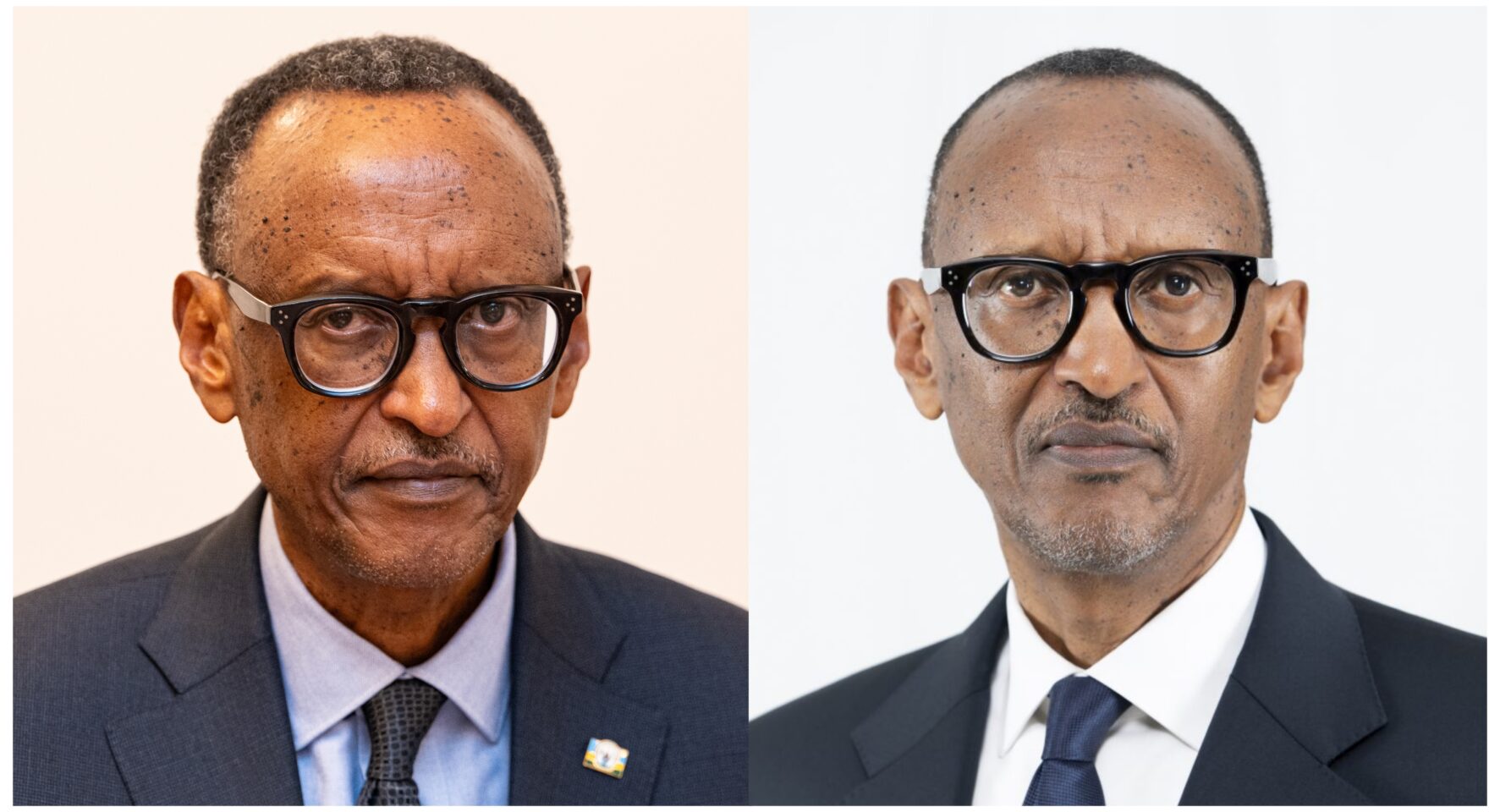
Rwandan President Paul Kagame has stirred fresh debate across Africa after arguing that some military coups can be justified if they confront corruption and governance failures, rather than serve personal ambition.
Speaking during a recent press interaction, Kagame said coups often reflect deeper problems within civilian governments. Clips from the exchange have since gone viral on social media.
‘Not All Coups Are the Same’
“Where coups are taking place, it means there’s something wrong,” Kagame said. He drew a distinction between opportunistic power seizures and interventions driven by public anger against corrupt or abusive leadership.
According to him, some coups emerge from “genuine public outrage,” while others are simply attempts to hijack power.
Context of Rising Military Takeovers
Kagame’s remarks come amid a renewed wave of military interventions on the continent. In 2025 alone, Guinea-Bissau and Madagascar joined a growing list of countries that have experienced coups.



These developments follow earlier takeovers in Mali, Burkina Faso, Niger and Gabon, highlighting persistent political instability in parts of Africa.
Governance Failures Under Scrutiny
The Rwandan leader said the recent coups have, in some ways, validated long-standing concerns about corruption, election manipulation and repression in civilian administrations.
He suggested that such failures, when left unaddressed, create conditions that make military intervention more likely.
Kagame’s Record and Critics’ Concerns
Kagame has ruled Rwanda since 2000, after his rebel movement ended the 1994 genocide.
Under his leadership, Rwanda has gained recognition for economic growth, infrastructure development and low corruption levels.
However, critics accuse him of authoritarianism, limiting political freedoms and suppressing dissent, as well as involvement in regional conflicts.
Divided Public Reaction
The viral video, widely shared on X and other platforms, has generated sharp reactions.
Supporters praise Kagame for what they see as blunt honesty, arguing that coups may be defensible if they improve governance.
Opponents counter that military takeovers undermine democracy and constitutional order, regardless of motive or outcome.
Clash With Continental Norms
The African Union maintains a firm stance against unconstitutional changes of government, often suspending countries following coups.
Kagame’s comments challenge this position, calling for stronger accountability mechanisms to check elected leaders who fail to govern responsibly.
A Wider African Debate
As Africa faces youth-led protests, economic pressure and political unrest—from Gen Z movements in East Africa to ongoing instability in the Sahel—the debate Kagame raised remains unresolved.
Analysts say the issue reflects a deeper tension between stability and accountability, and whether forceful rule or abrupt regime change can deliver lasting solutions.
Kagame has urged African leaders to confront corruption openly and engage citizens honestly, warning that failure to do so may invite further upheaval.