Nollywood Is No Longer a Local Industry; It Is Africa’s Next Billion-Dollar IP Export
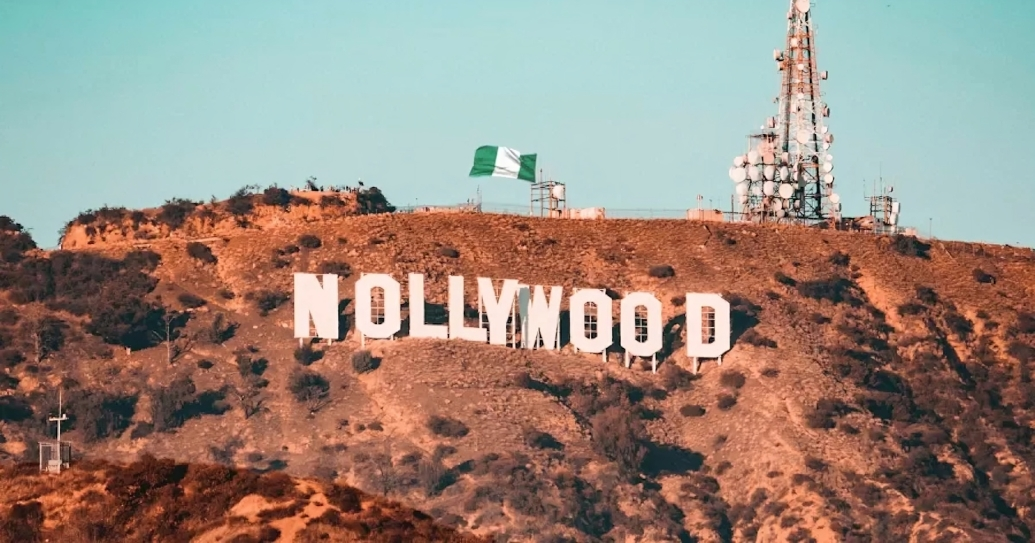
The Nollywood Industry, once stereotyped as a low-budget, high-volume film machine for local audiences, has evolved from the busy cities of Asaba and Lagos into a global powerhouse of intellectual property (IP). Unlike in the past, when value was based on the films themselves, now, it is exploring characters, narratives, and cultural patterns that can be licensed, franchised, and merchandised worldwide.
Africa, as a whole, is sitting on a goldmine of untapped IP, and it is time Nigeria leads the charge in monetising it, just as South Korea did with its famous K-dramas, India with its ever-entertaining Bollywood epics, and Japan with action-packed anime. As much as this is primarily entertainment, it is equally helping Africa build sustainable revenue pipelines that could transform the continent’s creative economy.
Nollywood’s Global Recognition
Using the popular streaming platform Netflix as an example, it has become a hub for Nollywood’s international attraction, with dozens of films gaining traction beyond Africa’s borders. A report by Legit.ng revealed that tens of African content, especially Nollywood films, have been listed on the movie streaming platform across its global catalogues.
To mention a few, hits like The Origin: Madam Koi-Koi, To Kill a Monkey, Blood Vessel, Omo Ghetto: The Saga, A Tribe Called Judah, The Black Book, Aníkúlápó, Shanty Town, Blood Sisters, and others succeeded and performed alongside global titles across regions.
Nollywood films brought in 39% of Nigeria’s total box office earnings in 2024, raking in a whopping N2.8 billion out of N7.4 billion. Topping the list was “A Tribe Called Judah”, which amassed over N1 billion on its own.




Nollywood did not make its way to the global platform through force, but by its craft and creativity of telling Nigerian stories in their truest, authentic form. Despite this momentum, the Nollywood industry remains stuck in a production-first mindset. An obvious pattern in the industry is how it pumps thousands of films annually but invests minimally in the backend: IP licensing, character ownership, franchises, and merchandising.
According to Data Horizzon Research, the intellectual property licensing market is valued at around $340 billion as of 2024, projected to reach $580 billion soon. In the U.S. alone, it is estimated to be in the hundreds of billions, which spans character toys to branded apparel, and the list goes on.
Underinvestment in Nollywood: A Missed Opportunity
Bollywood has established its merchandise through iconic characters, and Japan has its billion-dollar anime merchandising. However, Nollywood seems stuck with only viewership after every film release.
Take South Korea, for instance: the “Korean Wave” turned K-dramas and K-pop from a $1.31 billion export industry in 2005 into $13.34 billion in 2023, as reported by the Korean Times. This is not mere entertainment but a planned “soft power economy” that promotes tourism, consumer goods exports, and national branding. In case you are wondering how this was made possible, Korea achieved it through investments, including government subsidies for content creation, international co-productions, and extended IP protection that enables licensing deals with global platforms.
Similarly, Japan’s anime industry utilises franchises like Pokémon to generate revenue from games, toys, and spin-offs that far exceed box-office earnings. India also has a grip on this with Bollywood’s worldwide consumption, which has turned films into merchandise empires.
Replicating and Innovating the IP Model
Nollywood needs to overhaul its entire ecosystem to unlock its IP potential through this simple process.
- Prioritise story bibles and long-term IP planning by developing detailed character guides that allow for sequels, spin-offs, and adaptations.
Establishment of dedicated writers’ rooms will promote collaborative scriptwriting that builds franchise-worthy stories, just as Hollywood’s Marvel model. - Nollywood must pursue cross-market distribution by targeting Latin America, the Middle East, and African diaspora communities in Europe and the U.S., where cultural relationships already exist. It is noteworthy that this initiative already exists, with over 500 African talents benefiting from training programmes for creatives on IP exploitation through licensing and merchandising.
- Government incentives: Tax breaks for creative exports, reformed copyright laws to strengthen IP rights, and funding for international partnerships.
As an entertainment journalist deeply interested in African media, I believe we have an economic need to amplify these culturally rich Nigerian stories on the world stage. While the global narratives have sidelined Africa’s voices for a long time, Nollywood’s IP engine can change that by exporting not just films but pride, innovation, and economic empowerment.
It is time for Nollywood to shift from its survival mode to strategic dominance. If we act now, our movie industry will not just entertain the world but will own a piece of it.
**By Ismaila Yinusa – Head of Desk, Entertainment at Legit.ng