Nigeria’s Love for Football: The Heartbeat of Sports Culture

Football isn’t just a sport in Nigeria, it’s a way of life. From the bustling streets to the grand stadiums, football has become deeply ingrained in the fabric of Nigerian society.
The power of football unites the nation, bringing people together and shaping its sporting culture.
Football has always been able to bring people together, this is now more than ever in Nigeria.
Football doesn’t discriminate or judge, regardless of age, gender or social status, Nigerians will stand behind their national team together.
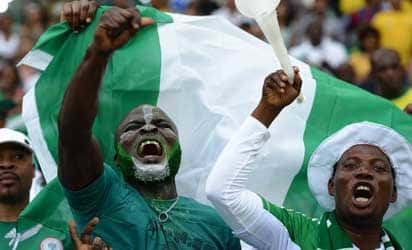
Fans gather during major tournaments, painted in green and white, supporting their team from their homes, bars and public viewing centres.
![UCL: Gyokeres told he was 'barely visible' during Sporting vs Arsenal clash Viktor Gyokeres endured a frustrating return to Lisbon as Arsenal squeezed out a 1-0 win over Sporting CP in their Champions League quarter-final first leg, with the striker coming under heavy criticism from the Portuguese media. The Swedish forward, who previously starred for Sporting, was largely ineffective throughout the encounter at the Estadio Jose Alvalade. Despite a strong reception from home supporters, his performance failed to match expectations. Local outlet A Bola summed up his performance bluntly, stating: “The striker celebrates with a mask, [but] seemed masked: he was barely visible.” Other publications echoed similar sentiments, with O Jogo noting that Sporting “stifled” their former talisman, while Público described him as “largely absent from the game.” Gyokeres, who scored 97 goals in 102 appearances during his time in Portugal, managed just 17 touches and struggled to impose himself against a defence that appeared well-drilled in neutralising his strengths. Numbers speak to a difficult outing Statistically, his performance showed lack of impact. His only notable involvement came in the build-up to a disallowed goal for Martin Zubimendi, where he was flagged offside. A late effort on goal, comfortably handled by Rui Silva, summed up an underwhelming night for the forward, who was unable to replicate his usual clinical edge that led Arsenal to invest heavily in his signing. Substitutes changed the game With Gyokeres struggling to influence play, Arsenal manager Mikel Arteta turned to his bench for inspiration. The introduction of Gabriel Martinelli and Kai Havertz proved decisive. Havertz eventually delivered the breakthrough with a stoppage-time winner, sealing a narrow advantage for the Premier League side ahead of the second leg in London.](https://www.gistreel.com/wp-content/uploads/2026/04/InShot_20260408_124324008-220x124.jpg)



Football’s Impact on Sports Culture in Nigeria
Football has had a huge impact on the sports culture in Nigeria. It has inspired generations of young Nigerians to pursue their dreams of becoming professional footballers.
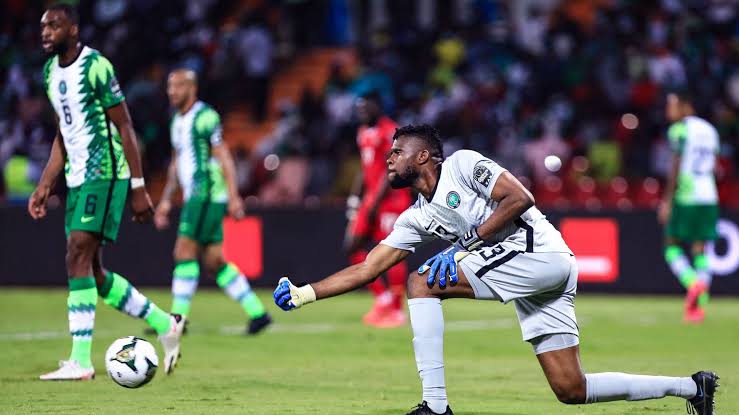
From a young age, children can be seen playing football in the streets, using makeshift goals and balls made from rags.
This passion for the sport has created some of Nigeria’s greatest footballing talents.
Football has also become a major source of entertainment and recreation in Nigeria.
Sports betting culture has become more and more popular in Nigeria thanks to the sport.
Supporters enjoy taking part in betting to show support for their team, especially with the amazing promotions online casinos offer.
The information on the BetKing withdrawal rules can help to give more information about the process, including the different requirements for withdrawing bonus funds.
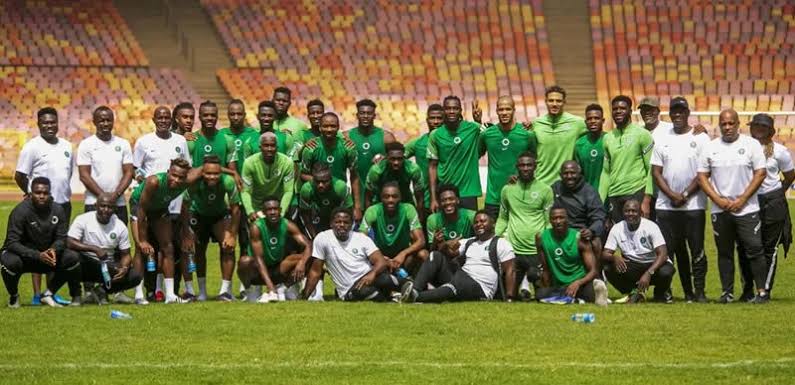
Additionally, local leagues and tournaments attract large crowds, creating a vibrant atmosphere filled with chants, cheers and the sound of drums.
Football has become a social event, bringing communities together and providing an escape from the challenges of everyday life.
Nigeria’s Sporting Heritage and Identity
Football is deeply rooted within Nigeria’s sporting heritage and national identity and has become a symbol of hope and resilience across the nation.
The sport represents the ability to overcome adversity and achieve greatness.
The success of Nigerian football teams, both at the national and club level, has brought international recognition and acclaim.
The Super Eagles’ triumphs in the African Cup of Nations and their participation in multiple FIFA World Cups have elevated Nigeria’s status in the global football community.
Nigerian footballers have become role models for aspiring athletes, inspiring them to believe in their own potential and pursue their dreams.
Football’s Economic Impacts on Nigeria
Football has provided more than culture to Nigeria; it has also become a significant contributor to Nigeria’s economy.
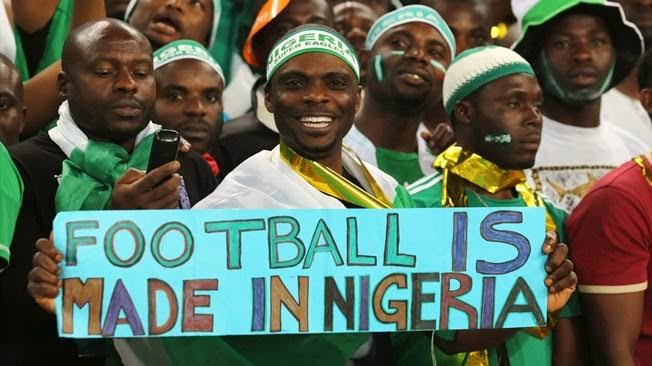
Ticket sales, sponsorships and merchandise all generate revenue. Football matches attract large crowds, boosting local businesses and tourism.
Additionally, the success of Nigerian players abroad brings in foreign exchange and enhances the country’s international reputation.
Football has become a lucrative industry, creating jobs and opportunities for many Nigerians.
In conclusion, football is the heartbeat of sports culture in Nigeria. It unites the nation, inspires young athletes, and shapes Nigeria’s identity.
From humble beginnings on the streets to global recognition, football has revolutionised the sporting landscape in Nigeria.
Its economic impacts are also significant, contributing to the growth of the country’s economy.
Football will continue to hold a special place in the hearts of Nigerians, fuelling their passion and love for the game.