National Siblings Day: How Sibling Bonds Shape Mental Health
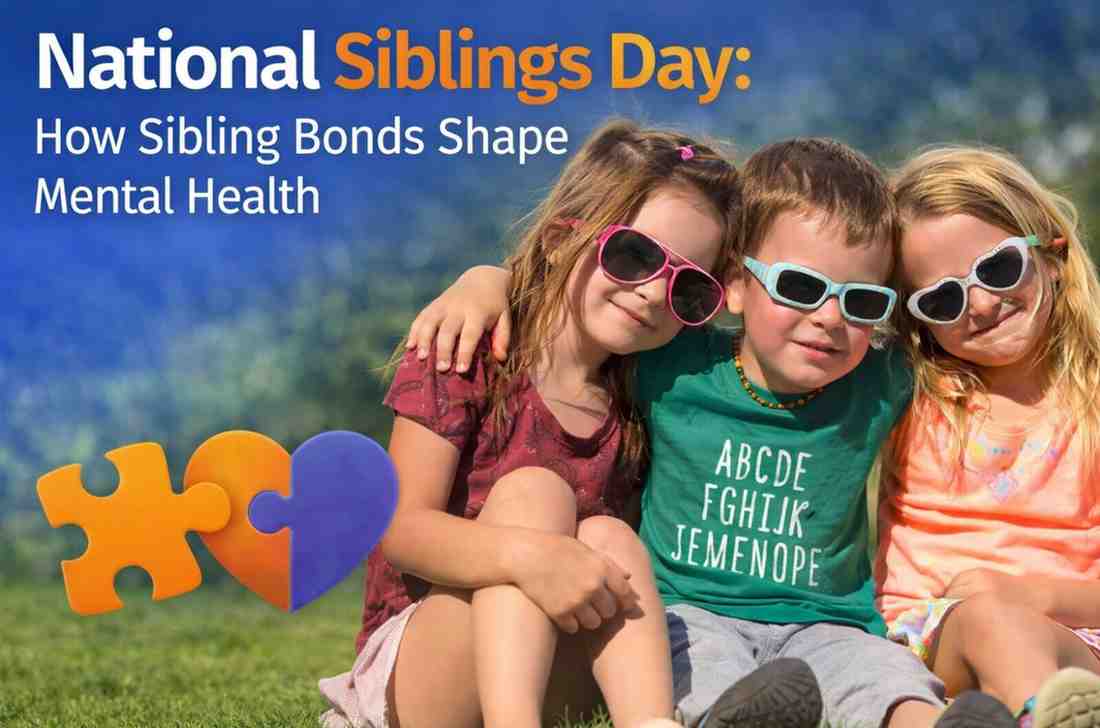
National Siblings Day is celebrated on April 10, and it honours the unique and often everlasting ties that brothers and sisters enjoy. This day serves as a reminder of the important function these ties play, as they usually last longer than many other personal connections in a lifetime.
Claudia Evart founded the annual commemoration in 1995, following the personal agony of losing her own brother and sister. Her campaign expanded personal grieving into a larger movement, emphasising the protective influence siblings may have on an individual’s mental well-being, as evidenced by research.
Claudia Evart’s tragic grief inspired the creation of National Siblings Day. After losing her brother, Alan, and sister, Lisette, in separate accidents at a young age, Evart wanted to make a permanent homage to the enduring nature of sibling connections.
She officially established National Siblings Day in 1995, selecting April 10 to commemorate her sister’s birthday. The Siblings Day Foundation was established in 1997 and became a nonprofit organization in 1999. While it has yet to be designated as a federal holiday, 49 state governors in the United States have officially recognised the day.
National Siblings Day: Why Sibling Relationships Are Crucial

Sibling ties are frequently seen as among the most permanent bonds in a person’s life. Unlike friendships or marital partnerships, which might fluctuate, the bond with a brother or sister usually provides a constant thread from childhood to adulthood and into old age.




Extensive psychological research has shown that strong sibling connections lead to better mental health. These ties have been shown to minimise emotions of despair and loneliness.
They can also serve as important emotional buffers during tough family situations, such as parental divorce.
These relationships contribute greatly to personality formation by providing a shared history, emotional support, and, in many cases, unconditional acceptance. Approximately 80% of Americans have at least one sibling, demonstrating the prevalence of these crucial dynamics.
Research on Sibling Impact on Mental Health
A significant 2010 study by Brigham Young University produced interesting insights on the power of sibling relationships. Researchers discovered that having a sister, in particular, protected teenagers from feelings of loneliness, rejection, guilt, self-consciousness, and dread.
Celebrating and Acknowledging Sibling Bonds
National Siblings Day encourages people to reflect on the significant people who have influenced their lives. Whether a sibling relationship is close or problematic, April 10 offers a special opportunity for reconnection and gratitude.
Celebrations can be as easy as making a phone call, sending a message, reminiscing about childhood memories, or publicly recognising their significance on social media. Some families prefer to have more in-depth conversations about thankfulness and reconciliation.
Conclusion
The creation of National Siblings Day fills a historical need in recognising these distinct family members. While parents and other extended family members have dedicated holidays, siblings, who provide steady assistance from childhood to retirement, lacked a designated day for decades until Claudia Evart’s idea in 1995, according to report.