Naira to Dollar rate today, Wednesday, March 4, 2026
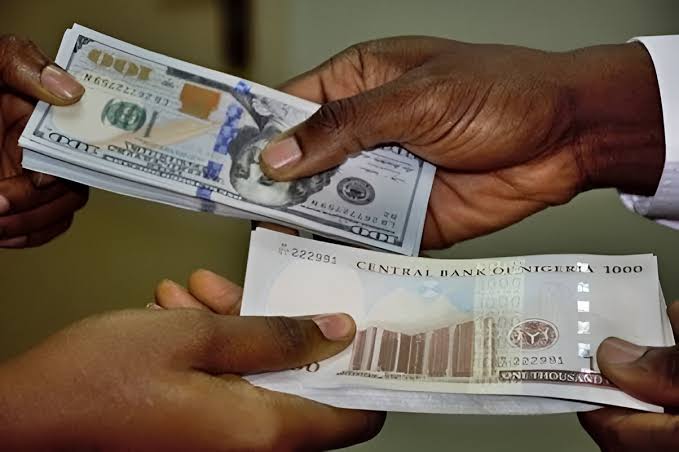
The Nigerian Naira traded at about 1,377 per dollar on Wednesday, March 4, 2026, as the Nigerian Foreign Exchange Market (NFEM) showed signs of controlled volatility.
Market data indicated that the local currency moved within a tight range during the mid-week session, reflecting ongoing price discovery despite sustained liquidity in recent weeks.
Official Market Performance (NFEM)
At the official window, the Naira opened at 1,379.05 against the US dollar. Early trades pushed the rate to a low of 1,376.02 before it recovered slightly.
By 7:30 a.m. WAT, the currency was quoted at around 1,377.04 per dollar.
The Central Bank of Nigeria (CBN) kept its closing rate close to 1,384.29. This reflects a mild depreciation compared with February’s average of 1,364.74.




Authorised dealers said demand for foreign exchange remains strong, especially for corporate remittances and manufacturing imports.
However, the CBN’s “willing-buyer-willing-seller” framework has continued to curb sharp and disorderly swings seen in previous years.
Parallel Market Trends
In the parallel market, the dollar traded between 1,385 and 1,395. The gap between the official and informal markets stayed narrow, ranging between 1.2 and 1.5 percent.
Currency traders in major hubs such as Lagos and Kano said the black market now largely serves retail demand. This includes personal travel allowances and small-scale business transactions.
The small premium suggests improved transparency and steady supply to Bureau De Change operators.
Analysts believe this has reduced speculative hoarding and helped anchor expectations.
Economic Drivers and Market Outlook
Several factors are shaping the exchange rate this week.
The CBN retained the Monetary Policy Rate at 26.50 percent after a recent 50-basis-point cut.
Inflation has eased to 15.10 percent, offering investors a positive real return and supporting the Naira.
Nigeria’s external reserves remain solid, giving the apex bank room to intervene when liquidity tightens.
Meanwhile, crude oil production stands at 1.46 million barrels per day. This steady output continues to provide foreign exchange inflows, helping to balance rising import demand in the first quarter.
Market analysts expect the Naira to trade between 1,375 and 1,385 at the official window for the rest of the week.
Investors are watching for fresh fiscal policy signals, particularly on energy sector reforms, which could shape long-term currency stability.