Naira to Dollar rate today, Wednesday, April 1, 2026
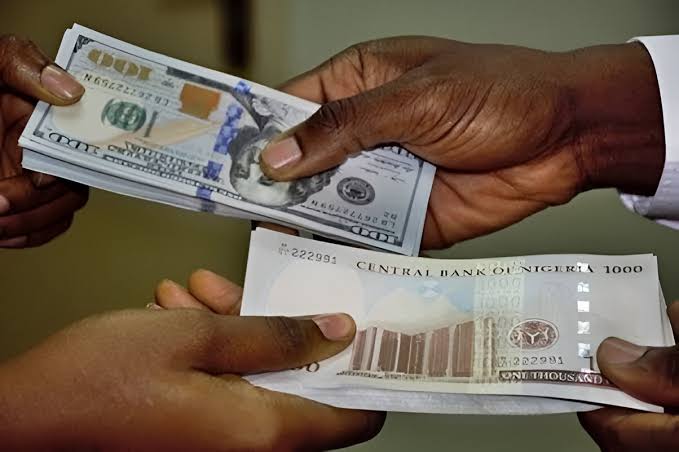
The Nigerian Naira opened the new month and second quarter of 2026 on a steady note, trading at ₦1,385.27 per Dollar at the official market on Wednesday, April 1.
The local currency showed resilience against the United States Dollar, maintaining a relatively stable range despite ongoing economic pressures.
Market activity at the start of April reflects a balanced environment, as the Central Bank of Nigeria (CBN) continues efforts to manage liquidity and tame inflation across the economy.
Official Market Holds Steady
At the Nigerian Foreign Exchange Market (NFEM), the Naira recorded slight movements during early trading hours but remained largely stable.
The opening rate of ₦1,385.27 per Dollar signals continued confidence in the official window.



This stability has been linked to the consistent use of the Electronic Foreign Exchange Matching System (EFEMS), which has helped reduce the sharp volatility previously experienced.
Traders say steady inflows from autonomous sources are supporting the market, especially as businesses begin fresh quarterly budget cycles.
Parallel Market Shows Similar Trend
In the parallel market, the Naira also held firm, reflecting the calm seen in the official segment. Across major cities such as Lagos, Abuja, and Kano, the Dollar traded between ₦1,405 and ₦1,418.
The gap between the official and parallel market rates remains relatively narrow, ranging from ₦21 to ₦34.
Analysts say this convergence highlights the impact of recent monetary policies, particularly the inclusion of licensed Bureau De Change operators in the formal supply chain, which has helped curb speculative trading.
Key Drivers of Stability
Several factors are shaping the current exchange rate outlook as April begins.
First, although the start of a new quarter often increases demand for foreign exchange due to corporate settlements, strong system liquidity—estimated at over ₦8 trillion at the end of March—has prevented sudden pressure on the Naira.
Second, Nigeria’s external reserves, despite a slight drop, remain solid at about $49.40 billion. This provides enough buffer for the CBN to continue stabilising the market.
Additionally, steady earnings from oil exports, particularly Bonny Light crude, are sustaining foreign exchange inflows and helping to meet demand.
Outlook for the Week
Financial analysts expect the Naira to trade within the ₦1,380 to ₦1,420 range in the first week of April.
Attention remains on the CBN’s next policy decisions, especially on interest rates, as it maintains a tight stance to control inflation.
Investors are also watching ongoing banking sector recapitalisation efforts, which are expected to strengthen the financial system and improve its capacity to handle large foreign exchange transactions.