Naira to Dollar rate today, Tuesday, March 31, 2026
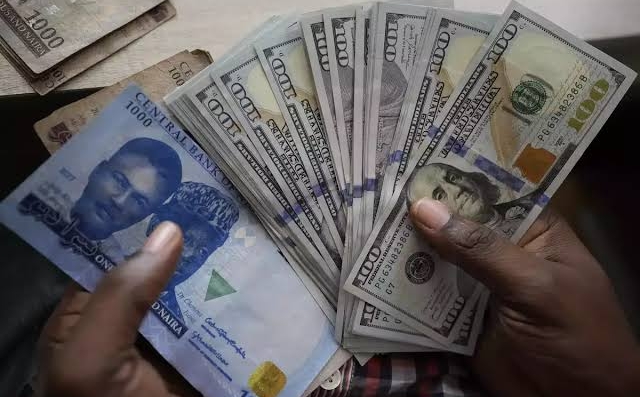
The Nigerian naira held firm against the United States dollar in the official foreign exchange market on Tuesday, trading around ₦1,383 per dollar, as the first quarter of 2026 closed with cautious optimism despite pressure on external reserves.
The modest gain signals a return to stability after fluctuations recorded earlier in March.
Steady Showing at Official Window
The naira’s performance at the official window continues to be supported by the Central Bank of Nigeria’s upgraded Electronic Foreign Exchange Matching System. The platform has improved transparency and price discovery in the market.
However, traders remain watchful as demand pressures linked to end-of-quarter corporate obligations and shifting capital flows persist.


Market participants say the central bank is still navigating a delicate balance to maintain stability.
Parallel Market Mirrors Stability
In the parallel market, often referred to as the black market, the naira also showed relative calm. Currency dealers in major cities such as Lagos and Abuja quoted the dollar between ₦1,405 and ₦1,420.
The gap between official and parallel market rates has narrowed significantly, now hovering between ₦22 and ₦35. Analysts view this as a positive signal in ongoing efforts to harmonise exchange rates.
Recent policy directions targeting remittances are also shaping sentiment. The decision requiring International Money Transfer Operators to channel inflows through naira settlement accounts has started reducing speculative demand, even ahead of its full rollout in May.
External Reserves Face Pressure
Despite exchange rate stability, Nigeria’s foreign reserves have recorded a decline. Data shows reserves dropped by about $547 million within two weeks, falling from $50.03 billion in mid-March to $49.48 billion at month-end.
The reduction is largely linked to continued market interventions and the servicing of external debt obligations.
Mixed Economic Signals
Some key economic indicators, however, offer a more encouraging outlook. Inflation has continued to ease, dropping to 15.06 percent in February, marking its lowest level in over four years.
At the same time, crude oil prices remain strong, with Bonny Light trading above $103 per barrel. Although Nigeria’s output still lags behind its OPEC quota, higher prices are helping to support government revenues.
In a notable policy shift, the Central Bank of Nigeria has also removed restrictions on international oil firms, allowing full and immediate repatriation of export proceeds. Experts believe this could improve investor confidence and boost capital inflows over time.
Outlook for the Second Quarter
Looking ahead, analysts say the naira may continue to trade within the ₦1,380 to ₦1,400 range in the near term.
This outlook depends largely on steady inflows from key sectors such as services and manufacturing, as well as the central bank’s ability to manage external pressures.
While the current stability offers some relief, attention will remain on reserve levels and policy consistency as the second quarter unfolds.