Naira to Dollar rate today, Thursday, March 26, 2026
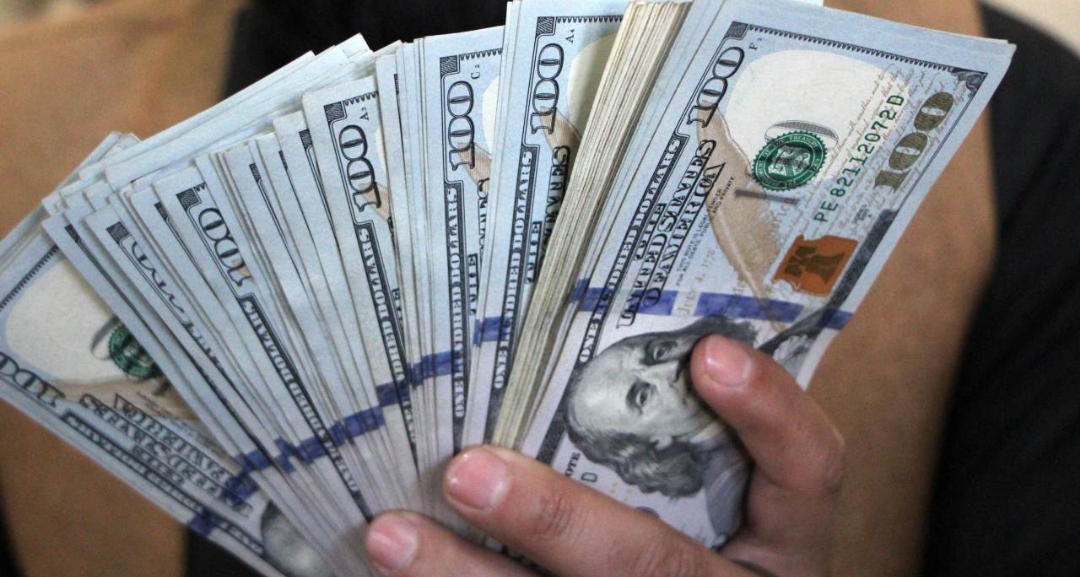
The Nigerian Naira traded with mild stability against the United States Dollar in early deals on Thursday, March 26, 2026, opening at ₦1,385.46/$ and strengthening slightly to ₦1,384.39/$ amid cautious market sentiment.
The early performance reflects a delicate balance between rising foreign exchange inflows and ongoing pressure from declining external reserves.
Traders say the market is still adjusting after a volatile start to the week.
Official Market Shows Mild Gains
At the Nigerian Foreign Exchange Market (NFEM), the Naira recorded a modest appreciation during the morning session. After opening at ₦1,385.46 per Dollar, it edged up to ₦1,384.39 within a few hours of trading.
This follows earlier fluctuations seen at the start of the week, when the currency weakened on Monday before recovering gradually on Tuesday and Wednesday.




Analysts link the relative calm to improved liquidity conditions. Data from FMDQ shows that foreign exchange inflows rose by 45 percent month-on-month to about $4.4 billion in February. The momentum appears to have extended into late March.
Experts believe Nigeria is attracting foreign portfolio investors seeking high-yield opportunities. These “carry trade” inflows are helping to support the Naira at the official window.
Parallel Market Holds Steady
In the parallel market, also known as the black market, the Naira remained largely stable against the Dollar.
Currency traders in major centres like Lagos (Broad Street) and Abuja (Wuse Zone 4) quoted the Dollar at around ₦1,415 for selling and ₦1,405 for buying.
The gap between the official and parallel market rates is now about ₦31. Although slightly wider than earlier in the week, it is still far lower than the wide margins recorded in previous years.
This narrowing spread aligns with ongoing efforts by the Central Bank of Nigeria (CBN) to unify exchange rates across markets.
Key Factors Influencing the Market
Several economic factors continue to shape the direction of the Naira as the first quarter of 2026 comes to an end.
The CBN has introduced new remittance rules requiring International Money Transfer Operators to channel diaspora funds through designated naira accounts. The policy aims to improve transparency and boost official FX supply.
Meanwhile, Nigeria’s external reserves have declined for the sixth straight session, dropping to about $49.60 billion. Analysts attribute this to sustained outflows linked to global uncertainties, especially tensions in the Middle East.
On monetary policy, the CBN is maintaining a tight stance to control inflation. Headline inflation has eased to 15.1 percent, but the bank remains focused on its medium-term target of 6 to 9 percent.
Market Outlook
Market watchers expect the Naira to trade between ₦1,380 and ₦1,420 in the coming days. While falling reserves pose a concern, underlying indicators suggest some resilience.
An increase in Nigeria’s gold reserves to about $3.5 billion is seen as a positive buffer, helping to strengthen confidence in the country’s external position.
Overall, the Naira’s near-term outlook will likely depend on sustained inflows, policy consistency, and global economic conditions.