Naira to Dollar rate today, Monday, December 1, as Dollar trades higher
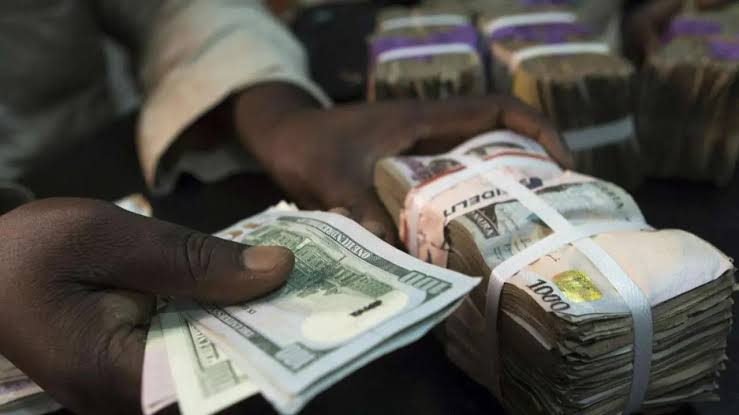
The US dollar gained ground against the Nigerian naira on Monday, driven by surging year-end demand for foreign currency.
Steady Official Rates Amid Rising Demand
In the official NFEM—operated by the Central Bank of Nigeria (CBN) as its key benchmark—the naira exchanged at approximately ₦1,440 to ₦1,446 per dollar. This stability was confirmed by CBN data and independent market trackers.
The official window’s consistency provides a reliable reference point for larger transactions, contrasting with the volatility seen elsewhere.
Parallel Market Sees Uptick in Dollar Prices
Parallel market operators, including bureaux de change in major cities like Lagos, Abuja, and Port Harcourt, adjusted their quotes upward. The dollar fetched around ₦1,455 for buying and ₦1,465 for selling.




This modest increase from the previous week stems from heightened buying by importers stocking up on goods and travelers preparing for holiday seasons. Such seasonal pressures often amplify demand in informal channels.
Key Factors Behind the Divergence
Experts point to limited liquidity in official forex channels, forcing many users toward parallel markets.
At the same time, the CBN’s recent policy tweaks—focused on curbing inflation—have fostered a more predictable environment.
The central bank is adopting a measured stance on interest rate reductions. This approach helps keep official rates in a tighter range, even as unofficial ones fluctuate with end-of-year needs.
Implications for Everyday Users and Businesses
For importers and companies handling dollar-based debts, parallel market sourcing now means marginally elevated expenses. This could squeeze profit margins during the busy festive period.
On a brighter note, those accessing the official NFEM—such as remittance receivers and smaller vendors—benefit from the steadier rates, offering some cost predictability.
Outlook: Watching CBN Moves and Inflows
Analysts predict the naira’s path in the coming weeks will depend heavily on CBN forex injections, crude oil revenues, and steady remittance streams.
December’s dynamics could either widen or narrow the gap between official and parallel rates.