Naira to Dollar rate today, Friday, March 27, 2026
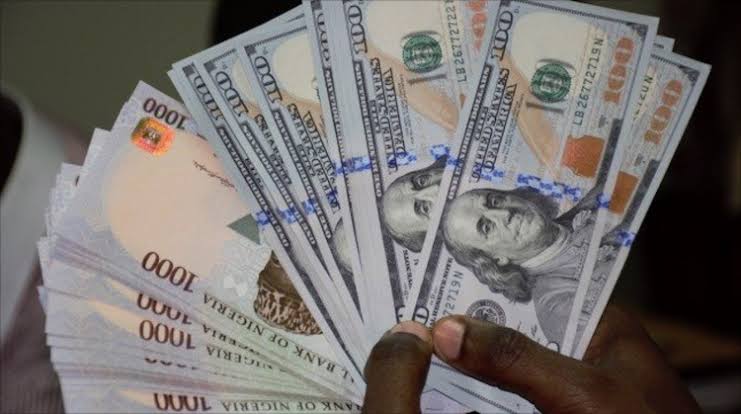
Nigeria’s currency, the naira, recorded modest stability against the United States dollar on Friday, March 27, 2026, trading around ₦1,350–₦1,370 at the official market.
The performance reflects ongoing efforts by the Central Bank of Nigeria to boost liquidity and manage exchange rate pressures in the foreign exchange market.
Naira Holds Narrow Range at Official Window
At the Nigerian Foreign Exchange Market (NFEM), the naira hovered close to ₦1,356 per dollar, showing only slight movements throughout the trading session.
Recent data suggests the currency has maintained a relatively tight range in March, largely fluctuating between ₦1,360 and ₦1,380. This marks a period of short-term stability when compared to earlier sharp swings.
Analysts say this consistency indicates a level of control in the official market, supported by policy interventions and improved dollar inflows.



Parallel Market Still Shows Higher Rates
In contrast, the parallel market continued to reflect stronger demand for foreign currency, pushing rates above official levels.
Checks from bureau de change operators in Lagos and Abuja showed the dollar selling between ₦1,400 and ₦1,420, depending on transaction size and location.
The persistent gap between both markets highlights ongoing imbalances, especially limited dollar supply against rising demand from importers and individuals.
Key Drivers Behind Current Trend
Experts attribute the naira’s recent performance to several factors, including improved foreign reserves, sustained interventions by monetary authorities, and global oil price trends.
However, they warn that demand-side pressures remain significant, preventing full alignment between the official and parallel exchange rates.
Outlook Remains Cautious
While the naira’s relative stability at the official window offers some relief, the continued disparity with the parallel market points to deeper structural challenges.
Market watchers believe that achieving full exchange rate convergence will require stronger liquidity, consistent policy direction, and broader economic reforms.