Naira to Dollar rate in Official & Black markets today, Monday, November 24
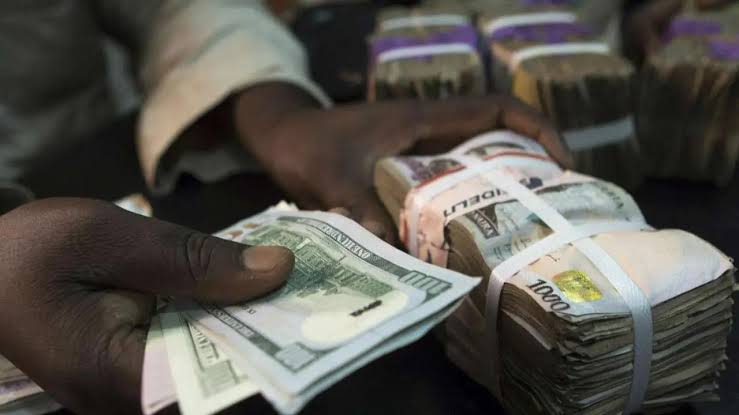
The Nigerian naira traded around ₦1,456 to the United States dollar at the Nigerian Foreign Exchange Market (NFEM) on Monday, 24 November 2025. The parallel market in Lagos quoted the greenback near ₦1,465 on average.
Recent figures from market trackers show that the NFEM rate has remained steady in the mid-₦1,400 range. This stability follows months of sharp swings earlier in the year.
Official and Parallel Market Rates
Data from exchange-rate services confirm a volume-weighted NFEM rate of about ₦1,456 per dollar.
Lagos parallel-market dealers posted prices close to ₦1,465, although some locations offered slightly higher rates depending on cash supply.
Market analysts say the gap between both markets continues to shift daily as demand and cash availability change.




Factors Behind the Current Naira Level
Experts link the present naira position to the Central Bank of Nigeria’s policies and its daily NFEM rate publications. They explain that recent CBN interventions have helped calm the official market.
Nigeria’s foreign-exchange supply remains mixed, especially from oil sales and foreign portfolio investments. When inflows rise, pressure on the NFEM eases. When inflows fall, more buyers turn to the parallel market.
Demand for quick cash, limited smaller-dollar notes, and fast settlement needs keep the parallel market’s premium intact.
Implications for Nigerians
The difference between the official and parallel rates affects the cost of imported goods, remittances, and dollar-priced services. Importers unable to access the NFEM still face higher costs when buying dollars from the parallel market.
Financial advisers urge people to use authorised channels and follow CBN updates when making large foreign-currency transfers.
Outlook for the Market
Analysts believe the naira’s direction in the coming weeks depends on CBN communication, weekly FX allocations, foreign inflows into government and private securities, and earnings from oil exports.
Any shift in these areas could move both the NFEM and parallel-market rates within a short time.