Naira to Dollar official & black market rates today, Wednesday, January 14, 2026
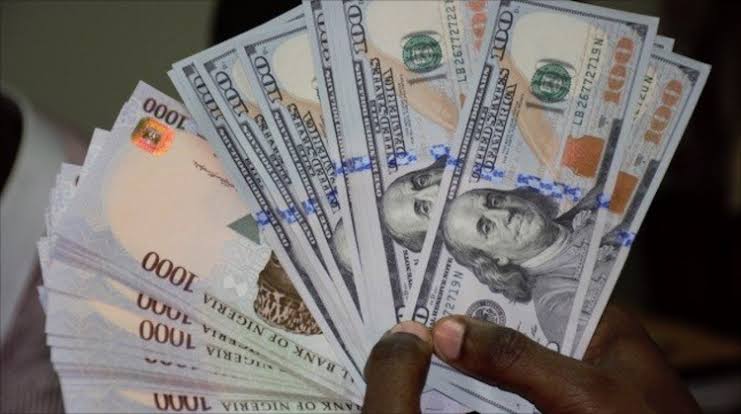
The Nigerian naira traded around ₦1,426.67 to the United States dollar at the mid-week opening of the foreign exchange market, maintaining a largely stable but pressured position.
Market data shows the local currency is still dealing with volatility that has shaped trading since the start of 2026.
Figures from the Nigerian Foreign Exchange Market (NFEM) and reports from parallel market operators suggest cautious trading, as demand for foreign currency continues to outweigh supply in some segments.
Performance at the official market
At the official trading window, the Nigerian Foreign Exchange Market, the naira opened slightly weaker against the dollar. Early trading placed the exchange rate at about ₦1,426.67 to one dollar.
This represents a marginal decline from the previous session’s closing rate of around ₦1,424.50 recorded on January 13.

Analysts say the movement reflects sustained demand for dollars, especially for imports and external debt obligations.
Market watchers expect the official rate to close within the ₦1,420 to ₦1,430 range, depending on the level of Central Bank of Nigeria (CBN) intervention and trading volumes later in the day.
Parallel market activity
In the parallel market, also known as the black market, the naira traded at weaker levels. Information from Bureau De Change operators in Lagos, Abuja, and Kano shows the dollar being bought at about ₦1,465 and sold for as much as ₦1,475.
Although the gap between the official and parallel markets has narrowed compared to previous periods, the difference of roughly ₦50 continues to encourage speculative trading by individuals and small businesses seeking quick access to foreign exchange.
Factors shaping market sentiment
Several factors are influencing the current direction of the naira. Nigeria’s foreign reserves are reported to be relatively stable, giving the CBN some capacity to support the currency when needed.
Inflation remains another key concern, as rising prices increase the cost of imported goods and put pressure on demand for foreign currency.
Meanwhile, trading activity at the NFEM has picked up slightly as companies prepare to settle import transactions for the first quarter of the year.
The CBN has again advised Nigerians to conduct foreign exchange transactions through official banking channels, stressing that this helps improve transparency and supports long-term currency stability.