Naira to Dollar official/black market rates today, Tuesday, January 27, 2026
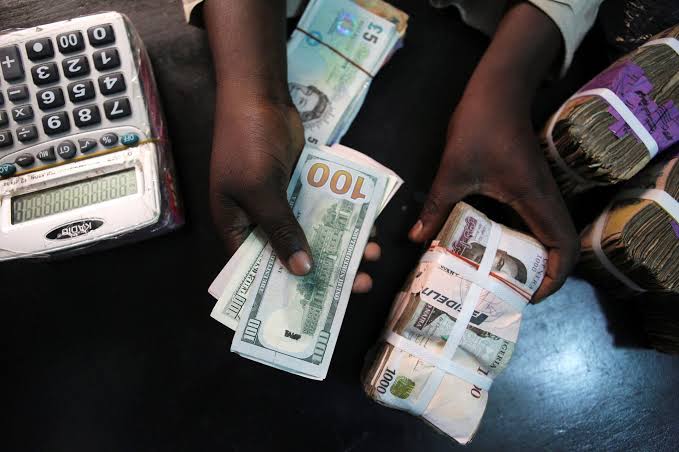
The Nigerian Naira maintained a stable stance against the United States Dollar during early trading on Tuesday, January 27, 2026, opening at ₦1,412 per $1.
Following a week of consistent performance, the local currency continues to benefit from a transparent price discovery mechanism in the official window and a relatively calm informal market.
Official Market Trends
In the Nigerian Foreign Exchange Market (NFEM), the Naira showed a slight gain in the early hours, moving from Monday’s closing rate of ₦1,413.41 to the current level of ₦1,412. This represents a marginal appreciation of 0.10 percent.
During intraday trading, the dollar fluctuated within a narrow band, reaching a high of ₦1,419.68 before settling closer to ₦1,412.50.
Analysts attribute this stability to the Central Bank of Nigeria’s (CBN) continued efforts to boost liquidity and manage corporate demand, measures that have successfully tempered the extreme volatility seen in previous weeks.

Parallel Market Performance
The parallel, or “black market,” also recorded steady performance, with exchange rates holding firm across major commercial hubs.
In Lagos, Abuja, and Kano, Bureau De Change operators are quoting the dollar between ₦1,475 and ₦1,485.
While the gap between the official NFEM rate and the parallel market persists, the premium is significantly lower than the peaks observed in late 2025.
Market participants noted that retail demand for foreign currency, driven mainly by individual travel and small-scale imports, is currently being met without applying excessive pressure on the informal rate.
Summary of Closing Rates
NFEM (Official) Opening: ₦1,413.12
NFEM (Official) Current: ₦1,412.00
Parallel Market Range: ₦1,475 – ₦1,485
The narrowing gap between official and parallel rates signals positive momentum for the Nigerian economy as it approaches the end of January.
Investors continue to monitor the Naira’s performance closely, viewing this stability as a testament to the success of ongoing monetary policy reforms aimed at creating a more predictable environment for foreign direct investment.