Naira to Dollar official & black market rates today, Tuesday, February 17, 2026
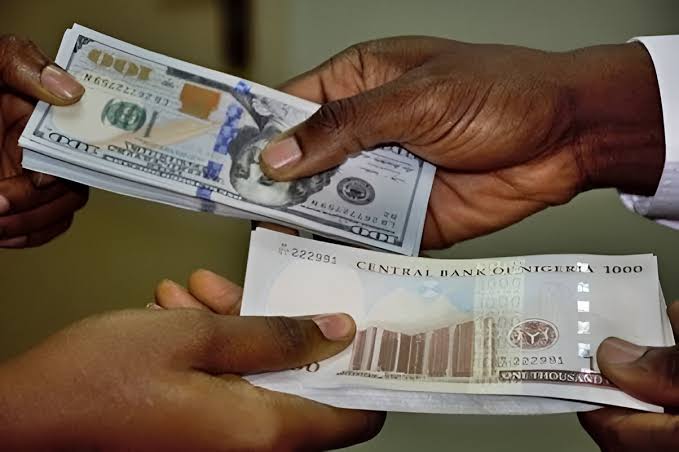
The Nigerian Naira traded around 1,351 to 1,355 per dollar in early dealings on Tuesday, February 17, 2026, holding firm against the United States Dollar as the week began.
After a calm weekend in the foreign exchange market, the local currency continued to trade within the 1,350 range at the official window.
Analysts say this reflects the sustained liquidity management efforts of the Central Bank of Nigeria (CBN).
Official Market Shows Mild Movement
At the Nigerian Foreign Exchange Market (NFEM), the Naira opened trading at 1,351.18 per dollar.
By mid-morning, the rate adjusted slightly, with the dollar exchanging at an average of 1,354.86.


The shift marks a small pullback from its earlier strength, as businesses resumed weekly transactions and demand for foreign exchange increased.
Market analysts noted that the Naira has avoided the sharp mid-month swings often seen in previous months.
They attributed this relative calm to the transparent price-matching system under the Electronic Foreign Exchange Matching System (EFEMS).
With the Monetary Policy Rate (MPR) still positioned to support economic stability, the official exchange rate has remained comfortably below the 1,400 mark for more than two weeks.
Parallel Market Maintains Premium
In the parallel market, the trend remained largely stable, although the dollar continued to trade at a premium compared to the official window.
Across key cities such as Lagos, Abuja, and Kano, Bureau De Change operators quoted the dollar between 1,425 and 1,440.
Traders said demand picked up slightly as the business week began. However, dollar supply appeared sufficient to meet needs for travel, school fees, and small business payments.
The gap between the official and parallel market rates has narrowed in recent weeks. Experts believe this has discouraged speculative buying and reduced pressure on the Naira.
Market Outlook for the Week
As trading continues, investors are watching to see if the Naira can regain its opening rate before the close of business.
The outlook for February remains cautiously optimistic. Nigeria’s external reserves are seen as a key buffer against global currency pressures.
Attention will now shift to closing figures later in the day, which could signal the currency’s direction for the rest of the week.