Naira to Dollar official & black market rates today, Thursday, February 19, 2026
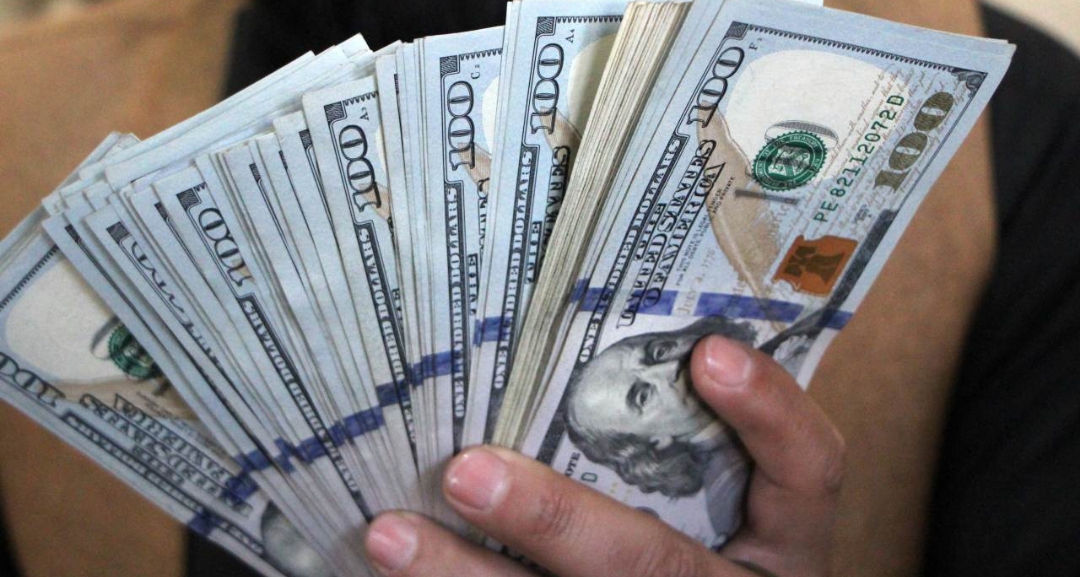
Nigeria’s foreign exchange market opened on Thursday, February 19, 2026, with the Naira recording a slight drop to ₦1,346.40 against the United States Dollar.
Fresh trading data shows mild pressure on the local currency, as demand for foreign exchange continues to shape early market activity.
Official Market Records Slight Dip
At the Nigerian Autonomous Foreign Exchange Market (NAFEM), the Naira opened at ₦1,346.40 per Dollar. This reflects a small decline compared to the previous trading session’s closing rate.
The market initially showed strength around ₦1,340.00 before adjusting to the current range. Analysts say the movement points to steady demand for the Dollar in the official window.
Despite the pressure, supply from institutional players has helped prevent sharp swings.



Financial observers believe the Central Bank is working to keep the rate within the ₦1,340 to ₦1,350 band to support stability in trade and planning.
Parallel Market Holds Premium
In the parallel market, often referred to as the black market, the Dollar continues to trade at a higher rate.
In key cities like Lagos and Abuja, Bureau De Change operators are buying the Dollar at about ₦1,490. Selling rates range between ₦1,505 and ₦1,515.
Rates in this segment have remained relatively steady over the past 24 hours. Traders link the stability to balanced demand for personal travel allowance and overseas school fees.
However, the gap of more than ₦150 between official and parallel rates remains a concern. Economists say this wide spread complicates efforts to achieve full exchange rate unification.
What Is Driving the Market?
Experts point to global oil price movements and domestic liquidity tightening as key factors. Oil earnings remain crucial to Nigeria’s foreign exchange supply.
While the official market appears resilient, the parallel segment reacts quickly to speculation and urgent retail demand. Small businesses often rely on this window due to bank processing delays.
As trading continues, analysts expect the official rate to remain largely stable unless new policy measures or reserve updates emerge.
For investors, importers, and manufacturers, attention now shifts to the week’s closing figures, which could signal the short-term direction of the Naira.