Naira to Dollar official/black market rates today, Monday, January 19, 2026
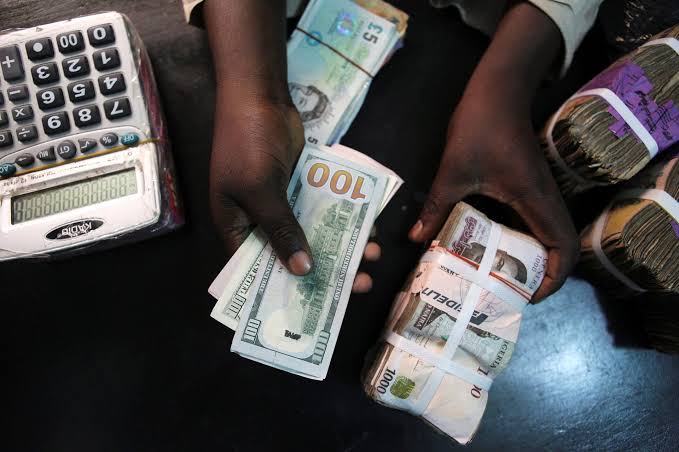
The Nigerian Naira started the week on a stable note, maintaining a value of ₦1,420.59 per US dollar in early trading on Monday, January 19, 2026.
This stability follows weeks of consolidation in the foreign exchange market, supported by improved external reserves and recent measures by the Central Bank of Nigeria (CBN) to manage liquidity.
Official Market Rates Show Slight Appreciation
At the Nigerian Foreign Exchange Market (NFEM), the Naira opened with an average rate of ₦1,420.59 per dollar, marking a slight appreciation from last week’s closing rate of around ₦1,422.
Trading data from the early morning session indicated that the currency reached a high of ₦1,422.59 before settling lower, reflecting a 0.14% improvement in value during the first hours of trade.
Financial analysts attribute this calm in the official market to the CBN’s continued interventions, aimed at maintaining liquidity and boosting investor confidence.


With Nigeria’s external reserves projected to exceed $50 billion later this year, market observers say optimism around the Naira remains higher than in previous quarters.
Parallel Market Remains Stable but at a Premium
The parallel, or black market, mirrored the official market’s stability, although rates continue to trade at a slight premium.
Bureau De Change operators in Lagos and Abuja reported buying rates ranging from ₦1,465 to ₦1,470 per dollar, while selling rates were between ₦1,472 and ₦1,475.
Experts note that the volatility that characterised the market in 2024 and 2025 has significantly eased. The narrowing gap between the official and parallel markets is widely linked to unified exchange rate reforms and rising diaspora remittances.
Optimism Surrounding Economic Outlook
Government officials and economists remain cautiously optimistic about the Naira’s performance for the rest of 2026.
Finance Minister Wale Edun described the current period as a “consolidation phase,” highlighting that inflation is expected to average around 16.5% this year—a marked improvement from the peaks recorded two years ago.
The CBN’s Economic Policy Directorate also projects further stabilisation of the currency, supported by higher oil revenues and ongoing structural reforms.