Naira to Dollar exchange rate today, Tuesday, July 21, 2026
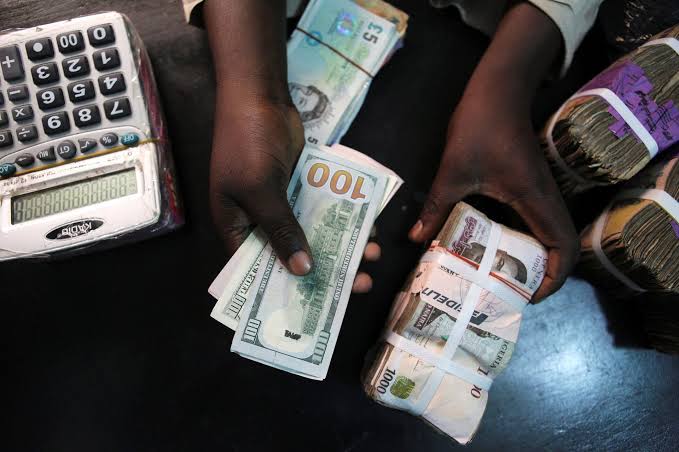
The Nigerian naira traded around ₦1,380 per United States dollar at the official Nigerian Foreign Exchange Market (NFEM) on Tuesday, July 21, 2026, while the dollar sold for ₦1,425 in the parallel market.
The local currency remained largely stable across both markets as traders monitored foreign exchange liquidity and awaited the outcome of the Central Bank of Nigeria’s Monetary Policy Committee (MPC) meeting.
Stay updated: Set GistReel as a favorite source on Google to catch our stories first.
Market participants also watched for signals on interest rates and the CBN’s next policy direction.
Official and black market exchange rates
Data released by the Central Bank of Nigeria (CBN) showed that the official NFEM exchange rate remained around ₦1,380 per dollar.
The latest available trading data placed the volume-weighted average exchange rate at ₦1,380.18/$1.
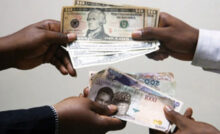
In the parallel market, commonly known as the black market, the exchange rates were:
Buying rate: ₦1,410 per US dollar
Selling rate: ₦1,425 per US dollar
Exchange rates may differ slightly across cities, dealers and transaction sizes.
Official and parallel market gap remains narrow
The difference between the official and black market rates has remained relatively small compared with previous years.
Analysts say improved foreign exchange liquidity has helped reduce pressure on the official market.
They also attribute the trend to ongoing reforms introduced by the CBN to improve transparency and increase dollar supply.
Despite the improvement, demand for foreign currency remains strong. Importers, manufacturers, travellers and other businesses continue to seek dollars to meet their obligations.
This demand still influences prices in the parallel market.
Investors await CBN policy decision
Attention is now focused on the Monetary Policy Committee meeting of the Central Bank of Nigeria.
Financial analysts expect the committee to maintain a cautious approach as it balances exchange rate stability with efforts to reduce inflation.
The outcome of the meeting could influence investor confidence, capital inflows and the direction of the foreign exchange market in the coming weeks.
Many market participants believe the naira’s performance will continue to depend on adequate dollar supply, foreign investment inflows and the effectiveness of the CBN’s monetary and exchange rate policies.