Naira to Dollar exchange rate today, Thursday, October 15, 2026
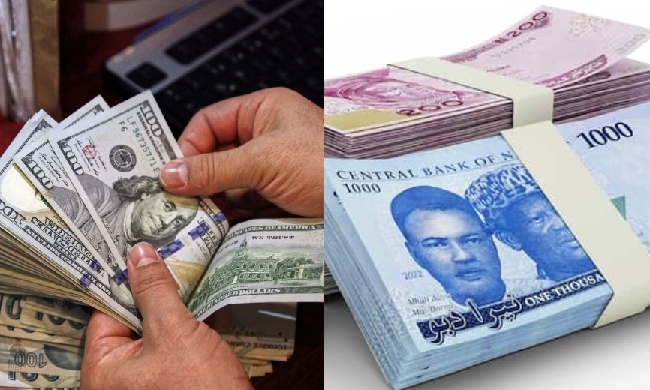
The Nigerian naira remained relatively stable against the US dollar on Thursday, October 15, 2026, trading around ₦1,330 to ₦1,333 at the official foreign exchange market, while rates in the parallel market ranged between ₦1,355 and ₦1,390.
The currency’s performance comes amid changing foreign exchange trading volumes and investor caution ahead of the release of Nigeria’s September inflation report by the National Bureau of Statistics (NBS).
Stay updated: Set GistReel as a favorite source on Google to catch our stories first.
Official market records marginal movement
At the Nigerian Foreign Exchange Market (NFEM), the naira traded within a narrow range, with intraday tracking data indicating a rate of about ₦1,330.13 at one point during the day.
The performance represents relative stability compared with earlier in the week, when the currency reportedly weakened to around ₦1,335.50 per dollar.
Improved foreign exchange turnover and stronger external reserves have also been identified as factors supporting stability in the official market, although exchange rates remain subject to changes in dollar supply and demand.




Parallel market rates remain higher
In the parallel market, Bureau De Change operators and street currency dealers quoted buying rates between ₦1,355 and ₦1,365 per dollar.
Selling rates ranged from ₦1,375 to ₦1,390, depending on the location, dealer and transaction size.
The difference between the official and parallel market rates remained relatively limited, suggesting that the gap between the two markets had not widened significantly.
However, the quoted rates may vary across locations and individual currency dealers.
Inflation report in focus
Market participants are also monitoring economic indicators ahead of the release of the September Consumer Price Index report by the NBS.
The inflation figures could influence market sentiment and expectations about the country’s economic outlook.
For now, the naira’s relatively narrow trading range suggests that the currency has maintained some stability across both markets, although future movements will depend on foreign exchange liquidity, dollar demand and broader economic developments.