Naira to Dollar exchange rate today, Thursday, April 9, 2026

The Nigerian Naira traded with cautious stability against the United States Dollar in early deals on Thursday, April 9, 2026, holding around ₦1,379.50/$ at the official market as traders weighed supply and demand pressures toward the week’s close.
Official Market Holds Steady
Figures from the Nigerian Foreign Exchange Market (NFEM) indicate that the local currency recorded a mild gain at the start of trading.
It hovered near ₦1,379.50 per Dollar, improving slightly from an early low of ₦1,378.98.
The movement reflects a gradual consolidation trend within the official window.
Market watchers link this stability to ongoing regulatory oversight and a modest improvement in foreign exchange inflows.

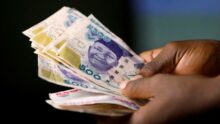

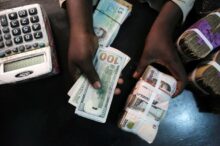
Activity levels were fairly balanced during the morning session. The Naira briefly touched an intraday high of ₦1,380.00 before settling back. Analysts say steady dollar supply to banks has helped keep volatility in check.
Parallel Market Shows Mild Pressure
Across the parallel market, the Naira faced slightly stronger demand pressures.
09 Reports from Bureau De Change operators in major cities such as Lagos, Kano, and Port Harcourt placed the exchange rate between ₦1,415 and ₦1,430 per Dollar.
The higher rate in this segment continues to be driven by retail buyers and small businesses. Many rely on informal channels to meet urgent foreign currency needs.
Despite this gap, the difference between official and street rates remains relatively stable. This has offered some predictability for businesses managing short-term financial plans.
Outlook for the Day
Attention is now focused on how the currency will close trading later today. Analysts are watching whether the Naira can maintain support around the ₦1,379 level in the official market.
Overall, the current trend points to a market still adjusting to shifting liquidity conditions. While the official segment shows signs of resilience, persistent demand in the parallel market underlines ongoing pressure on the currency.
For individuals and businesses involved in foreign transactions, keeping track of intraday movements remains crucial as the trading session winds down.