Naira/Dollar rates today, October 28, as naira gains slightly against dollar
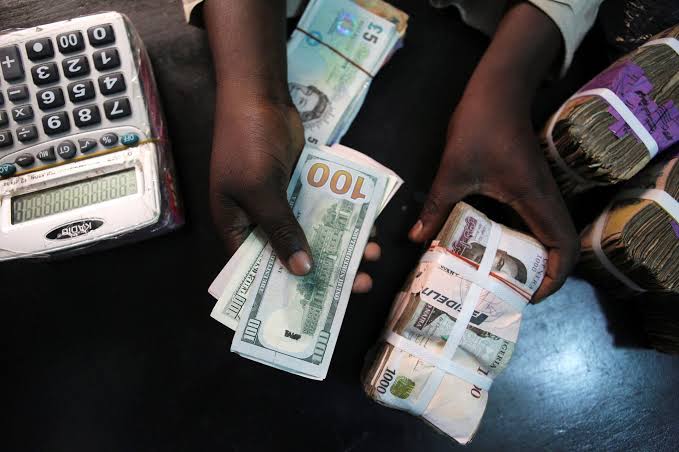
The Nigerian currency, the Naira, showed slight improvement against the US Dollar on Tuesday, October 28, 2025, according to official market data.
The Nigerian Foreign Exchange Market (NFEM) reflected a stronger performance for the Naira, while the parallel (black) market maintained a steady range.
Analysts attribute this development to continued interventions and reforms by the Central Bank of Nigeria (CBN).
Naira Records Marginal Gain at the Official Window
As of the latest trading session, the official NFEM rate stood at approximately ₦1,457.06 per US Dollar. This represents a mild appreciation compared to earlier figures, which fluctuated between ₦1,457 and ₦1,458.
Currency traders noted that the official window remains vital for regulated transactions such as imports, exports, and corporate forex demands.




The improved rate signals growing confidence among market participants following the CBN’s recent policy adjustments.
Parallel Market Remains Stable
In the parallel or black market, exchange rates remained relatively unchanged.
Buying Rate: ₦1,450 to ₦1,460 per $1
Selling Rate: ₦1,470 to ₦1,480 per $1
The narrow gap between official and black market rates suggests that the CBN’s efforts to close the long-standing disparity between both markets are beginning to yield results.
Economic Implications for Nigerians
Experts view the current convergence of rates as a positive step toward exchange rate stability. It signals increased liquidity in the official market and reduces opportunities for speculative trading.
For importers, a steadier forex rate supports better pricing and planning for goods. Exporters may, however, experience lower Naira returns from foreign earnings as the currency strengthens.
Travellers and students seeking foreign exchange are also expected to benefit from the narrowing rate difference.
The Naira’s resilience this week underscores cautious optimism within Nigeria’s financial landscape.
Economists, however, warn that sustained stability will depend on consistent policy execution, improved export earnings, and the management of forex demand pressures.