Moon Sighting Eid 2026 in Nigeria

While many countries prepare to sight the moon and announce the first day of Eid Al Fitr on Wednesday (March 18, 2026), others will do so a day later, on March 19. In many nations, the 29th of Ramadan falls tomorrow, thus Eid will fall on Friday or Saturday, according to the Astronomy Centre. The major question here is when is moon sighting Eid 2026 in Nigeria?
Among these countries is:
- Turkey
- Indonesia
- Malaysia
- Brunei
- Singapore
- Saudi Arabia
- India
- Bangladesh
- Pakistan
- Iran
- parts of Iraq
- Oman
- Jordan
- Syria
- Egypt
- Libya
- Tunisia
- Algeria
- Morocco
- Mauritania.
Meanwhile, several countries, notably Turkey and Singapore, have already designated the first day of Eid based on astrological calculations rather than waiting to see the Shawwal crescent.
Moon-sighting experts have warned that crescent vision will remain impossible in eastern countries and difficult in central regions, emphasising the ongoing relevance of both traditional observation and astronomical calculations in defining the start of the holiday.
Moon Sighting Eid 2026 in Nigeria
Eid al-Fitr 2026: As the glorious month of Ramadan concludes, Muslims across Nigeria prepare to celebrate Eid al-Fitr,



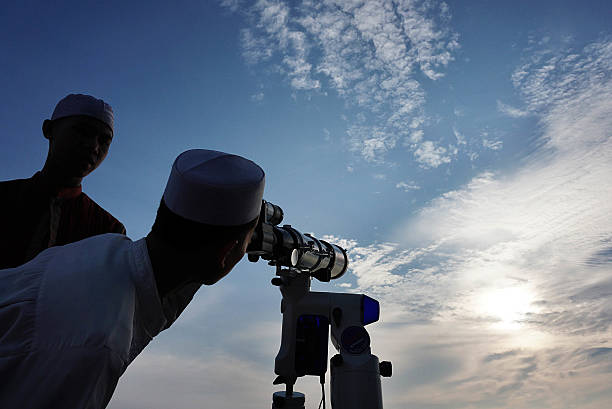
often known locally as “Small Sallah.” This joyful celebration celebrates the end of a month of fasting, prayer, and thought, and is celebrated with communal prayers, eating, and charity.
The exact day of this festival is historically determined by the appearance of a new crescent moon, which marks the beginning of the Islamic month of Shawwal. In Nigeria, this announcement is made with tremendous authority and excitement.
Eid al-Fitr is projected to be celebrated in Nigeria on Friday, March 20, 2026, at the end of the holy month of Ramadan. The Nigerian Federal Government has already declared Thursday, March 19, and Friday, March 20, 2026, as public holidays to commemorate the celebration.
This permits the country’s sizable Muslim community to freely engage in daily religious and cultural events. The celebrations will include special morning prayers, visits with family and friends, and charitable giving (Zakat al-Fitr).
The sighting of the Shawwal crescent moon marks the official start of Eid. Chaand Raat, the night of the moon sighting, will occur on Thursday, March 19, 2026, which corresponds to the 29th day of Ramadan.
This evening, moon sighting committees across the country, led by the Sultan of Sokoto, will peer to the horizon after sunset to confirm the presence of the new moon. If the crescent is visible, Eid al-Fitr will be observed on Friday, March 20. If it is not sighted, Ramadan will end after 30 days, with Eid falling on Saturday, March 21, 2026.
Moon Sighting Time in Nigeria (Chaand Raat)
The hunt for the crescent moon is traditionally done soon after the Maghrib (evening) prayer. On Thursday, March 19, 2026, Muslims across Nigeria are required to search for the moon just after sunset, which occurs between 6:30 PM and 6:50 PM local time, depending on their location.
During this vital window, Islamic scholars and local moon sighting committees will monitor the sky to collect reports and confirm the start of Shawwal.
When Will Crescent Moon Be Seen in Nigeria?
The crescent moon heralding the commencement of Shawwal is expected to be sighted on Thursday evening, March 19, 2026. Astronomical forecasts indicate that, while the moon may be “born” (the new moon occurs) earlier, it will be most visible to the naked eye on this specific evening, assuming clear weather conditions.
Visibility, like any other sighting, is determined by atmospheric conditions. Clear skies in the northern and southern regions will help to confirm the sighting, while cloudy circumstances may delay confirmation in other spots. However, the official national statement is based on verified positive sightings from reliable witnesses throughout the country.
Eid Al-Fitr 2026: Chaand Visibility Details in Nigeria
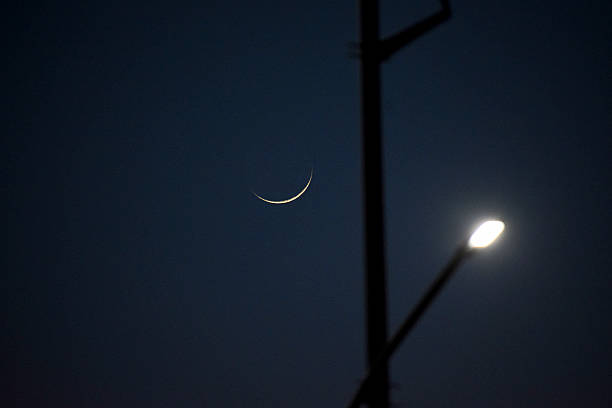
The visibility of the crescent moon in Nigeria varies slightly by region. Northern states, with their typically drier temperature and lower humidity, may offer an advantage for clear horizon viewing over some coastal southern places.
The final and most important aspect of visibility is the official confirmation process. The Sultan of Sokoto, as President-General of the Nigerian Supreme Council for Islamic Affairs (NSCIA), would issue the ultimate declaration for the entire country based on confirmed sighting reports from various moon sighting committees in Nigeria’s states. This centralised statement promotes unity at the start of the Eid celebrations.
Eid Al-Fitr 2026: Prayer Timings in Nigeria
Salat al-Eid, or special congregational prayers, take place in huge open spaces known as Eid grounds or at big central mosques. The prayers are usually held in the morning, just after daybreak.
- General Timing: Prayers in Nigeria usually begin between 8:30 AM and 9:30 AM local time.
- Abuja: Prayers in the National Mosque Abuja and the central Eid grounds typically begin at 9:00 a.m.
- Lagos: Major grounds, such as the Dodan Barracks or other local community Eid prayer grounds, normally hold services between 8:30 and 9:00 a.m.
- Kano: The prayer at the Kano Central Mosque is a notable event, frequently attended by the Emir, and begins at 8:30 a.m.
Eid Al-Fitr 2026 Namaz Timings in Nigeria Mosques
Eid prayers occur in large numbers shortly after daybreak. Mosques and prayer areas in major cities frequently stagger their start times (for example, 9:00 AM and 9:30 AM) to accommodate large crowds.
Arrive early for the prayer and sermon that will follow. Before the day begins, families donate Zakat al-Fitr (charity) so that everyone can rejoice. People dress up in their best traditional attire, such as Baban Riga or Agbada, and spend the day visiting loved ones while eating feasts like Jollof rice or Tuwo.