JUST IN: Jehovah’s Witnesses relax blood transfusion rules after 75 years
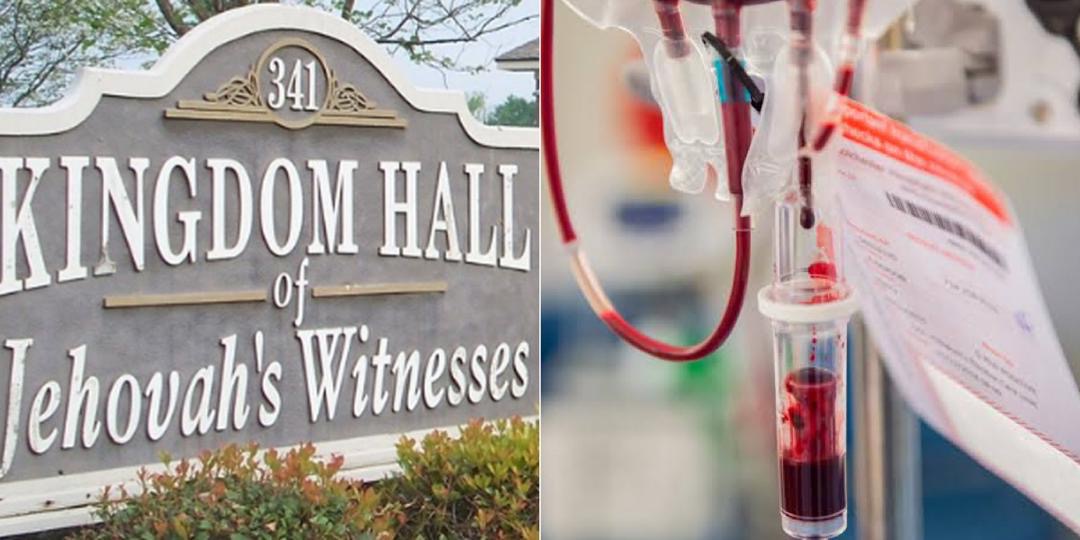
The religious organisation Jehovah’s Witnesses have announced an update to their long-standing position on blood transfusions, stating that individuals may now choose whether their own blood can be used during surgeries or other procedures.
The update preserves the group’s longstanding prohibition on receiving blood from another person but introduces personal discretion in cases involving one’s own blood, allowing members to make informed choices about their medical care.
Clarification Shared by Governing Body
In a video statement released on their official website, Governing Body member Gerrit Lösch explained the rationale behind the change.
He said; “Regarding the use of one’s own blood…a Christian must decide for himself how his own blood will be handled in the course of a surgical procedure, medical test, or current therapy.”
Lösch emphasised that while members must continue to abstain from another person’s blood as a doctrinal principle, the Bible does not address the medical use of one’s own blood.




“The Bible does not comment on the use of a person’s own blood in medical and surgical care,” he stated.
Members Can Decide on Storage and Return
The clarification allows individuals to determine whether their blood can be removed, stored, and returned during medical treatments.
Lösch added, “Therefore, after much prayer and consideration of the Scriptures, the Governing Body has decided to clarify our position on the use of a patient’s own blood in medical and surgical care. Some Christians may decide that they would allow their blood to be stored and then be given back to them. Others may object. Each Christian must make his personal decision on all matters involving the use of his own blood with regard to medical or surgical care.”
Medical Practices Already Accepted
Many members already participate in medical procedures that involve their own blood, including blood tests, dialysis, heart-lung machines, and cell salvage during surgery.
The clarification formally recognises such practices while respecting individual choice.
AuntieEsther’s case
The update has drawn particular attention in Nigeria following the death of cancer patient and social media personality Mensah Omolola, widely known as AuntieEsther, who publicly rejected a blood transfusion due to her faith.
She opted for alternative treatments supported by public donations, sparking national debate on the intersection of religious conviction and medical advice.
Historical Context and Ongoing Principles
Avoiding blood transfusions has long been a core teaching of Jehovah’s Witnesses, rooted in biblical instructions that associate blood with life.