“It’s not wise to play with fire” — Oby Ezekwesili blasts Akpabio, Senate over election results transmission
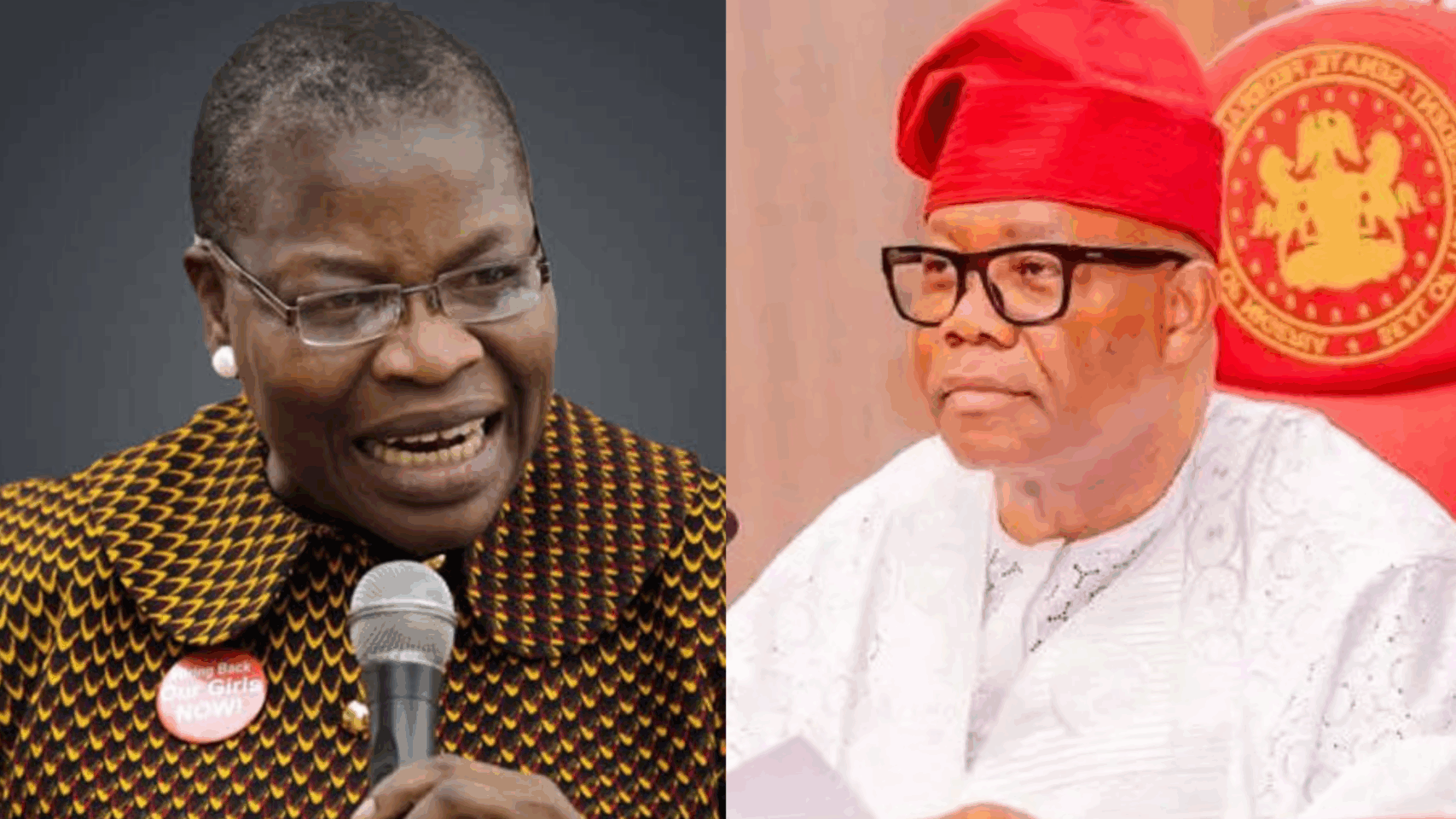
Former Minister of Education and activist, Oby Ezekwesili, has strongly criticised the Nigerian Senate over a controversial provision on electoral result transmission recently passed by lawmakers.
Reacting via her official X (formerly Twitter) account, Ezekwesili described the clause as deeply flawed and disrespectful to Nigerians’ intelligence.
She accused the Senate of attempting to undermine the will of the people through legislative loopholes.
“That cock-eyed provision on Electoral Transmission that the @NGRSenate just passed is an insult on the collective intelligence of Nigerians,” she wrote.
Ezekwesili stressed that in any true democracy, elected officials must remain accountable to voters and cannot override their collective will.




“In a functioning democracy, the Elected can NEVER be greater than the Collective Will of those who elected them. Never,” she stated.
She went further to allege that the provision could be deliberately used to manipulate future elections, particularly the 2027 general polls.
“The Senate President and his collaborators are brazenly giving Nigerians a heads-up that our votes will not count because that vexing clause they passed is their loophole to RIG the 2027 elections,” Ezekwesili warned.
The former World Bank vice president also questioned whether the current leadership of the Senate, under Senate President Godswill Akpabio, understands the growing frustration among citizens.
“The REAL-TIME question is whether the Akpabio-led Senate is ready for the Nigerians who have run out of patience with their shenanigans,” she said.
According to her, responsibility now lies squarely with lawmakers to prevent political unrest and rebuild public trust.
“The answer is in the hands of the Senators. It is not wise to play with fire. Transparency is always better,” Ezekwesili concluded.
Her comments have since sparked widespread debate online, with many Nigerians echoing concerns about electoral integrity and the credibility of future elections.