“If Nigeria was working, I wouldn’t control diesel market” — Femi Otedola
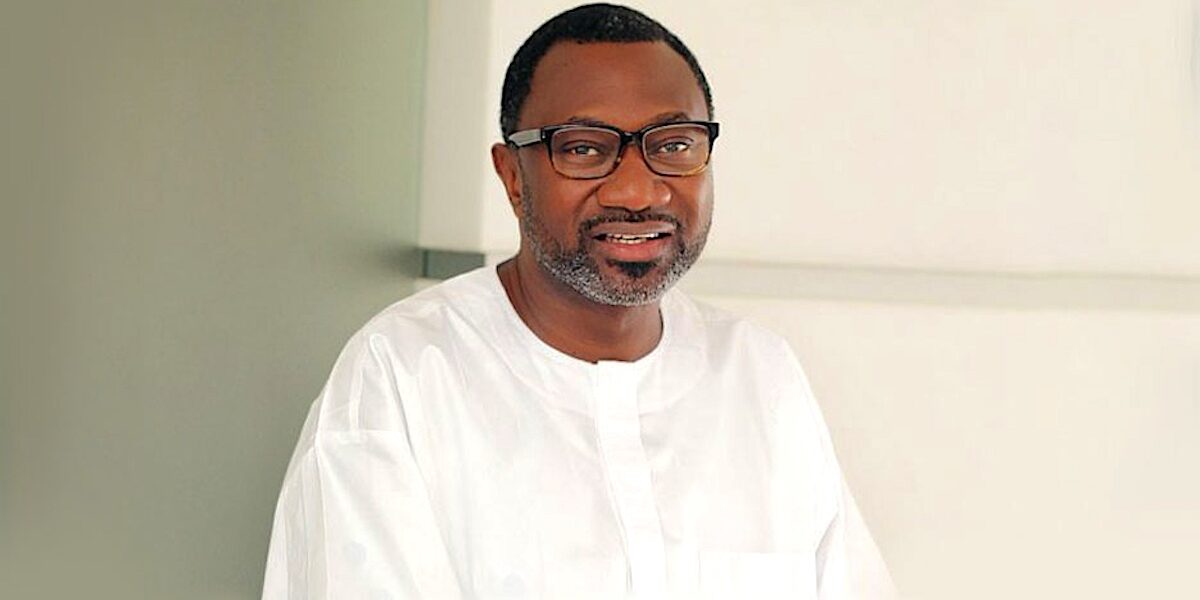
Billionaire businessman Femi Otedola has said his control of Nigeria’s diesel market was not driven by a grand ambition but by “necessity” and the urgent need to respond to the country’s chronic infrastructure and energy failures.
In his upcoming memoir, Making It Big, Otedola recounts how widespread power outages, fuel scarcity, and a broken supply chain in an oil-rich nation created an urgent need he decided to fill.
“If Nigeria had been working well, I would have no business controlling the diesel market. There was no good reason for diesel to be scarce in an oil-producing country. But scarce it was. I simply saw a gap and capitalised on the inefficiency in the system,” he states.
He recounts how the 1993 military coup led by General Sani Abacha and the collapse of finance houses pushed him to seek a business entirely his own.
“In a sense, it took the coup for me to start thinking of a line of business that would be entirely my own, not connected to my father or the family in any way,” he says.

Contrary to claims that backdoor deals gave birth to Zenon Petroleum, he described the venture as a “blood, sweat and tears” effort, built through strategic investments and persistence.
In his words: “The collapse of the finance houses provided the opportunity for me to put my brains and talent to use. I was not going to get involved in collecting deposits and promising big returns. Not many know this behind-the-scenes origin story of Zenon, and how we came to dominate the market. Some seem to think we came out of nowhere and were handed a monopoly on a silver platter. In fact, there is a story behind every success… It took blood, sweat and tears for me to build Zenon from the ground up.”
He also advises aspiring African entrepreneurs to be discerning about their networks, warning, “You will encounter people who are waiting like angels to open the door and others intent on slamming it shut in your face.”
Beyond his personal story, the memoir also critiques Nigeria’s systemic dysfunction, from fuel scarcity in an oil-rich nation to chronic power outages, portraying his rise as both a testament to resilience and an indictment of governance failures that create space for private empires to thrive on public sector weaknesses.